
.223 Rem vs .300 BLK for Hog Hunting: What’s More Effective?


Which AR-15 Cartridge Drops Hogs Better at Night?
Feral hogs are tearing through farmland across the South and Midwest at an alarming rate. With populations exploding in over 35 states, hunters are turning to night operations on AR-15 platforms to make a real dent. But the cartridge debate keeps coming up around every campfire and online forum – 223 Rem or 300 BLK? The answer depends on how you hunt, what distances you shoot, and whether you run a suppressor under night vision.
This is not a general caliber showdown. This article focuses on one specific scenario – dropping hogs efficiently at night from an AR-15 platform. We will break down terminal performance, suppressor compatibility, shot placement demands, and the common mistakes that leave wounded hogs running into the brush after dark.

223 Rem vs 300 BLK – Key Differences
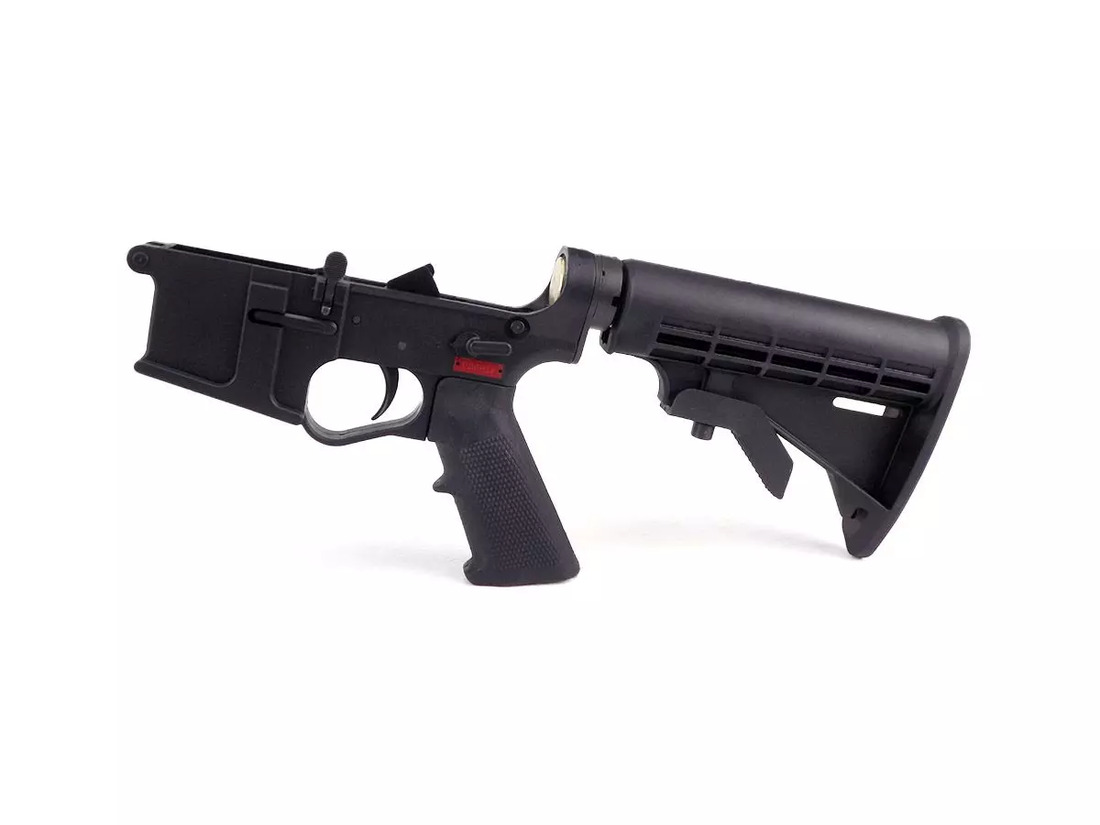
These two cartridges share the same AR-15 lower receiver, the same magazines (in the case of 300 BLK), and often the same bolt carrier group. That is where the similarities end. 223 Rem pushes lightweight bullets fast – typically 55 to 77 grains at velocities between 2,800 and 3,200 fps. 300 BLK takes a completely different approach, launching heavy projectiles (110 to 220 grains) at moderate to subsonic speeds, optimized for short barrels and suppressed shooting.
The practical difference on hogs comes down to energy transfer and bullet construction. A 223 Rem round relies on velocity to fragment or expand, which means shot placement is critical and range limitations are real. 300 BLK – especially with 110 to 125 grain supersonic loads – delivers significantly more energy at close range and maintains terminal effectiveness even from barrels as short as 9 inches. Here is a quick comparison:
| Factor | 223 Rem | 300 BLK |
|---|---|---|
| Typical bullet weight | 55-77 gr | 110-220 gr |
| Muzzle velocity (16″ barrel) | 3,000-3,200 fps | 2,200 fps (super) / 1,050 fps (sub) |
| Muzzle energy | ~1,250 ft-lbs | ~1,350 ft-lbs (super) / ~480 ft-lbs (sub) |
| Effective hog range | 150 yds max | 200 yds (super) / 75 yds (sub) |
| Suppressor performance | Good | Excellent (subsonic is hearing-safe) |
| Barrel swap on same lower | Yes | Yes – just swap upper |
Why 300 BLK Drops Hogs Harder at Night
Night hunting changes the equation in ways that favor 300 BLK heavily. When you are sitting over a feeder at 50 to 100 yards with a thermal or NVG setup, you do not need a flat-shooting cartridge. You need something that hits hard, cycles reliably suppressed, and does not blow out your night vision with a massive flash signature. 300 BLK supersonic loads in the 110 to 125 grain range deliver devastating wound channels on hogs at these typical night-hunting distances.
The subsonic option adds another layer. A 220 grain 300 BLK subsonic round through a quality suppressor is genuinely hearing-safe and produces minimal flash. This matters when a sounder of 15 hogs rolls into a field and you want to take multiple animals before the group scatters. With 223 Rem, the first shot often sends the entire group running. With subsonic 300 BLK, you can sometimes drop two or three before the rest figure out what is happening. For close-range ambush hunting at night, nothing in the AR-15 platform matches this combination.
Shot Placement Rules for 223 on Hogs
That said, 223 Rem absolutely can kill hogs – but it demands discipline. Feral hogs have a thick shield of cartilage and dense tissue over their shoulders, and a 55 grain FMJ is not getting through it reliably. If you hunt with 223 Rem, you need to use premium expanding or bonded bullets in the 62 to 77 grain range and place your shots behind the ear or tight behind the shoulder into the vitals. Broadside heart-lung shots with quality ammo work. Frontal shoulder shots often do not.
At night, shot placement becomes harder. Thermal scopes and NVGs do not offer the same resolution as a daylight optic, and hogs move unpredictably around feeders. This is where 223 Rem shows its weakness – marginal hits that would anchor a hog with 300 BLK result in a wounded animal disappearing into thick brush. If you are committed to 223 Rem for hogs, keep your shots inside 100 yards at night, use 64 grain or heavier soft points, and pass on any shot you are not completely confident about. Ethical kills matter more than round count.
Quick Checklist – Running 223 Rem on Hogs at Night
- Use bonded or controlled-expansion bullets, 62 grains or heavier
- Zero your optic for 50 or 75 yards for typical feeder distances
- Aim behind the ear or tight behind the shoulder – never frontal
- Keep shots inside 100 yards under night vision
- Carry a follow-up light source for tracking if needed
- Avoid FMJ and varmint bullets – they lack penetration on hog shields
- Confirm your suppressor does not shift point of impact with chosen ammo
- Practice with your night optic at the range before the hunt
Suppressed Night Setups – What Works Best
A suppressor is not just a courtesy to your ears – it is a tactical tool for night hog hunting. Flash suppression alone is worth the investment when shooting under night vision, because even a modest muzzle flash can wash out image intensifier tubes and leave you blind for a critical second. 300 BLK was literally designed around suppressor use, and subsonic loads through a good can produce sound levels around 130 dB – below the threshold for hearing damage without ear protection.
223 Rem suppresses reasonably well but remains supersonic, so you still get the bullet’s sonic crack downrange. It is noticeably louder than subsonic 300 BLK, and the flash signature is larger. If you are shopping for a suppressor setup, look for a can rated for both calibers so you can swap between uppers. A 7.62 or 30-caliber suppressor handles both 223 Rem and 300 BLK without issue. If you already own a 556 can, it will only work with your 223 upper. For dedicated night hunting rigs, a short-barreled 300 BLK upper (8 to 10 inches) with a direct-thread suppressor is the gold standard – compact, quiet, and devastating inside 100 yards.
What to Look for in a Night Hunting Suppressor
- Full-auto rated or high round count rating for sustained use on sounders
- Minimal first-round flash signature
- Compatible mounting system with your muzzle device
- Weight under 20 ounces to keep the rifle balanced under NODs
Common Mistakes Picking a Hog Cartridge
Choosing the wrong cartridge – or the right cartridge with the wrong setup – leads to wounded hogs and frustrating nights. Here are the most common errors:

- Using cheap FMJ 223 Rem and expecting clean kills – Military surplus and range ammo is not hunting ammo. It pencils through without expanding and leaves minimal wound channels on tough-skinned hogs.
- Running subsonic 300 BLK without confirming cycling – Not every AR gas system reliably cycles 220 grain subs. Test your specific upper, buffer weight, and suppressor combination before the hunt.
- Overestimating subsonic 300 BLK energy – At roughly 480 ft-lbs of muzzle energy, subsonic 300 BLK is marginal on large boars past 50 yards. It works inside its lane, but it is not a 308.
- Ignoring point-of-impact shift with a suppressor – Adding or removing a can changes where your rounds hit. Re-zero with the suppressor mounted and leave it on for the hunt.
- Choosing 223 Rem just because ammo is cheaper – Budget matters, but not if you are wounding animals. If you cannot afford premium 223 hunting ammo, you are better off buying supersonic 300 BLK hunting loads and shooting fewer rounds.
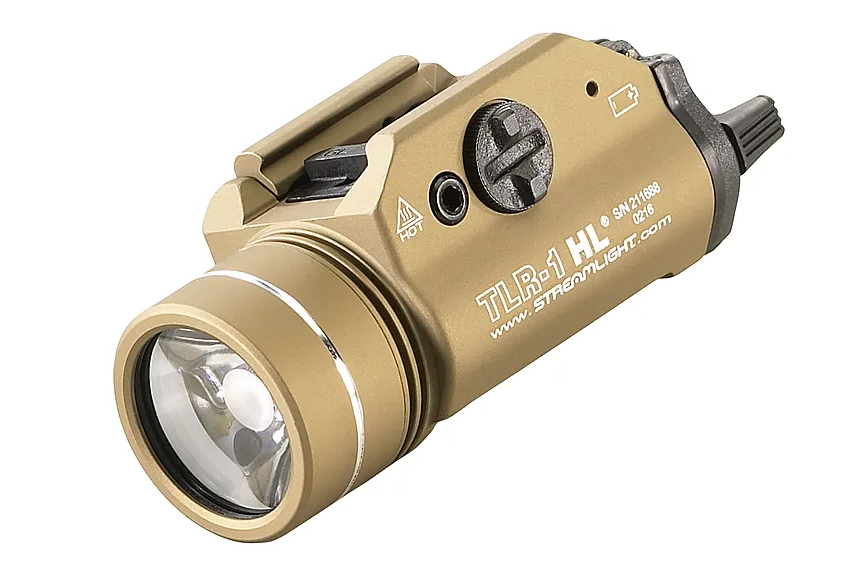
- Skipping a weapon-mounted light or backup illumination – Thermal finds hogs, but you need white light for blood trailing. Carry a handheld or mount a secondary light.
- Not knowing your state’s night hunting regulations – Legal caliber minimums, required lighting equipment, and property permissions vary widely. Check your state wildlife agency before heading out.
FAQ – 223 vs 300 BLK for Hog Hunting
Is 223 Rem enough for hogs?
Yes, but with conditions. You need quality expanding bullets of 62 grains or heavier and precise shot placement behind the shoulder or behind the ear. It is not a forgiving cartridge on hogs – marginal hits often mean lost animals. Inside 100 yards with good ammo, it works. Beyond that, or on large boars, you are pushing its limits.
Should I use supersonic or subsonic 300 BLK for hog hunting?
Supersonic 110 to 125 grain loads are the better all-around choice for terminal performance. They hit hard, expand reliably, and work out to 200 yards. Subsonic 220 grain loads shine specifically in suppressed, close-range ambush scenarios where sound reduction matters most – like feeder hunts where you want multiple shots on a sounder. Many serious hog hunters carry a magazine of each.
What is the best barrel length for 300 BLK hog hunting?
An 8 to 10 inch barrel gets full powder burn from 300 BLK, making it ideal for suppressed SBR or pistol builds. A 16 inch barrel works fine too but adds length without meaningful velocity gains for this cartridge. If you are building a dedicated night rig, shorter is better for maneuverability.

Can I use the same AR-15 lower for both cartridges?
Yes. 300 BLK uses the same bolt, same magazines, and same lower receiver as 223 Rem. You only need a different barrel – which means swapping complete uppers takes about two seconds. This makes it easy to run both calibers on one platform.

How far can I ethically shoot hogs at night?
With 300 BLK supersonic loads, keep shots inside 150 to 200 yards. With subsonic loads, 75 yards is a practical maximum. With 223 Rem, 100 to 150 yards is reasonable with quality ammo. Night optics reduce your ability to read shot angles and confirm clean opportunities, so err on the side of closer.
Quick Takeaways
- 300 BLK is the stronger choice for dedicated night hog hunting – more energy at close range, superior suppressor performance, and better terminal results on tough animals
- 223 Rem works on hogs but demands premium ammo and precise shot placement – it is less forgiving at night
- Supersonic 300 BLK (110-125 gr) is the best all-around hog load; subsonic shines for multi-kill ambush scenarios
- A suppressed short-barrel 300 BLK upper paired with thermal or NVG is the current gold standard for night operations
- Always confirm your rifle cycles reliably with your chosen ammo and suppressor before heading into the field
- Know your state regulations – night hunting laws, caliber restrictions, and equipment requirements vary significantly





Comments are closed.