
5.45×39 vs 5.56 NATO vs 7.62×39: Eastern vs Western Intermediate


Three cartridges. Two continents. One question – which one actually fits what you are trying to do? Whether you are running an AK platform, an AR-15, or an SKS you picked up at a gun show, understanding how these rounds differ in the field matters more than most people realize. This comparison cuts through the noise and looks at each cartridge from a civilian hunting and shooting perspective, not a military one.
How These Three Cartridges Reached Civilian Hands
All three of these cartridges started as military solutions to the same tactical problem – troops needed something lighter than full-power rifle rounds but more effective than pistol calibers at distance. The Soviets developed 7.62×39 in 1944 to feed the SKS and later the AK-47. The US and NATO adopted 5.56 NATO in 1963 for the M16 and eventually the AR-15 platform. The Soviets followed up with 5.45×39 in 1974 for the AK-74, chasing a flatter trajectory and lighter carry weight.

Civilian adoption followed military surplus. The AR-15 became the most popular rifle in America largely because 5.56 NATO and its commercial twin 223 Rem were everywhere and affordable. AK-pattern rifles brought 7.62×39 into American gun safes by the millions. The 5.45×39 came along later with surplus AK-74 imports and cheap Eastern European ammo – it never reached the same mainstream foothold, but it built a loyal following among budget-conscious shooters.
5.45×39 – The Soviet Lightweight Explained
The 5.45×39 fires a 0.221-inch diameter bullet, typically in the 52-60 grain range. Its claim to fame is low recoil and a relatively flat trajectory compared to 7.62×39. The round earned a nasty reputation in Afghanistan – the Soviet 7N6 military load features a hollow air pocket in the nose that causes tumbling and fragmentation on impact, which is effective on human targets but inconsistent on game animals.
For hunters, 5.45×39 sits in an awkward middle ground. It is too light and inconsistent for reliable deer-sized game, and most quality hunting loads in this caliber are hard to find at local stores. Steel-core surplus ammo like 7N6 is also banned at many ranges and restricted for hunting use in most states. If you are running an AK-74 and want to hunt, this caliber requires extra homework on both ammo sourcing and state hunting regulations.
What 5.45×39 is actually good for
- Inexpensive range training on AK-74 pattern rifles
- Varmint shooting where ammo access allows
- Competition and plinking where cost per round matters
5.56 NATO – America’s Go-To Varmint Round
The 5.56 NATO cartridge fires a 0.224-inch diameter bullet, most commonly in the 55-77 grain range. It operates at higher pressure than 223 Rem, so a rifle chambered in 5.56 NATO can safely fire both. The AR-15 platform made this round accessible to almost every shooter in North America, and the ammo supply chain reflects that – you can find 5.56 at nearly every sporting goods store, Walmart, and online retailer in the US and Canada.
For hunting, 5.56 NATO excels at varmints and small game – prairie dogs, groundhogs, coyotes, and foxes are all well within its effective range when using the right expanding bullet. Many states restrict the use of 5.56 for deer due to minimum caliber or energy requirements, so always check local regulations before assuming it qualifies. When loaded with quality hunting projectiles like soft points or bonded bullets, it can handle deer-sized animals at close range, but it is not the ideal choice.
5.56 NATO quick checklist
- Use expanding hunting bullets – not FMJ – for any game animal
- Confirm your state or province minimum caliber rules for deer
- 55 grain FMJ is fine for range work, not for ethical hunting
- Barrel twist matters – faster twist (1:8 or 1:7) stabilizes heavier bullets better
- Ammo is available almost everywhere, making it the easiest to stock
7.62×39 – The 30-Cal AK Deer Hunting Option
The 7.62×39 fires a 0.310-inch diameter bullet, typically in the 123-125 grain range. It generates roughly 1,500 foot-pounds of muzzle energy, which puts it in a similar ballpark to the old 30-30 Winchester – a cartridge that has taken whitetail deer for over a century. That comparison alone tells you a lot about what this round can realistically do on medium-sized game.
For deer hunting out to around 150 yards, 7.62×39 is a legitimate option, especially from an AK-pattern rifle or SKS. The key is using soft point or expanding ammunition rather than the steel-core FMJ surplus loads. Brands like Wolf Gold, Hornady, and Federal make 7.62×39 soft points that perform well on deer-sized game. Recoil is mild, the platform is reliable, and ammo is widely available at reasonable prices.
Ballistics and Effective Range Side by Side
Here is a straightforward comparison using common loads at the muzzle and 200 yards.
| Cartridge | Bullet Weight | Muzzle Velocity | Muzzle Energy | Energy at 200 yds |
|---|---|---|---|---|
| 5.45×39 | 60 gr | 2,950 fps | 1,160 ft-lbs | ~650 ft-lbs |
| 5.56 NATO | 62 gr | 3,100 fps | 1,325 ft-lbs | ~750 ft-lbs |
| 7.62×39 | 123 gr | 2,350 fps | 1,507 ft-lbs | ~950 ft-lbs |
The 5.56 NATO has the flattest trajectory of the three, making it the easiest to shoot accurately at distance. The 7.62×39 drops more but hits harder at close to moderate ranges. The 5.45×39 splits the difference in some ways but lacks the terminal energy and bullet selection of the other two for hunting purposes.
Effective range for hunting:
- 5.45×39 – marginal past 100 yards on anything larger than varmints
- 5.56 NATO – 200 yards on varmints, 100-150 yards on deer with proper loads
- 7.62×39 – 150-200 yards on deer with soft point ammunition
Common Mistakes When Choosing Between These Three
Picking the wrong cartridge for the wrong job is easier than it sounds. Here are the most common errors shooters make when comparing these three rounds.
- Using surplus FMJ ammo for hunting – steel-core or FMJ loads are not legal or ethical for game animals
- Assuming 5.56 is deer legal everywhere – many states have minimum energy or caliber rules that 5.56 does not meet
- Buying a 5.45×39 rifle expecting easy ammo access – supply is inconsistent, especially outside major metro areas
- Overlooking 7.62×39 for deer because it comes in an AK – the platform does not change the terminal performance
- Ignoring barrel length effects – shorter barrels reduce velocity significantly, especially with 5.56 NATO
- Mixing up 223 Rem and 5.56 NATO chambers – firing 5.56 in a 223 Rem chamber can cause pressure issues
- Not checking state hunting regs before purchasing a rifle for a specific hunting purpose
Platform and Ammo Access for Each Cartridge
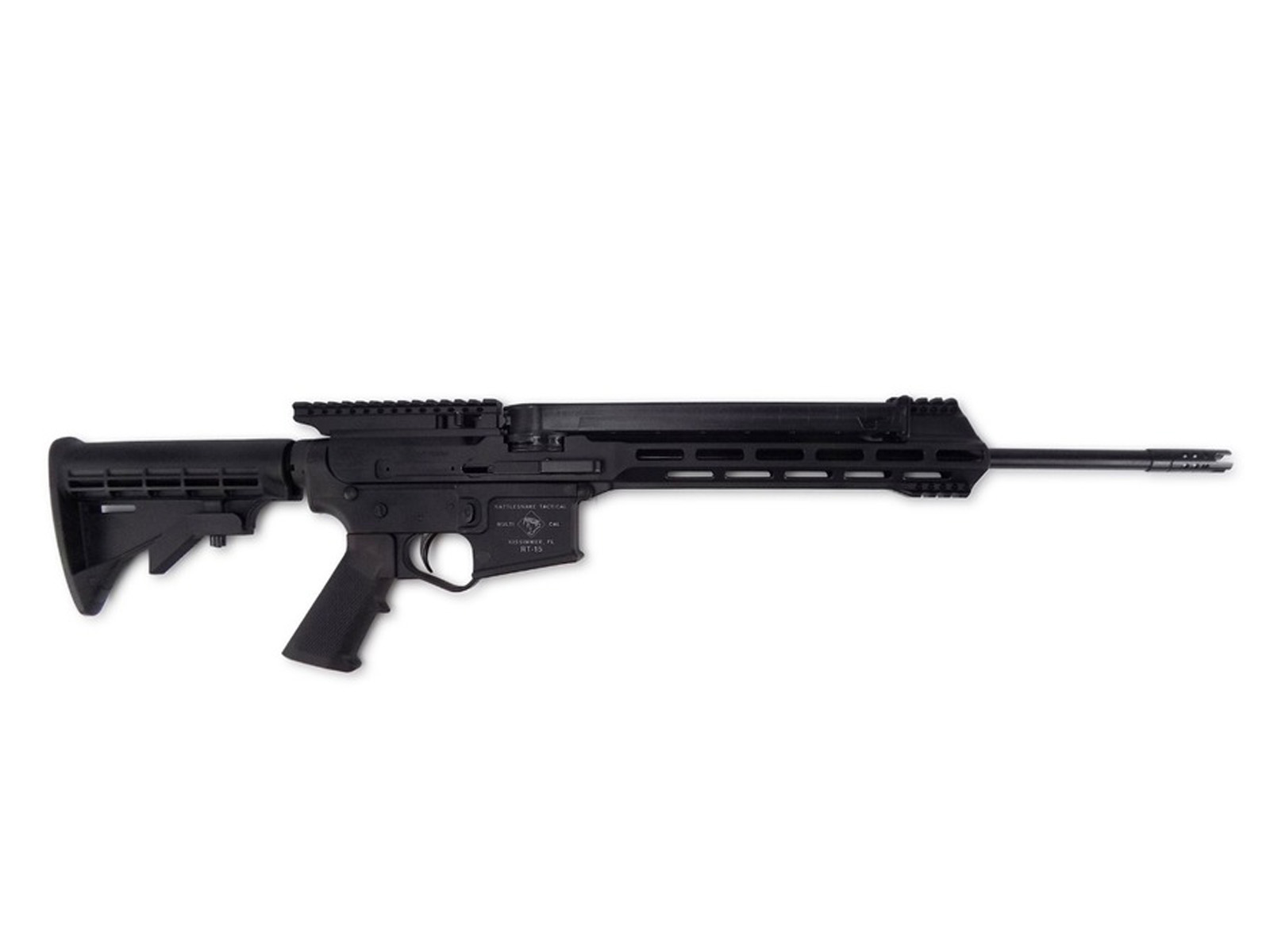
5.56 NATO runs in AR-15 pattern rifles, which are the most customizable and widely supported platforms in North America. Parts, optics, and accessories are everywhere. Ammo is sold at nearly every retailer that carries firearms.
7.62×39 runs primarily in AK-pattern rifles and the SKS. These platforms are reliable and affordable, though less modular than ARs. Ammo is widely available at most sporting goods stores and online, with soft point hunting loads becoming easier to find than they were a decade ago.
5.45×39 runs in AK-74 pattern rifles, which are less common in the US market. Ammo supply is the biggest drawback – you may need to order online and buy in bulk when it is available. If you are shopping for a hunting rifle and ammo access is a concern, this is the least practical of the three.
Quick takeaways
- 5.56 NATO wins on ammo access and platform support
- 7.62×39 wins for deer hunting from an AK or SKS
- 5.45×39 wins for cheap AK-74 range work, not hunting
- All three require expanding bullets for ethical hunting use
- State regulations should be confirmed before any hunting application
- 7.62×39 compares favorably to 30-30 Win for medium game
FAQ – Picking the Right Round for Your Hunt
Is 7.62×39 good for deer hunting?
Yes, within 150-200 yards and with soft point ammunition. It carries enough energy for clean kills on whitetail-sized deer and compares well to the 30-30 Winchester. Use quality expanding loads, not surplus FMJ.
Can you hunt deer with 5.56 NATO?
It depends on your state or province. Some jurisdictions allow it with proper loads, others prohibit it due to minimum caliber or energy requirements. Where it is legal, use bonded or soft point bullets and keep shots inside 150 yards.

Is 5.45×39 legal for hunting?
The cartridge itself is not banned, but steel-core surplus ammo like 7N6 is restricted at many ranges and not legal for hunting in most states. Hunting-specific loads exist but are rare and expensive. Most experienced hunters skip it entirely for game animals.
What is the best AK caliber for deer hunting?
7.62×39 is the clear answer. It has the energy, the bullet diameter, and the available soft point loads to handle deer-sized game ethically. The 5.45×39 does not have the same terminal performance for that application.
Which of these three is cheapest to shoot for practice?
5.45×39 has historically been the cheapest when surplus ammo is available, but supply is unpredictable. 7.62×39 is consistently affordable and widely available. 5.56 NATO varies but is generally mid-range in cost.
Can an AR-15 shoot 7.62×39?
Yes, with a dedicated upper receiver chambered in 7.62×39 and proper magazines. It is a less common setup and requires specific components, but it works. Most shooters running 7.62×39 stick with AK or SKS platforms for simplicity.





Comments are closed.