
6.5 Grendel vs 6.8 SPC: AR-15 Intermediate Caliber Battle


If you want more performance from your AR-15 without jumping to a full-size rifle cartridge, two rounds have been fighting for that middle ground for over two decades – the 6.5 Grendel and the 6.8 SPC. Both were designed to push past the limitations of 223 Rem / 5.56 NATO while still fitting in a standard AR-15 platform. The question is which one actually delivers for your specific use case.
This comparison cuts through the marketing and gets into what actually matters – ballistics at real distances, platform requirements, ammo access, and terminal performance on game. Whether you are building a deer hunting AR or a longer-range target rifle, knowing the practical differences between these two rounds will save you time and money.

How 6.5 Grendel and 6.8 SPC Were Developed
The 6.8 SPC (Special Purpose Cartridge) came first, developed around 2002 in collaboration between Remington and U.S. Army Special Forces. The goal was straightforward – give soldiers better close-range stopping power than 5.56 NATO in a package that still worked in the AR-15 platform. Its parent case is the old 30 Remington, necked down and redesigned to fit standard AR magazine wells with minor modifications.
The 6.5 Grendel followed shortly after, introduced by Alexander Arms around 2003. It took a different approach – instead of prioritizing close-range energy, it was engineered for long-range efficiency. The case is derived from the 6.5mm PPC, itself related to the 7.62×39 family, and it was designed around high ballistic coefficient 6.5mm bullets that hold velocity and energy well past 500 yards. These two rounds were solving different problems from the start, which explains why they perform so differently downrange.
Key Ballistic Differences at 100 to 500 Yards
At close range, the 6.8 SPC holds its own well. Firing a 110-grain bullet at roughly 2,550 fps from a 16-inch barrel, it delivers strong energy inside 300 yards and hits harder than 5.56 at typical hunting and defensive distances. It was designed for that window, and it performs in it reliably.
Past 300 yards is where the 6.5 Grendel separates itself. Pushing a 123-grain bullet at around 2,580 fps, the Grendel’s high-BC projectiles shed velocity much more slowly. By 500 yards, the Grendel is still delivering around 1,000 ft-lbs of energy, while the 6.8 SPC drops off more steeply. The table below gives a quick side-by-side view.
| Metric | 6.5 Grendel (123gr) | 6.8 SPC (110gr) |
|---|---|---|
| Muzzle Velocity | ~2,580 fps | ~2,550 fps |
| Energy at 100 yds | ~1,650 ft-lbs | ~1,500 ft-lbs |
| Energy at 300 yds | ~1,200 ft-lbs | ~950 ft-lbs |
| Energy at 500 yds | ~900 ft-lbs | ~600 ft-lbs |
| Bullet BC (typical) | 0.506+ | 0.350 range |
(Figures are approximate and vary by load and barrel length)
Platform Changes – Bolts, Mags, and Uppers
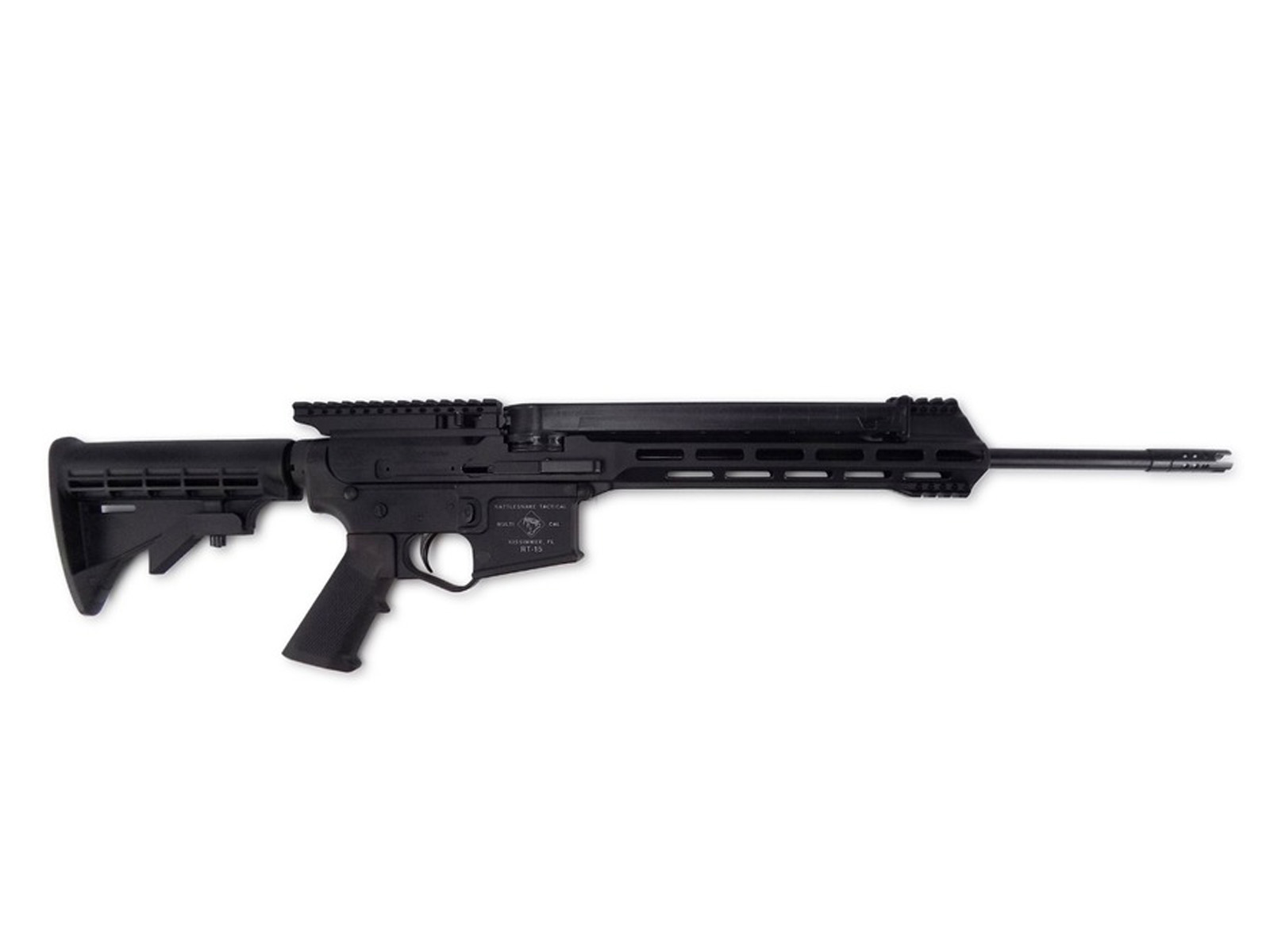
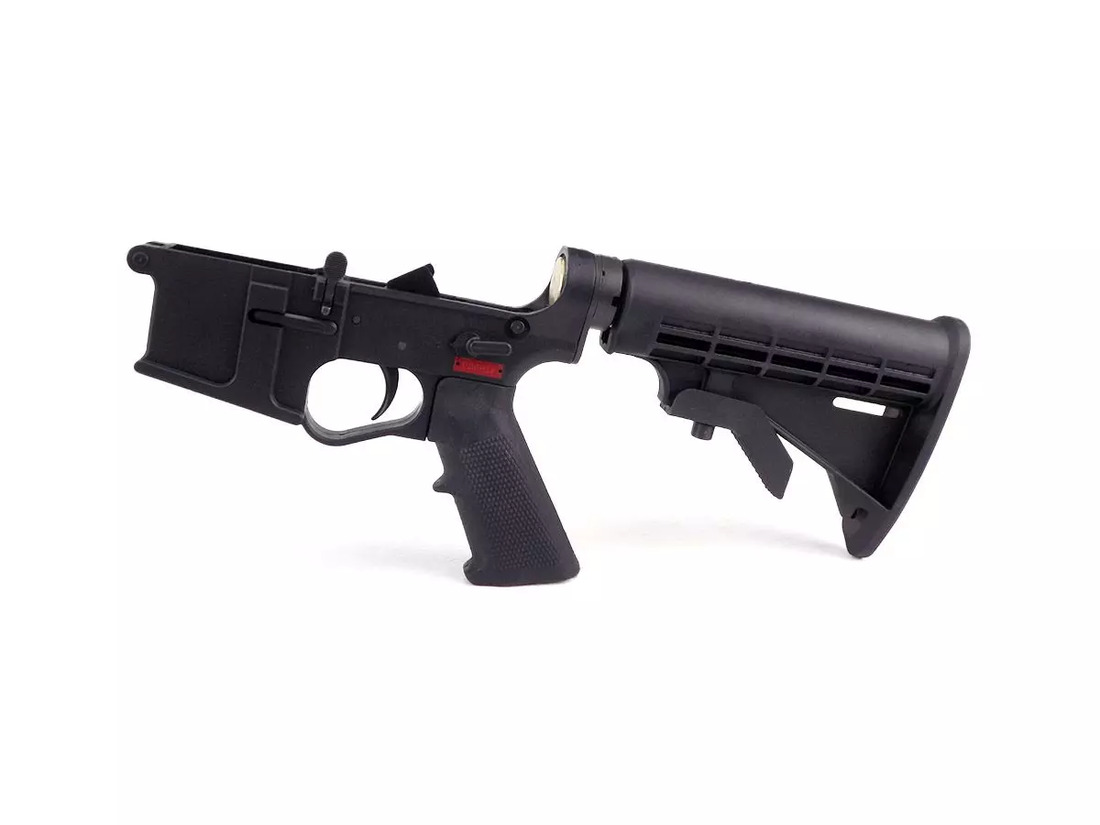
Neither round is a drop-in swap for a standard 5.56 AR-15. Both require a dedicated bolt, a compatible upper receiver, and modified magazines. That said, the lower receiver on a standard AR-15 works with both calibers, so you can run them as a dedicated upper build on your existing lower.
- 6.5 Grendel uses a larger bolt face and requires Grendel-specific magazines, which typically hold around 26 rounds in a standard-length body
- 6.8 SPC also needs a dedicated bolt and modified magazines, usually holding around 25-28 rounds
- Both calibers work with standard AR-15 triggers, stocks, grips, and lower parts
- Barrel length matters more for Grendel – a 20 to 24-inch barrel extracts more velocity from it, though 18 inches is a solid compromise
- The 6.8 SPC performs well from 16-inch barrels, making it a more compact-friendly option
If you already have an AR-15 lower you like, building an upper for either caliber is straightforward. Look for complete uppers from established manufacturers to avoid headspacing issues, which are more common with budget builds in these calibers.
Ammunition Availability – Which Round Is Easier to Find
This is where reality hits hard. Neither round comes close to 5.56 NATO or even 308 Win in terms of shelf availability. If your local gun store is well-stocked, you might find one or two loads for each – but during ammo shortages, both can disappear completely.
6.5 Grendel has been gaining ground and is now loaded by Federal, Hornady, Wolf, and a growing list of manufacturers. It is easier to find today than it was five years ago, and the handloading community around it is strong. 6.8 SPC, while still supported by some manufacturers, has been slowly declining in commercial availability as the military interest faded. If consistent ammo access is a priority for you, Grendel is the safer long-term bet right now.
Terminal Performance for Deer Hunting at Distance
For whitetail deer inside 200 yards, the 6.8 SPC is a capable round. It delivers good expansion and energy transfer with quality hunting bullets, and many hunters in the Southeast and Midwest have used it effectively for years. It is a legitimate deer cartridge at practical woodland ranges.
The 6.5 Grendel is the stronger choice when shots can stretch past 250 yards. Its retained velocity at distance means it still expands reliably and hits with enough energy to make clean kills at ranges where the 6.8 SPC starts to run thin. For open-country hunting – think Texas senderos, Midwest fields, or Canadian prairie – the Grendel’s long-range performance is a meaningful advantage. Always confirm your ethical shooting distance based on your specific load, rifle, and skill level before hunting at extended ranges.

Quick checklist – deer hunting with an AR intermediate caliber
- Confirm your state or province allows semi-automatic rifles for deer hunting
- Use expanding hunting bullets designed for the caliber – not FMJ
- Know your maximum ethical range with your specific load
- Verify energy at your maximum shot distance (aim for 800+ ft-lbs on deer)
- Zero at 200 yards for Grendel if hunting open ground; 100 yards works for SPC in brush
- Practice at the distances you actually expect to shoot
- Carry a backup round count – magazine capacity is reduced vs 5.56
Common Mistakes When Choosing Between These Rounds
- Choosing based on caliber name alone without considering your actual shooting distance
- Assuming either round is a direct drop-in for a 5.56 upper – they are not
- Buying a budget barrel without checking headspace – this is especially important in 6.8 SPC, which has had chamber spec issues (SPC vs SPC II)
- Ignoring ammo availability in your area before committing to a build
- Overlooking barrel length – running a 16-inch barrel on a Grendel build leaves performance on the table
- Expecting 5.56 magazine capacity – plan for 25-28 rounds and adjust your loadout
- Confusing 6.8 SPC and 6.8 SPC II chamber specs – they are not fully interchangeable and mixing them creates pressure problems
Best Caliber by Range, Game, and Shooting Scenario
Quick takeaways
- Under 300 yards, deer-sized game – 6.8 SPC is adequate and compact-friendly
- 300 to 500+ yards, open country – 6.5 Grendel is the clear winner
- Long-range target shooting – Grendel wins on BC and wind resistance
- Compact build priority – 6.8 SPC works better from shorter barrels
- Ammo availability long-term – Grendel has better commercial momentum
- Home defense – neither is ideal compared to 5.56, but 6.8 SPC is the shorter-range option
For most hunters building one AR-15 that needs to do double duty at the range and in the field, the 6.5 Grendel is the more versatile choice. It covers more distance, has better ammo support going forward, and uses projectiles with outstanding aerodynamic efficiency. If your hunting is done in heavy cover at close range and you want a more compact rifle, the 6.8 SPC still earns its place – just know its limitations past 300 yards.
FAQ – 6.5 Grendel vs 6.8 SPC for AR-15 Hunters
Is 6.5 Grendel better than 6.8 SPC for deer hunting?
For shots beyond 250 yards, yes – the Grendel retains more energy and expands more reliably at distance. Inside 200 yards on deer-sized game, both rounds are effective with quality hunting bullets.

Can I use a standard AR-15 lower with either caliber?
Yes. Both calibers use a standard AR-15 lower receiver. You only need a dedicated upper, bolt, and magazine for each caliber.
What is the 6.8 SPC II chamber issue?
Early 6.8 SPC chambers had a tighter spec that caused pressure problems with some factory ammo. The 6.8 SPC II chamber corrected this. If you are buying or building a 6.8 SPC upper, confirm it is chambered in SPC II to avoid issues with modern factory loads.
How many rounds fit in a standard magazine for these calibers?
Both calibers run around 25-28 rounds in a standard AR-15 magazine body, compared to 30 rounds for 5.56. Dedicated Grendel and SPC magazines are required – standard 5.56 mags do not feed reliably.
Is 6.5 Grendel good for long-range target shooting?
Yes. The Grendel was partly designed for competition use. With high-BC 123-grain bullets, it competes well at 600 to 800 yards and punches above its weight class for a round that fits in an AR-15.
Which caliber has better ammo availability in the US and Canada?
Currently, 6.5 Grendel has broader commercial support and is easier to find at most retailers. 6.8 SPC is still available but has fewer manufacturers actively loading it. Both are harder to find than 5.56, so handloading is worth considering for either caliber if you shoot volume.





Comments are closed.