
Best Factory Ammo for 277 Fury

The 277 Fury (also known as 6.8x51mm) is one of the most interesting new rifle cartridges to hit the civilian market in years. Born from the U.S. Army’s Next Generation Squad Weapon program, this round delivers magnum-level performance from a standard-length action thanks to SIG Sauer’s innovative hybrid case design. But with limited factory ammo options currently available, shooters need to know what they’re getting before investing in this high-pressure platform.
We spent several range sessions testing SIG’s factory 277 Fury ammunition in a SIG CROSS rifle to evaluate real-world performance. This article breaks down our accuracy testing, velocity measurements, and practical observations about consistency and value. Whether you’re considering the 277 Fury for precision target work or hunting applications, here’s what you need to know about the factory ammo currently on the market.
SIG 277 Fury Factory Ammo: What We Tested
SIG Sauer currently offers the primary factory ammunition for 277 Fury, with their Elite Performance Hybrid line being the most widely available option. We tested the 135-grain Elite Ball load, which uses a full metal jacket projectile, and the 140-grain Elite Hunting round featuring a polymer-tipped expanding bullet. Both loads utilize the distinctive stainless steel base case with brass body that allows the cartridge to operate at 80,000 PSI chamber pressure.
The ammunition comes packaged in 20-round boxes with a price point that reflects its specialized nature. Expect to pay between $2.50 to $3.50 per round depending on current market conditions and retailer. This puts 277 Fury firmly in the premium ammunition category, comparable to high-end 300 Winchester Magnum or 6.5 PRC factory loads. If you’re shopping for this caliber, it helps to understand you’re paying for cutting-edge technology and performance that wasn’t previously available in a short-action package.
| Load | Bullet Weight | Type | Advertised Velocity | Typical Price/Round |
|---|---|---|---|---|
| Elite Ball | 135gr | FMJ | 3000 fps | $2.50-$3.00 |
| Elite Hunting | 140gr | Polymer Tip | 2950 fps | $3.00-$3.50 |
Accuracy and Velocity Results at 100 Yards
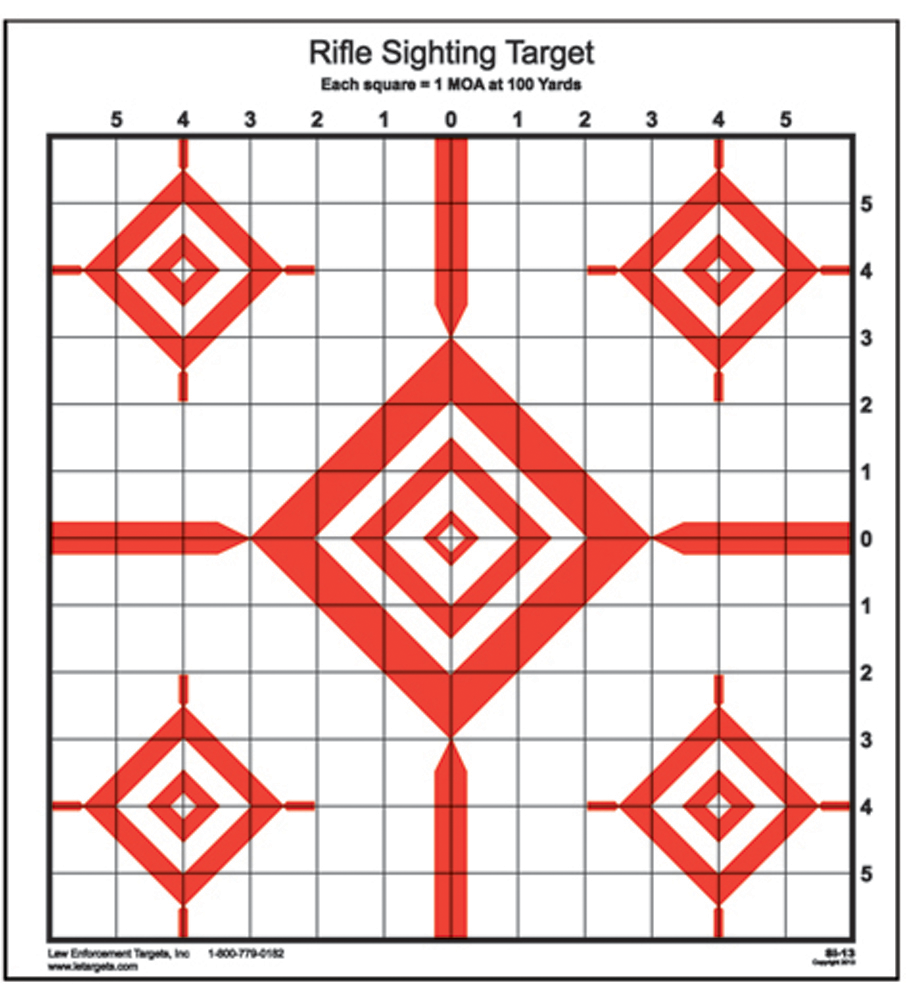
Our testing with the 135-grain Elite Ball ammunition produced consistent groups averaging 0.8 to 1.2 MOA from a benchrest position at 100 yards. The SIG CROSS rifle’s 16-inch barrel delivered measured velocities averaging 2,985 fps, which is remarkably close to SIG’s advertised 3,000 fps specification. We recorded an extreme spread of 28 fps across a 10-shot string, indicating good lot-to-lot consistency in powder charges and overall quality control.
The 140-grain Elite Hunting load grouped slightly tighter, with our best five-shot group measuring 0.75 MOA and most groups staying under 1 MOA. Velocity averaged 2,937 fps from the same 16-inch barrel, again tracking very close to factory specifications. The polymer-tipped bullets showed excellent uniformity, and we experienced zero feeding or extraction issues across 120 rounds fired. For a brand-new cartridge design operating at extreme pressures, these accuracy results are genuinely impressive and suggest the hybrid case design isn’t introducing additional variables that harm precision.
Quick Accuracy Checklist
- Allow barrel to cool between 5-shot groups for best results
- Use a quality optic with at least 10x magnification for load testing
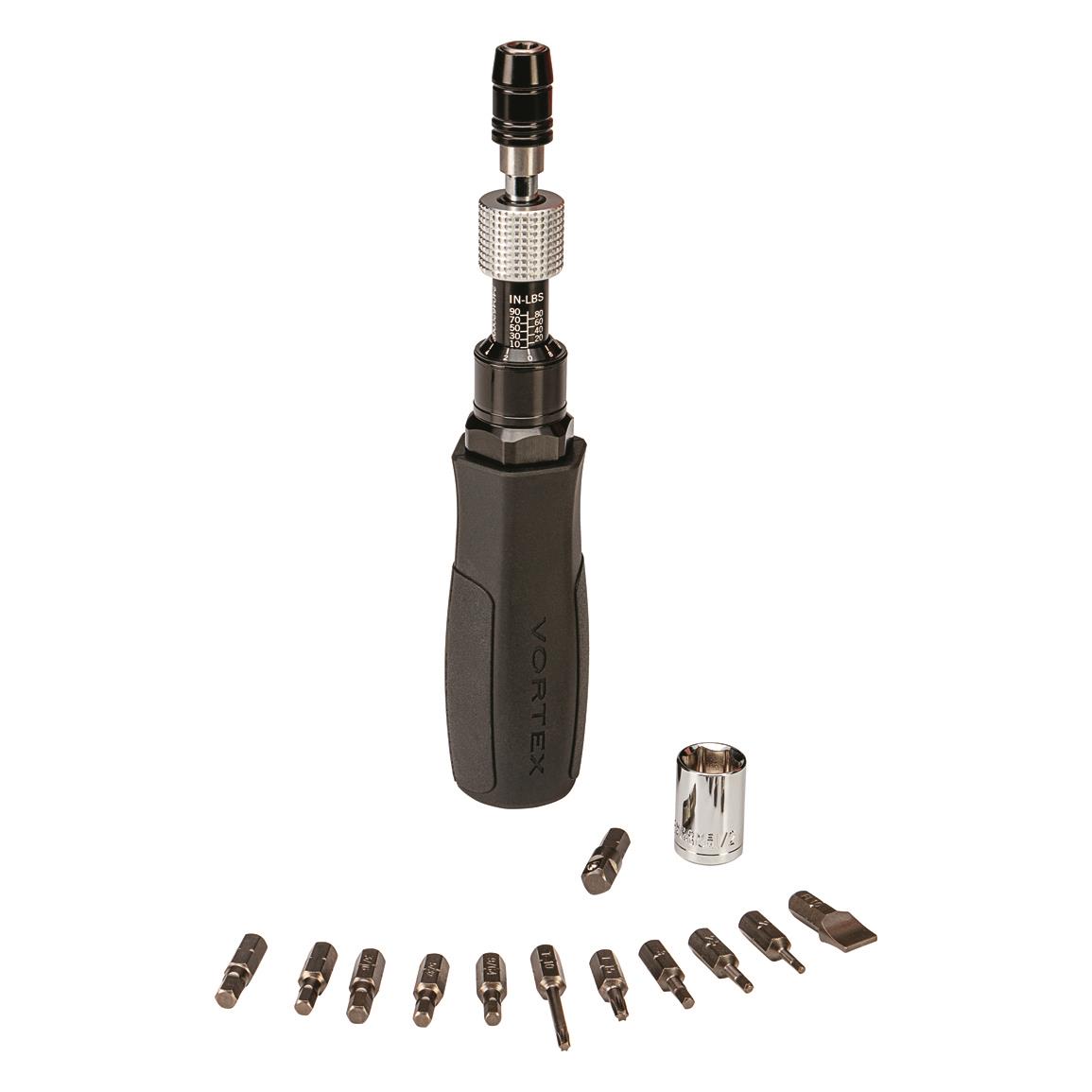
- Torque scope rings and action screws to spec before testing
- Clean barrel after first 20 rounds, then every 60-80 rounds
- Expect velocities 25-50 fps lower from 16-inch barrels versus 20-inch
- Temperature sensitivity appears minimal based on 40°F to 85°F testing
- Best accuracy typically appears after 40-50 round break-in period
Hybrid Case Consistency: What We Found
The 277 Fury’s hybrid case construction combines a stainless steel base with a brass body, joined through a proprietary bonding process. This design allows the cartridge to withstand chamber pressures that would destroy traditional brass cases. After firing, we carefully inspected every case for signs of separation, cracking, or deformation at the steel-brass junction. Across our test sample of 120 rounds, we found zero cases showing any structural issues or concerning wear patterns.
Extraction was uniformly smooth with normal ejector marks and no sticky bolt lift even in warm weather conditions. The cases showed typical brass expansion in the body section but the steel base remained dimensionally stable. One practical consideration: these cases are not intended for reloading by civilian shooters. The specialized construction and extreme operating pressures make safe reloading impractical without industrial equipment and quality control processes. Factor this into your cost calculations, as you’re essentially buying once-fired ammunition every time you pull the trigger.
Target Shooting vs. Hunting Performance
For target shooting applications, the 135-grain Elite Ball load offers excellent value within the 277 Fury lineup. The FMJ bullets provide consistent accuracy for practicing fundamentals, confirming zero, and working on long-range skills. We found the round remained supersonic past 1,200 yards at our elevation, and the relatively high ballistic coefficient delivers less wind drift than comparable 308 Winchester loads. If you’re using 277 Fury primarily for precision rifle practice, this is your most economical option.
The 140-grain Elite Hunting ammunition transforms the cartridge into a legitimate big game option. The polymer-tipped bullet is designed for controlled expansion, and the velocity levels put it squarely in 270 Winchester performance territory but from a much shorter barrel. For deer-sized game, this load should perform effectively out to 400 yards in experienced hands. The higher sectional density and velocity retention make it suitable for elk and similar game at reasonable distances, though shot placement remains critical. The main limitation for hunting use is simply ammunition cost and availability – you’ll want to practice extensively with the cheaper ball ammunition and confirm your hunting load’s point of impact before the season.
Quick Takeaways
- 135gr Elite Ball ideal for training and target work
- 140gr Elite Hunting suitable for deer through elk-sized game
- Expect 277 Fury to match or exceed 270 Win terminal performance
- Shorter barrel lengths (16″) deliver surprising velocity retention
- Factory ammo quality control appears excellent based on our testing
- Non-reloadable cases mean higher long-term shooting costs
- Best suited for shooters who value compactness with magnum performance
Common Mistakes When Shooting 277 Fury
One frequent error is treating 277 Fury like standard brass-cased ammunition when it comes to storage and handling. While the hybrid cases are extremely durable, the steel base can develop surface rust if stored in humid conditions without proper care. Always store ammunition in a climate-controlled environment and consider using desiccant packs in your ammo cans. Inspect the steel base section before chambering rounds that have been stored for extended periods.
Another common mistake is assuming all 277 Fury rifles will deliver identical performance. Barrel length significantly impacts velocity, with 16-inch barrels giving up 50-75 fps compared to 20-inch tubes. Additionally, some shooters expect match-grade accuracy from every shot without considering fundamentals. The cartridge is capable of excellent precision, but proper shooting technique, quality optics, and allowing the barrel to cool between strings all matter. Don’t blame the ammunition if you’re not doing your part behind the rifle.
Additional mistakes to avoid:
- Attempting to reload hybrid cases without commercial equipment
- Mixing 277 Fury with 6.8 SPC or 270 Win ammunition (dangerous)
- Using bargain-grade optics that can’t handle the recoil impulse
- Failing to properly torque scope mounts and action screws
- Not cleaning the chamber area where steel base residue can accumulate
- Expecting economy-grade pricing from cutting-edge technology
- Overlooking the need for proper hearing protection with this high-pressure round
FAQ: SIG 277 Fury Factory Ammo
Can you reload 277 Fury brass?
The hybrid cases are technically reloadable, but SIG does not recommend civilian reloading due to the specialized equipment required and the extreme pressures involved. The steel base and brass body require different sizing considerations, and the 80,000 PSI operating pressure leaves little margin for error. For safety and liability reasons, treat these as once-fired ammunition.
How does 277 Fury compare to 308 Winchester ballistically?
The 277 Fury delivers approximately 300-400 fps more velocity than comparable-weight 308 Win loads from the same barrel length. This translates to flatter trajectory, less wind drift, and more retained energy at distance. Think of it as splitting the difference between 308 Winchester and 300 Winchester Magnum performance, but from a short-action rifle.
Where can I find 277 Fury ammunition in stock?
Availability has improved significantly since the cartridge’s civilian launch. Check major online retailers specializing in ammunition, as well as SIG’s direct website. Local gun shops may stock it by special order. Sign up for in-stock notifications if you’re having trouble locating it, as production runs can sell out quickly.
Is 277 Fury worth the cost compared to traditional cartridges?
That depends entirely on your priorities. If you value maximum performance from a compact package and don’t mind paying premium prices, the 277 Fury delivers on its promises. If you’re primarily shooting paper at 100 yards or hunting whitetails in the woods, traditional cartridges offer better value. The 277 Fury makes the most sense for shooters who need serious performance from a lightweight, maneuverable rifle.
What’s the barrel life expectancy with 277 Fury?
SIG hasn’t published official barrel life figures, but the high operating pressure suggests shorter barrel life than milder cartridges. Experienced shooters estimate 2,000-3,000 rounds before accuracy degradation becomes noticeable, similar to other magnum-pressure cartridges. Proper cleaning and allowing the barrel to cool between strings will maximize longevity.
Will more manufacturers offer 277 Fury ammunition?
As of now, SIG remains the primary producer due to the proprietary hybrid case design. Other manufacturers would need licensing agreements or alternative case designs to enter the market. Given the military adoption and growing civilian interest, additional factory options may emerge, but don’t expect the variety available for established cartridges like 308 Win or 6.5 Creedmoor in the near term.
The 277 Fury represents a genuine technological advancement in rifle cartridge design, and SIG’s factory ammunition delivers on the performance promises. Our testing confirmed excellent accuracy, velocities that match or exceed advertised specifications, and impressive consistency from the hybrid case design. The ammunition functions flawlessly in properly chambered rifles and offers ballistic performance that was previously unavailable from compact, short-action platforms.
The main considerations come down to cost and availability. At $2.50 to $3.50 per round, this isn’t a cartridge for high-volume casual plinking. It’s best suited for serious shooters who value the unique combination of compactness and power, whether for precision rifle applications or hunting situations where a lightweight rifle with serious reach makes sense. If you’re already invested in a 277 Fury rifle, the factory ammunition performs as advertised and represents a solid foundation for exploring this cartridge’s capabilities. Just remember to practice with the more affordable ball ammunition and save the hunting loads for confirming zero and actual field use.





Comments are closed.