
Top Upgrades for Your SIG CROSS 277 Fury



The SIG CROSS chambered in 277 Fury is an impressive precision rifle right out of the box, but a few strategic upgrades can transform it into an even more capable long-range platform. Whether you’re pushing the limits at 1,000 yards or working on tight groups at the range, the right modifications make a measurable difference in accuracy and shootability.
This guide walks through the most impactful upgrades for your CROSS in 277 Fury, from trigger replacements to recoil management and stability enhancements. We’ll focus on practical improvements that deliver real results, not just cosmetic changes. Each section covers what to look for, why it matters, and how to avoid common pitfalls when upgrading this unique rifle.
Best Aftermarket Triggers for the SIG CROSS
The factory trigger on the SIG CROSS is serviceable, but upgrading to a precision aftermarket trigger can significantly improve your shot consistency and control. A crisp, predictable break with minimal overtravel helps you execute better shots, especially when working at extended ranges where every bit of precision counts. Look for triggers designed specifically for the CROSS platform, as the receiver design has unique geometry compared to traditional bolt-action rifles.

When shopping for a trigger upgrade, prioritize adjustability and a clean break over just a light pull weight. Many shooters find that a 2.5 to 3.5-pound trigger with no creep works well for precision shooting without being dangerously light for field use. TriggerTech and Timney both offer models compatible with the CROSS that allow you to fine-tune pull weight, overtravel, and sometimes even pre-travel. Installation typically requires basic gunsmithing skills and attention to proper torque specs, so consider professional installation if you’re not comfortable working on trigger groups.
Quick Checklist: Choosing a Trigger Upgrade
- Verify compatibility with the SIG CROSS receiver design
- Look for adjustable pull weight between 1.5 and 4 pounds
- Prioritize zero creep and minimal overtravel
- Check if the trigger includes installation instructions specific to the CROSS
- Confirm the trigger is designed for precision rifle applications
- Budget $200-$400 for quality aftermarket options
- Consider professional installation if unfamiliar with trigger work
Top Muzzle Brakes to Tame 277 Fury Recoil
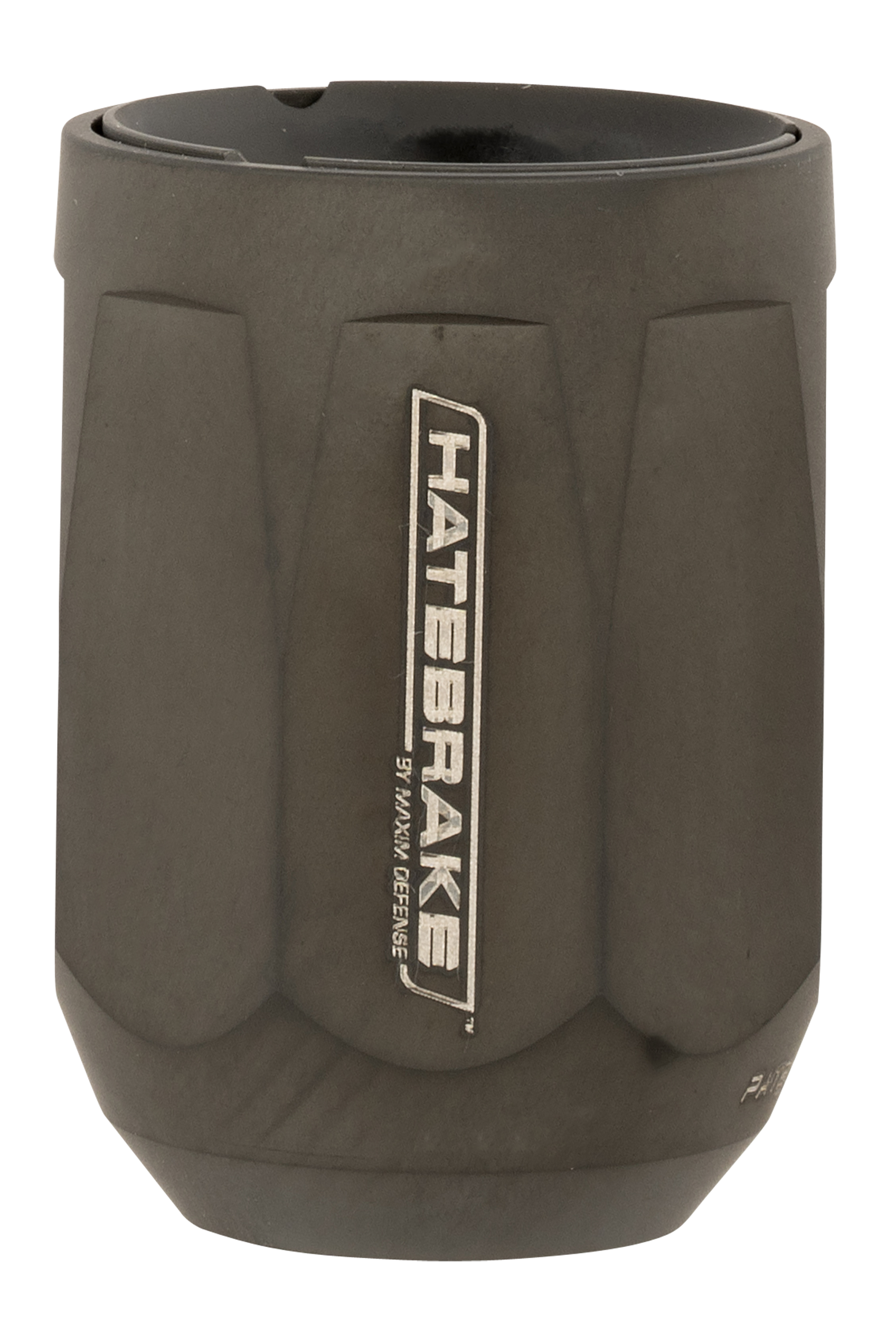
The 277 Fury cartridge delivers impressive ballistics, but that performance comes with stout recoil that can affect your ability to spot impacts and maintain position during strings of fire. A quality muzzle brake redirects gas to counteract recoil and muzzle rise, making follow-up shots faster and reducing shooter fatigue during extended range sessions. The CROSS comes threaded, making brake installation straightforward with the right tools.
Effective brakes for the 277 Fury typically feature side ports that redirect gas perpendicular to the bore axis, though this increases concussion for the shooter and anyone nearby. If you shoot frequently at public ranges, consider a brake design that balances recoil reduction with reduced side blast, or look into options with removable side shields. Popular choices include the Area 419 Hellfire, which offers excellent recoil reduction and self-timing installation, and the APA Gen 3 Little Bastard, known for aggressive recoil control. Expect to pay $100-$200 for a quality brake, and budget another $50-$100 for professional installation and timing if you don’t have a barrel vise and action wrench.
Premium Bipods for Long-Range Stability
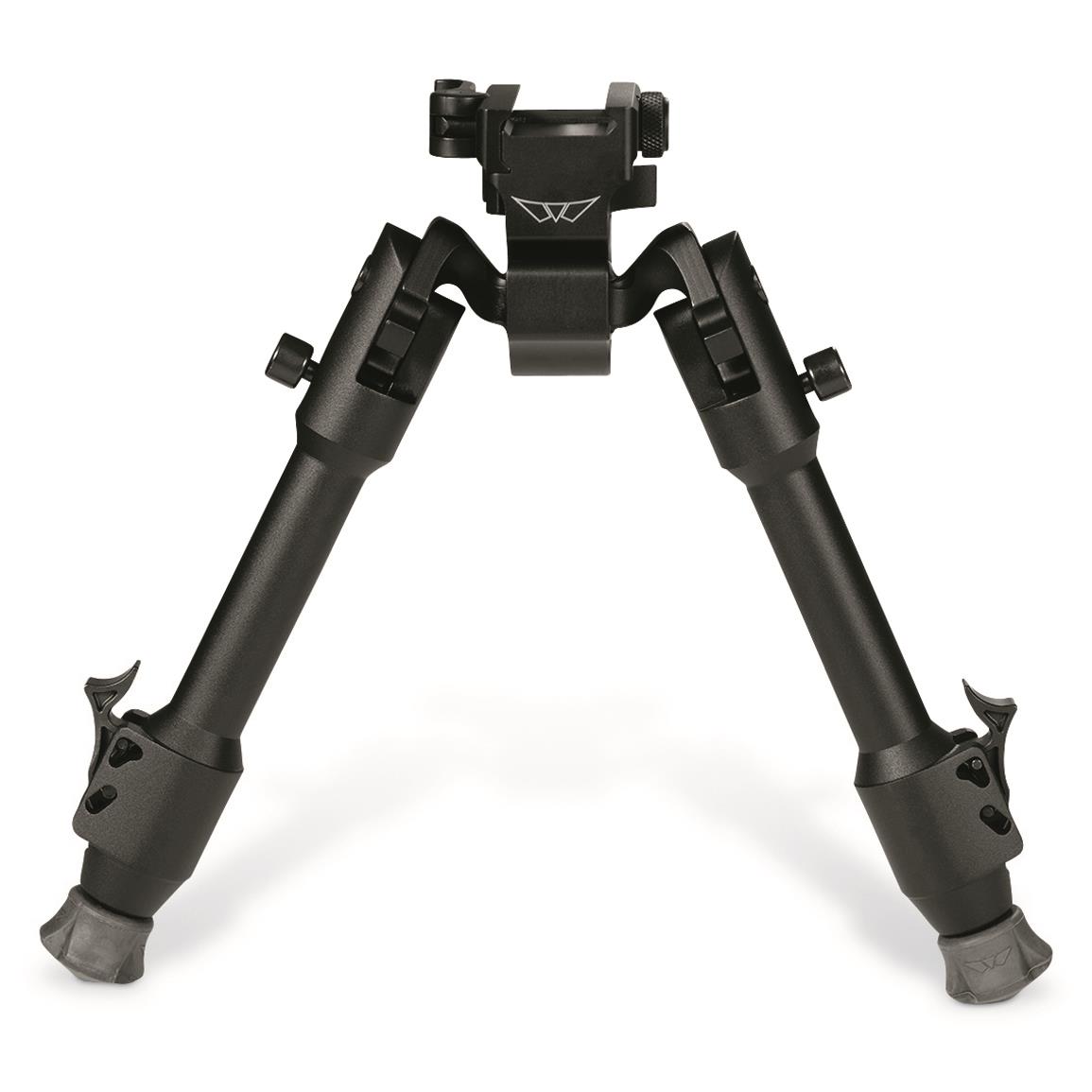
A solid bipod transforms the CROSS from a capable rifle into a true precision instrument by providing a stable shooting platform. The factory rifle uses an M-LOK or Picatinny rail system depending on the handguard configuration, giving you flexibility in mounting options. For long-range work with 277 Fury, look for bipods that offer both cant and pan adjustments, plus enough height adjustment to work from various positions.
The Atlas BT10 and BT46 series remain popular choices among precision shooters, offering smooth pan and cant with lockable legs and multiple height positions. These bipods run $250-$350 but deliver reliability and adjustability that cheaper options can’t match. If you’re working from barricades or uneven terrain, consider the Accutac SR-5 or Harris S-BRM with a pan adapter, both of which provide solid lockup and good range of motion. Whichever bipod you choose, make sure the mounting system is compatible with your CROSS handguard and that the legs extend high enough for your preferred shooting positions.
| Bipod Type | Height Range | Key Features | Price Range |
|---|---|---|---|
| Atlas BT10 | 4.75″-9″ | Pan, cant, quick adjust | $280-$320 |
| Accutac SR-5 | 5″-8.5″ | Magnetic pan lock, carbon fiber | $300-$350 |
| Harris S-BRM | 6″-9″ | Notched legs, swivel base | $100-$130 |
Upgrading Your CROSS Stock and Chassis
The SIG CROSS features a folding stock design that’s functional for transport but may leave some shooters wanting more adjustability or a different feel. Stock upgrades for the CROSS are more limited than for traditional bolt guns due to the proprietary receiver design, but options exist for shooters who want to customize their setup. The factory stock offers length of pull and comb height adjustment, so make sure any upgrade actually improves on these features rather than just looking different.
Currently, aftermarket chassis options for the CROSS remain limited compared to platforms like the Remington 700. Some shooters modify the factory stock with Kydex cheek risers or add texture with grip tape and stippling for improved purchase. If you’re considering a complete stock replacement, verify that it’s specifically designed for the CROSS and maintains the rifle’s folding capability if that’s important to your use case. Before investing $400-$800 in a chassis upgrade, spend time adjusting the factory stock to its optimal configuration – you may find it meets your needs once properly set up.
Common Mistakes When Upgrading Your SIG CROSS
Many shooters rush into upgrades without first establishing a baseline with the factory configuration, making it impossible to know which modifications actually improved performance. Before spending money on parts, shoot the rifle as-is at various distances and document your groups, then make one change at a time so you can measure the impact of each upgrade.
Here are the most common pitfalls to avoid:
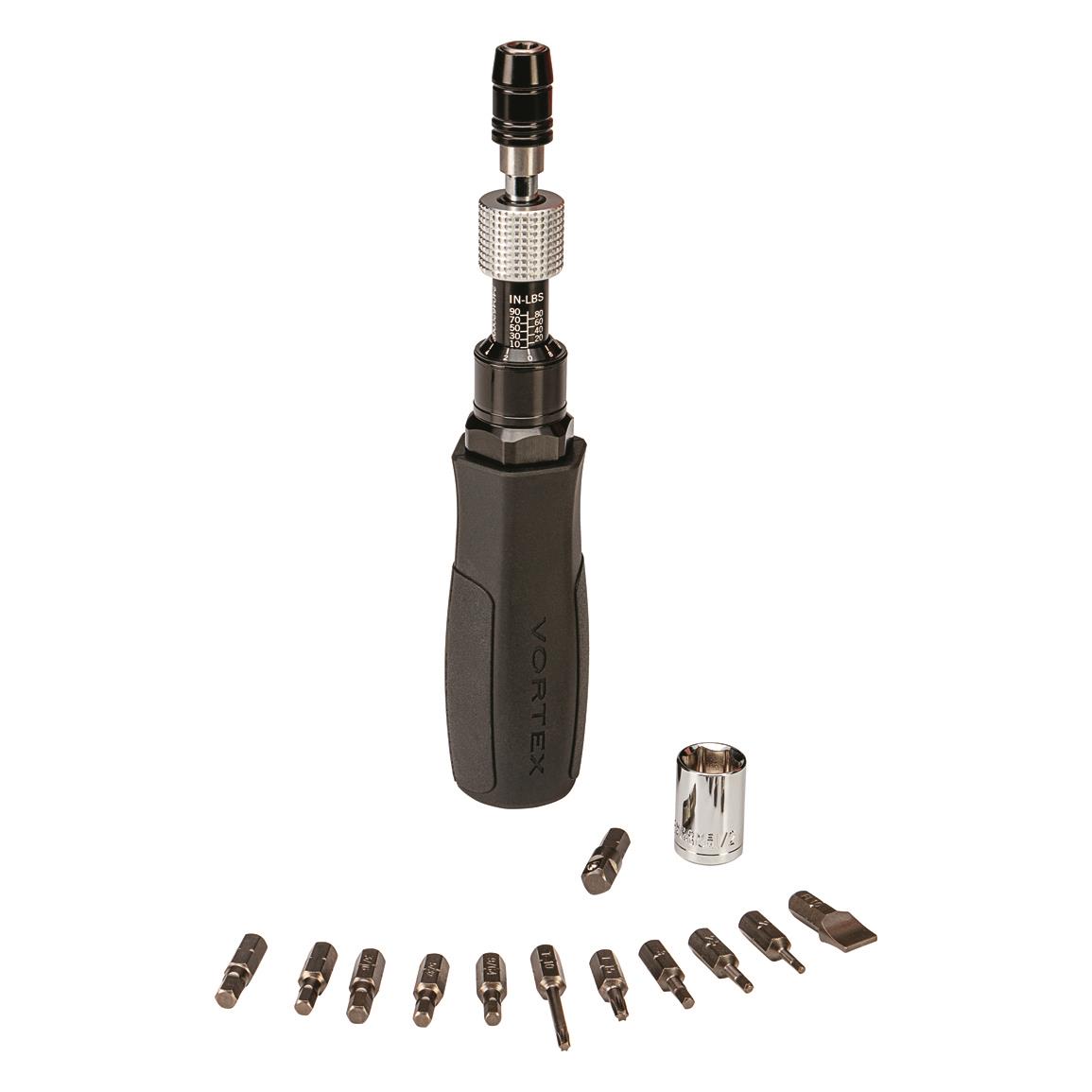
- Over-torquing scope rings and rail mounts – the CROSS receiver requires specific torque values
- Installing a muzzle brake without proper timing – incorrect alignment reduces effectiveness and looks unprofessional
- Choosing ultra-light triggers without adequate training – light triggers demand excellent discipline
- Buying incompatible accessories – always verify CROSS-specific compatibility before purchasing
- Neglecting to re-zero after each modification – every change can shift your point of impact
- Upgrading parts that aren’t actually limiting performance – address real weaknesses, not perceived ones
- Skipping professional installation for complex upgrades – some modifications require proper tools and expertise
FAQ: SIG CROSS 277 Fury Upgrades
What’s the first upgrade I should make to my SIG CROSS?
Start with a quality optic and mounting system if you haven’t already invested there – that’s where you’ll see the biggest improvement in practical accuracy. After that, a good bipod or a trigger upgrade typically delivers the most noticeable benefit for precision shooting.
Can I use Remington 700 triggers in the SIG CROSS?
No, the CROSS uses a proprietary trigger design that’s not compatible with Remington 700 or other common aftermarket triggers. You’ll need triggers specifically manufactured for the SIG CROSS platform.
How much recoil reduction can I expect from a good muzzle brake?
Quality muzzle brakes typically reduce felt recoil by 40-60% on the 277 Fury cartridge. You’ll notice a significant difference in muzzle rise and your ability to stay on target through the shot.
Is it worth upgrading the stock on the CROSS?
For most shooters, the factory stock works well once properly adjusted. Consider a stock upgrade only if you need specific features the factory option doesn’t provide, or if the ergonomics don’t fit your body type after full adjustment.

Do I need a gunsmith to install these upgrades?
Bipods and some brakes can be installed at home with basic tools. Triggers and precision brake timing typically benefit from professional installation unless you have experience and proper tools like a torque wrench and action wrench.
Will upgrades void my SIG warranty?
Modifications can affect warranty coverage depending on what’s changed and whether damage results from improper installation. Check with SIG directly about specific upgrades if warranty coverage is a concern.
Quick Takeaways
- Focus on functional upgrades that address actual performance limitations
- A quality trigger, muzzle brake, and bipod deliver the most impact for precision shooting
- Verify CROSS-specific compatibility before purchasing any aftermarket parts
- Install one upgrade at a time and re-zero to measure actual performance gains
- Professional installation is worth considering for triggers and muzzle devices
- Don’t overlook proper adjustment of factory components before replacing them
Upgrading your SIG CROSS in 277 Fury doesn’t require a complete overhaul to see meaningful improvements in accuracy and shootability. Strategic enhancements to the trigger, recoil management, and stability give you more capability without fundamentally changing what makes the CROSS an effective precision rifle. Focus on the modifications that address your specific shooting needs rather than chasing every available accessory.
Remember that even the best upgrades can’t substitute for quality ammunition, proper shooting fundamentals, and practice time behind the rifle. Start with one or two high-impact modifications, verify they actually improve your performance, then expand from there as your skills and needs develop. The 277 Fury cartridge is capable of exceptional accuracy and range – these upgrades just help you extract every bit of that potential.






Comments are closed.