
Browning X-Bolt: The Smooth-Action Specialist


The Browning X-Bolt has earned a reputation among serious hunters and precision shooters for one standout feature – its exceptionally smooth bolt action. While many rifles claim smooth operation, the X-Bolt’s 60-degree bolt throw delivers a cycling experience that genuinely feels different from the standard 90-degree designs found on most bolt-action rifles. This isn’t just marketing hype; it’s a mechanical advantage you’ll notice the first time you work the action.
Beyond the silky bolt, the X-Bolt packages several thoughtful features that elevate it above basic hunting rifles without pushing into custom-rifle price territory. The detachable rotary magazine eliminates the need for single-loading through the ejection port, the Inflex Technology recoil pad genuinely reduces felt recoil, and the adjustable Feather Trigger breaks cleanly out of the box. For hunters who value refined handling and consistent accuracy without compromising reliability in the field, the X-Bolt hits a sweet spot that few competitors match at this price point.

What Makes the X-Bolt’s 60-Degree Bolt Special
The X-Bolt’s 60-degree bolt throw requires 30 degrees less rotation than traditional bolt-action rifles, which translates to faster follow-up shots and easier operation when shooting from awkward positions. This shorter throw means your hand travels through a smaller arc, keeping your shooting hand closer to the trigger and maintaining better contact with the stock. When you’re shooting from a tight blind or working the action while maintaining a cheek weld on your scope, that reduced movement makes a noticeable difference.
The bolt itself features three locking lugs instead of the two-lug design common on many rifles. These three lugs distribute bolt thrust more evenly and contribute to the action’s legendary smoothness. The bolt body rides on a full-diameter bolt that contacts the receiver along its entire length, not just at specific bearing surfaces. This design philosophy, combined with Browning’s tight manufacturing tolerances and hand-polished bolt raceways, creates an action that cycles with minimal effort and virtually no binding or gritty feel.

Quick takeaways on bolt design
- 60-degree throw reduces hand movement by one-third compared to 90-degree actions
- Three locking lugs provide stronger lockup and smoother operation
- Full-diameter bolt body maximizes contact surface for consistent cycling
- Oversized bolt handle works well with gloves in cold weather
- Short bolt throw allows scope mounting closer to the action
How the Detachable Box Magazine Performs
The X-Bolt uses a detachable rotary magazine that holds rounds in a staggered, double-stack configuration. Unlike hinged floorplate designs or blind magazines, this system lets you quickly swap magazines or safely unload the rifle without cycling rounds through the action. The magazine body is polymer with a steel insert for durability, and the rotary design positions cartridges at the optimal angle for smooth feeding into the chamber.
In field use, the magazine release is positioned just forward of the trigger guard where it’s accessible but not prone to accidental activation. The magazines lock in with a positive click and don’t rattle or shift during carry. Standard capacity varies by cartridge – most standard-length calibers hold four rounds, while magnums typically hold three. The magazine sits flush with the stock bottom, maintaining the rifle’s clean lines and preventing snags on brush or gear. If you’re shopping for extra magazines, they’re reasonably priced and widely available through most sporting goods retailers.

Does the Inflex Recoil Pad Really Work?
Browning’s Inflex Technology recoil pad features a distinctive curved profile that directs recoil energy down and away from your cheek rather than straight back into your face. The pad uses a soft rubber compound with internal geometric patterns that compress progressively under recoil. This isn’t just a thick slab of rubber – the design actually changes how recoil forces transfer to your shoulder and face.
Testing the Inflex pad with hard-kicking calibers like 300 Win Mag and 7mm Rem Mag reveals noticeable recoil reduction compared to standard flat pads. The downward deflection genuinely reduces muzzle jump and minimizes the cheek-slap that causes flinching with lighter rifles. Shooters who are recoil-sensitive or plan extended range sessions will appreciate this feature. The pad also provides excellent grip against your shoulder, preventing the rifle from slipping during recoil, which further improves follow-up shot speed and accuracy.

Adjusting the Feather Trigger for Best Results
The X-Bolt’s Feather Trigger is user-adjustable from approximately 3 to 5 pounds without removing the action from the stock. The trigger breaks cleanly with minimal creep and virtually no overtravel out of the box. Many shooters find the factory setting perfectly acceptable for hunting, but the adjustment capability lets you fine-tune the pull weight to match your preferences and shooting style.
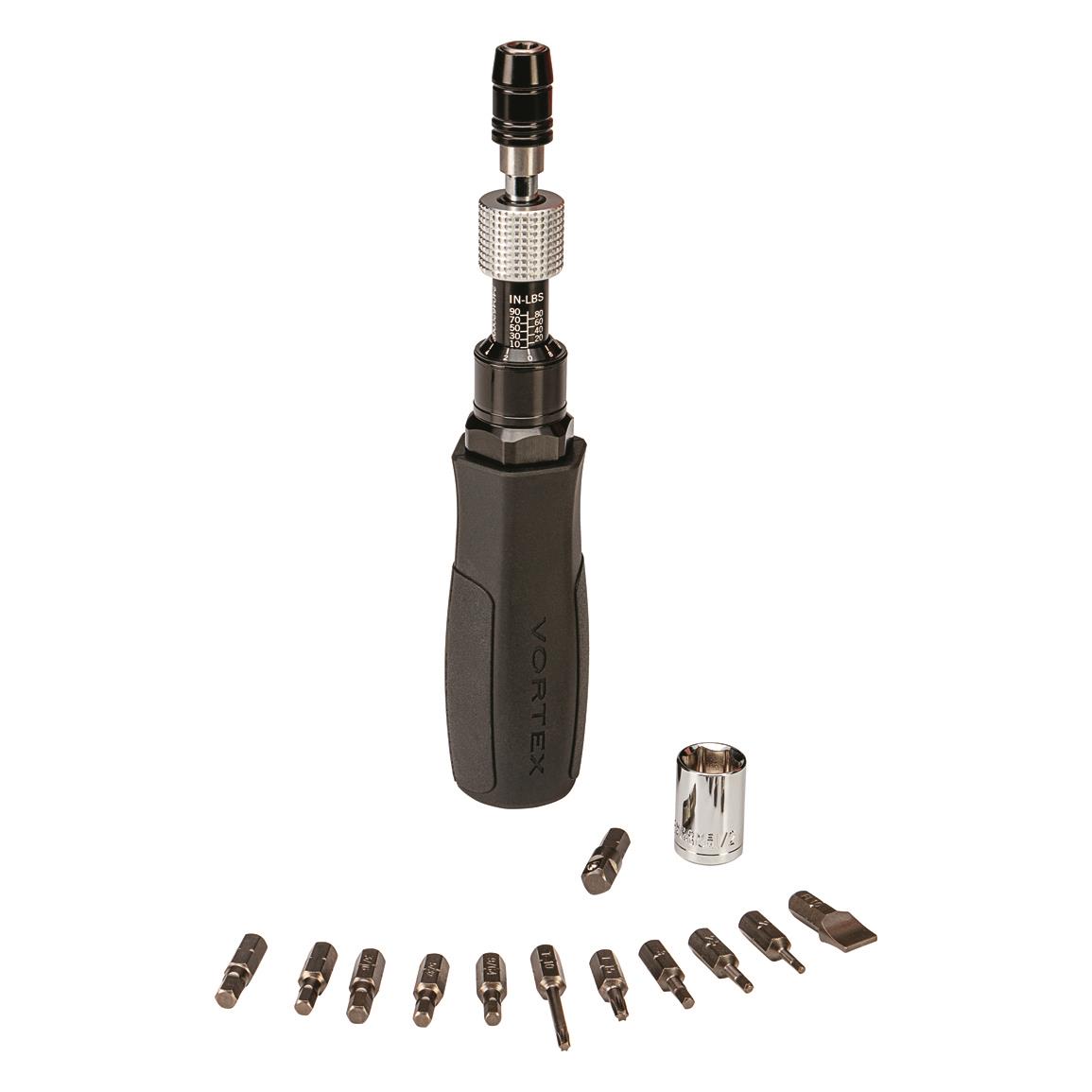
To adjust the trigger, you’ll need a small Allen wrench (typically 2.5mm or 3/32-inch). The adjustment screw is located inside the trigger guard, accessible from below. Turning the screw clockwise increases pull weight, while counterclockwise decreases it. Make small adjustments – a quarter-turn at a time – and test the trigger after each change. Always verify that the safety functions correctly after any adjustment, and never reduce pull weight below the manufacturer’s minimum specification. A properly adjusted Feather Trigger rivals aftermarket triggers costing $200 or more.

Trigger adjustment checklist
- Unload rifle completely and verify chamber is empty
- Use correct size Allen wrench to avoid stripping adjustment screw
- Make quarter-turn adjustments and test between changes
- Verify safety engages and disengages properly after adjustment
- Test trigger with snap caps before live fire
- Stay within manufacturer’s specified pull weight range (3-5 lbs)
- Consider having a gunsmith perform adjustment if uncomfortable
Common Mistakes When Choosing Your X-Bolt Model
One frequent mistake is selecting a model based purely on appearance without considering how the stock design fits your intended use. The Hell’s Canyon Speed models feature synthetic stocks with textured grip panels and Cerakote metal finish, making them ideal for rough weather hunting. However, the Medallion and Eclipse Hunter models with walnut stocks offer superior handling characteristics and balance that many shooters prefer for general hunting. If you primarily hunt from a stand in moderate weather, the added weight and refined feel of a wood-stocked model might serve you better than a lightweight synthetic.

Another common error is overlooking barrel length and contour for your specific application. The Long Range models come with heavy-contour barrels (26 inches in most calibers) that excel at precision shooting but add considerable weight for mountain hunting. Standard Hunter models typically feature 22-inch or 24-inch barrels with medium-sporter contours that balance accuracy and carry weight effectively. Match your barrel configuration to your actual hunting style rather than choosing the longest or heaviest barrel assuming it will shoot better. For most hunting scenarios inside 400 yards, a standard-contour 22-inch barrel delivers all the accuracy you need while being far more pleasant to carry all day.
Model selection guide
| Model | Best For | Weight Range | Stock Type |
|---|---|---|---|
| Hunter | General hunting, versatile use | 6.5-7 lbs | Composite or walnut |
| Hell’s Canyon | Extreme weather, backcountry | 6.5-7.5 lbs | Synthetic, Cerakote |
| Long Range | Precision shooting, heavy game | 8-9 lbs | Composite, adjustable comb |
| Medallion | Traditional hunting, aesthetics | 6.5-7 lbs | Walnut, gloss finish |
| Eclipse Hunter | Balance of looks and function | 6.5-7 lbs | Gray laminate |
FAQ: Browning X-Bolt Buyer Questions Answered
What calibers are available in the X-Bolt platform?

The X-Bolt is chambered in over 20 calibers ranging from 223 Rem to 300 Win Mag and beyond. Popular choices include 6.5 Creedmoor, 308 Win, 30-06 Springfield, 7mm Rem Mag, and 300 Win Mag. Specific model availability varies by caliber, so check current offerings if you have a specific chambering in mind.
How does the X-Bolt compare to the Savage 110 or Tikka T3x?
The X-Bolt offers a smoother bolt action than the Savage 110 and matches the Tikka T3x for smoothness while providing more aftermarket stock options. The X-Bolt’s detachable magazine is more robust than Tikka’s plastic magazine, though the Tikka is typically lighter. The Savage offers better value for budget-conscious buyers, but the X-Bolt delivers superior fit and finish at a moderate price premium.
Can I upgrade the stock on my X-Bolt?
Yes, several aftermarket manufacturers offer stocks for the X-Bolt, including McMillan, Stockys, and Boyd’s. The X-Bolt uses a relatively simple two-screw bedding system that makes stock changes straightforward. If you’re looking to customize your rifle for specific applications like long-range shooting or lightweight mountain hunting, aftermarket stocks provide excellent options.
What scope mounting system does the X-Bolt use?
The X-Bolt receiver is drilled and tapped for standard two-piece scope bases. Most shooters use Browning or Leupold bases with standard Weaver-style or Picatinny rings. The short bolt throw allows mounting scopes slightly farther forward than on 90-degree actions, which can improve eye relief with longer scopes.
How accurate is the X-Bolt out of the box?
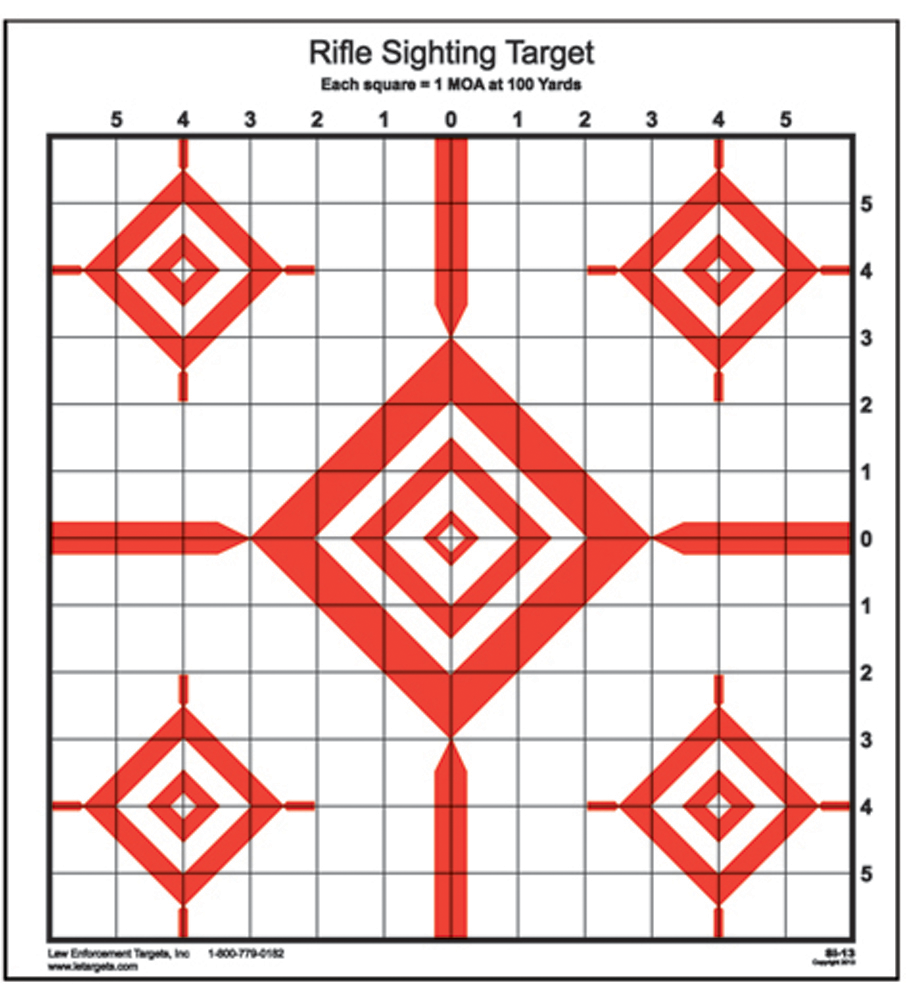
Most X-Bolt rifles will shoot 1 MOA or better with quality ammunition they favor. Many shooters report consistent 0.5 to 0.75 MOA groups once they find the preferred load. Accuracy varies somewhat by model, with the Long Range variants typically delivering the tightest groups due to their heavier barrels and optimized stock designs.
What’s the break-in procedure for a new X-Bolt?
Browning recommends a simple break-in: clean the bore thoroughly before first use, then shoot one round and clean for the first 10 rounds, followed by shooting three-round groups and cleaning between groups for the next 10-15 rounds. After that, clean normally based on your shooting volume. This process smooths the barrel and establishes optimal accuracy.
The Browning X-Bolt distinguishes itself in a crowded bolt-action market through genuine mechanical advantages rather than marketing gimmicks. The 60-degree bolt throw isn’t just different – it’s functionally superior for rapid cycling and shooting from confined positions. Combined with the reliable detachable magazine, effective recoil reduction, and excellent trigger, the X-Bolt delivers a refined shooting experience that justifies its mid-tier price point.
If you’re shopping for a hunting rifle that balances accuracy, reliability, and handling refinement, the X-Bolt deserves serious consideration. Look for models that match your specific hunting conditions and shooting style rather than simply choosing the most expensive or feature-laden option. Whether you select a traditional Medallion for whitetail stands, a weather-resistant Hell’s Canyon for western elk, or a Long Range model for precision shooting, you’re getting a rifle built to perform consistently in the field. The X-Bolt’s reputation for smooth operation and dependable accuracy isn’t hype – it’s earned through solid engineering and quality manufacturing that you’ll appreciate every time you cycle that buttery bolt.




Comments are closed.