
Top premium suppressors for serious shooters.


If you’ve moved past entry-level cans and you’re ready to invest in a suppressor that genuinely performs at the highest level, you’re in the right place. The market for premium suppressors over $1000 has never been stronger, with manufacturers like Dead Air, SilencerCo, and Q pushing the boundaries of materials science, baffle design, and mounting systems. These aren’t impulse buys – they’re long-term investments that reward serious shooters with measurable gains in sound reduction, durability, and shooting comfort.
This guide breaks down three of the most respected high-end suppressors available today. We’ll look at real-world performance, construction quality, and the practical differences that matter when you’re behind the rifle. Whether you’re building a precision rig or need a versatile hunting can, these three models represent the current top tier.
Quick Takeaways
- Dead Air Nomad 30 leads in 30 cal versatility and modularity with its KeyMo mounting system
- SilencerCo Omega 9K delivers impressive performance in a compact, lightweight K-frame package ideal for subguns and pistol-caliber carbines
- Q Trash Panda 2 offers an innovative design with a standout sound signature for 300 Blackout and similar cartridges
- All three feature advanced materials like titanium and Stellite that justify their price tags
- Mounting system compatibility is just as important as the suppressor itself – plan your muzzle devices accordingly
- Expect to pay $1,000 to $1,400 before tax stamp costs
Dead Air Nomad 30 – Gold Standard Review
The Dead Air Nomad 30 has earned its reputation as one of the most versatile 30 cal suppressors on the market, and it’s not hard to see why. Built with a mix of Stellite baffles and a titanium outer tube, it handles everything from 5.56 NATO to 300 Win Mag without breaking a sweat. What sets it apart is the modular mounting system – the Nomad 30 ships with a 1/4×28 direct-thread adapter but accepts Dead Air’s KeyMo, HUB, and several third-party mounting systems. That flexibility means one can works across multiple host rifles with a simple adapter swap.

In real-world shooting, the Nomad 30 consistently delivers sound reduction in the neighborhood of 28-32 dB depending on the host barrel length and cartridge. On a bolt-action 308 Win with a 20-inch barrel, it’s genuinely hearing-safe. On a short-barreled 300 Blackout running subsonic loads, it’s remarkably quiet. The 30 cal bore gives you room to suppress everything from 223 Rem up through magnum cartridges, making it a true do-everything can for shooters who don’t want to own five different suppressors. At a street price typically hovering around $1,000 to $1,100, it’s the entry point into truly premium performance.
SilencerCo Omega 9K Performance Breakdown
The SilencerCo Omega 9K takes a completely different approach from the Nomad 30. This is a compact, K-frame 9mm suppressor designed for shooters who prioritize minimal length and weight on pistol-caliber hosts. At just 4.7 inches long and around 7.8 ounces, it adds almost nothing to the overall footprint of a subgun or pistol-caliber carbine. SilencerCo built it with a fully welded Stellite baffle core inside a stainless steel tube, which means it handles full-auto rated fire without the lifespan concerns that plague lesser cans.
Where the Omega 9K really shines is on hosts like the MP5, Scorpion EVO, or short 9mm AR builds. Sound reduction sits around 30-32 dB on most hosts – impressive for something this small. It ships with a direct-thread 1/2×28 piston, and SilencerCo’s Charlie mount adapter system gives you options for different attachment methods. If you’re shopping for a 9mm can that won’t make your gun feel front-heavy or awkward, and you’re willing to pay in the $1,000 to $1,100 range for that refinement, the Omega 9K is hard to beat. Just know that its compact size means it won’t match the raw decibel reduction of a full-size 9mm suppressor.
Q Trash Panda 2 Sound and Build Quality
Q has always done things differently, and the Trash Panda 2 is no exception. Designed primarily around 300 Blackout – both supersonic and subsonic – this suppressor uses Q’s proprietary baffle geometry and a combination of titanium and stainless steel construction to deliver one of the most pleasant sound signatures in the industry. “Pleasant” matters here because raw decibel numbers don’t tell the whole story. The Trash Panda 2 produces a low, muted tone that’s noticeably less harsh than many competitors, even when the meter readings are similar.
The can utilizes Q’s Plan-B mounting system, which is a taper-lock interface known for its rock-solid lockup and excellent concentricity. Weighing around 11 ounces and measuring roughly 7 inches, it sits in the middle ground between ultracompact K-cans and full-size rifle suppressors. On a 9-inch 300 Blackout SBR running 220-grain subs, the Trash Panda 2 is genuinely movie-quiet. On supersonic loads, it tames the blast to comfortable levels without hearing protection in most outdoor settings. Pricing typically lands around $1,100 to $1,300, and while it’s more specialized than the Nomad 30, shooters who run 300 Blackout regularly will find it hard to go back to anything else.
Weight and Length – Quick Comparison Chart
Choosing between these three suppressors often comes down to what you’re mounting them on and how much weight and length you’re willing to add. A precision rifle shooter building a long-range 308 Win rig has different priorities than someone setting up a compact home-defense subgun. The table below puts the key physical specs side by side so you can compare at a glance.
| Feature | Dead Air Nomad 30 | SilencerCo Omega 9K | Q Trash Panda 2 |
|---|---|---|---|
| Primary Caliber | 30 cal (multi-cal) | 9mm | 300 Blackout |
| Length | 7.8 inches | 4.7 inches | ~7 inches |
| Weight | ~14.3 oz | ~7.8 oz | ~11 oz |
| Construction | Stellite/Titanium | Stellite/Stainless | Titanium/Stainless |
| Mount System | KeyMo/HUB/Direct | Direct-thread/Charlie | Plan-B taper lock |
| Typical Price | $1,000-$1,100 | $1,000-$1,100 | $1,100-$1,300 |
| Full-Auto Rated | Yes | Yes | Yes |
For hunting applications where every ounce matters during a long pack-in, the Omega 9K wins on weight but only serves pistol calibers. The Nomad 30 is the heaviest of the three but offers the broadest caliber range. The Trash Panda 2 splits the difference nicely if 300 Blackout is your primary round. Consider how the suppressor’s length affects your overall weapon length, especially if you’re running an SBR or building around specific barrel lengths for optimal ballistic performance.
Common Mistakes Buying Premium Suppressors
Dropping over $1,000 on a suppressor doesn’t guarantee a perfect experience if you overlook the details. Here are the most common mistakes shooters make when buying at this price point:
- Ignoring mount compatibility – Buying a premium can without confirming your muzzle device matches the mounting system. A Nomad 30 with KeyMo is useless if all your rifles wear SilencerCo ASR mounts.
- Chasing decibel numbers alone – Lab-tested dB readings don’t capture tone quality, back pressure, or point-of-impact shift. Shoot before you commit when possible.
- Buying more suppressor than you need – A full-size 30 cal can on a 22 LR trainer is overkill. Match the suppressor to your primary use case.
- Forgetting about back pressure – Some suppressors push significantly more gas back into the action, which affects reliability and shooter comfort on gas guns. Research how a specific can behaves on your platform.
- Skipping the muzzle device budget – Quality QD mounts and muzzle brakes often add $75 to $150 per host rifle. Factor this into your total cost.
- Not planning for wait times – The NFA process still takes months. File your Form 4 through a dealer who offers good communication and consider using an eForm for faster processing.
- Neglecting maintenance – Centerfire rifle cans generally don’t need cleaning, but 9mm suppressors like the Omega 9K will accumulate carbon and lead over time. Know your maintenance requirements before you buy.
Always confirm that your suppressor is legally compliant in your state or province. Suppressor ownership laws vary, and some jurisdictions have additional restrictions beyond federal NFA requirements. Safety and legal compliance come first.
FAQ – Best Premium Suppressors Over $1000
Is a $1,000-plus suppressor really worth it over a $500 option?
In most cases, yes – but the value depends on your use. Premium suppressors use superior materials like Stellite and titanium that last longer under hard use, offer better sound reduction per ounce, and feature mounting systems with tighter tolerances. If you shoot frequently or rely on your suppressor for hunting or professional work, the durability and performance gains justify the investment.

Can I use the Dead Air Nomad 30 on calibers smaller than 30 cal?
Absolutely. The Nomad 30 is rated for calibers from 5.56 NATO up through 300 Win Mag. Running it on a 223 Rem or 6.5 Creedmoor works perfectly well. You’ll sacrifice a small amount of sound reduction compared to a dedicated bore-diameter can, but the versatility of one suppressor across multiple rifles is a major practical advantage.
Which of these three suppressors is best for a first-time buyer?
The Dead Air Nomad 30 is the safest choice for a first premium suppressor because of its multi-caliber flexibility and widely supported mounting ecosystem. If you only shoot 9mm platforms, the Omega 9K is the clear pick. The Trash Panda 2 is best reserved for shooters who already know they’ll primarily run 300 Blackout.
How do Canadian buyers access these suppressors?
Unfortunately, suppressors remain prohibited devices under Canadian firearms law. Canadian shooters cannot legally purchase, possess, or use suppressors regardless of their firearms license status. This guide is primarily applicable to US-based buyers in states where NFA items are legal.
Do these suppressors affect accuracy or point of impact?
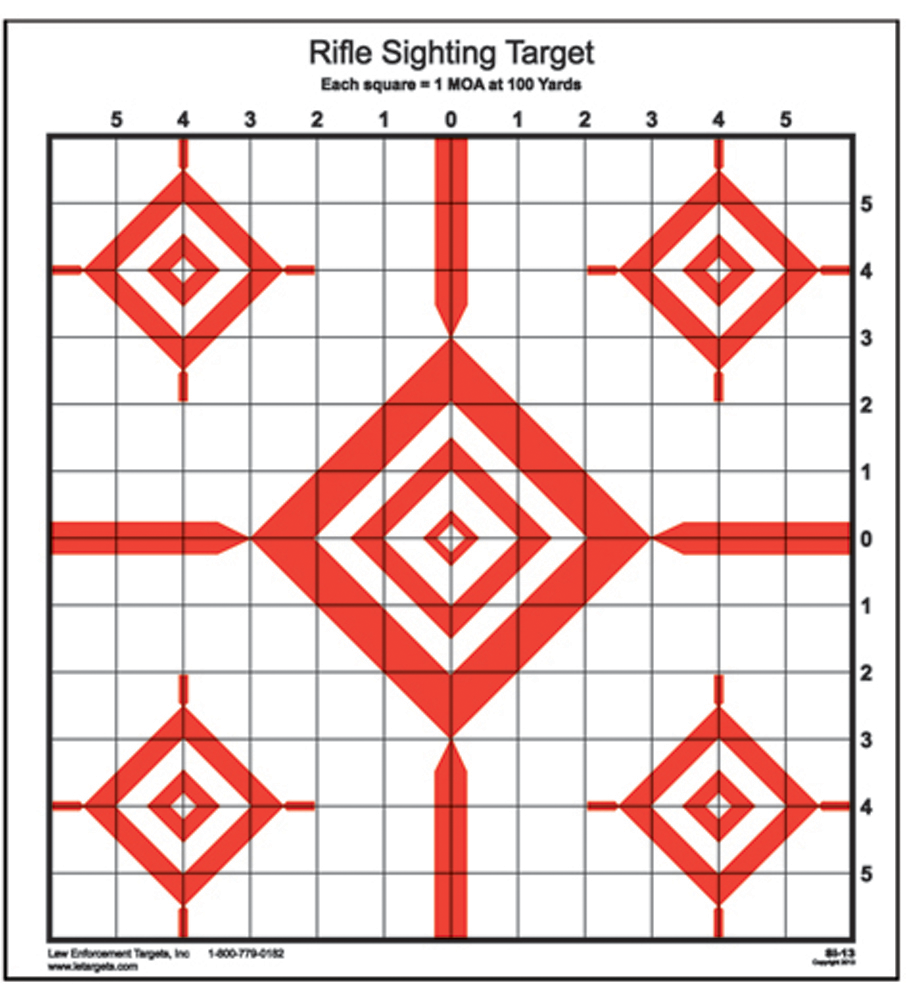
Most quality suppressors cause a slight point-of-impact shift when attached or removed – typically 1 to 2 MOA. Once mounted, they generally improve precision by reducing barrel harmonics and muzzle blast. For best results, zero your rifle with the suppressor attached and leave it on. All three models reviewed here are known for consistent, repeatable lockup that minimizes shift between removal and reinstallation.
What’s the total cost once I factor in the tax stamp and mounts?
Plan for the suppressor price plus $200 for the NFA tax stamp, plus $75 to $150 per muzzle device for each host rifle. A realistic all-in budget for a single suppressor on one rifle looks like $1,275 to $1,650. If you want to swap between multiple hosts, add the cost of additional muzzle devices accordingly.





Comments are closed.