
Quick Access Safes: Vaultek vs GunVault vs Fort Knox


When seconds matter, a gun safe that takes two minutes to open defeats its own purpose. Quick access safes are built specifically for home defense scenarios – bedside nightstands, closet shelves, and vehicle storage. The goal is simple: get your firearm out fast, keep it locked from unauthorized users, and do it reliably every single time.
This comparison focuses on three brands that consistently show up in real-world home defense setups: Vaultek, GunVault, and Fort Knox. Each takes a different approach to the same problem. Understanding those differences will help you match the right safe to your specific situation.
Vaultek Safe Review – Premium Features Explained
Vaultek has positioned itself as the high-end option in the quick access market, and the product lineup backs that up. Models like the VT20i and VT Full-Size offer biometric fingerprint scanning, Bluetooth connectivity via a smartphone app, and rechargeable lithium-ion batteries. The construction uses 16-gauge carbon steel with anti-pry reinforcements and interior LED lighting – details that matter when you are reaching for your firearm at 2 a.m.
The Bluetooth feature is worth mentioning because it is genuinely useful, not just a gimmick. You can receive tamper alerts, check battery status, and program fingerprints directly from your phone. If you already have a smart home setup, Vaultek integrates well into that environment. The tradeoff is price – Vaultek runs $150 to $350 depending on model – and a slight learning curve to get the biometric scanner calibrated correctly.
What Makes Vaultek Stand Out
- Biometric scanner supports multiple fingerprints (up to 20 on some models)
- Rechargeable battery via USB – no scrambling for a 9V in an emergency
- Anti-impact latches resist prying better than budget options
- Interior LED lighting activates on open
- Bluetooth app provides tamper alerts and usage logs
- Multiple size options – from single-pistol to multi-gun configurations
GunVault SV500 and MV500 – What You Get
The GunVault SV500 and MV500 are workhorses. They have been in the market for years, they are widely reviewed, and they do exactly what they advertise. The SV500 is the single-pistol model, while the MV500 adds slightly more interior space for a compact pistol plus a spare magazine. Both use a four-button keypad on the top lid with a drop-down drawer design that swings open quickly when the correct sequence is entered.
GunVault uses 18-gauge steel, which is thinner than Fort Knox but adequate for preventing casual access. The units run on a standard 9V battery, which is both a convenience and a minor liability – if you forget to swap it out annually, you may find a dead safe at the worst time. The price point sits in the $100 to $150 range, which makes GunVault the most accessible entry point of the three brands covered here.
GunVault Keypad – Quick Setup Notes
Setting up the GunVault keypad takes about five minutes and does not require tools or an app. You program a 4-8 button sequence and practice it until muscle memory takes over. The drop-down design is intuitive for nightstand placement since the safe can sit on a surface and swing open toward you without repositioning your hand.
Fort Knox Pistol Box – No Batteries Required
The Fort Knox Pistol Box takes a fundamentally different approach: it uses a Simplex mechanical push-button lock with no electronics, no batteries, and no Bluetooth. You press a specific combination of buttons – they can be pressed simultaneously or in sequence – and the lid springs open with a gas strut. That is the entire mechanism, and it has been working reliably for decades.
The steel is the real story here. Fort Knox uses 10-gauge steel on the body, which is significantly heavier than either Vaultek or GunVault. The lid alone weighs more than some entire budget safes. If your priority is a safe that cannot be pried open with a screwdriver and will never have a dead battery at the wrong moment, the Fort Knox Pistol Box makes a strong argument. It typically runs $200 to $280, putting it in mid-premium territory despite its mechanical simplicity.
Access Speed Tested – Which Safe Opens Fastest
In real-world testing, Vaultek biometric models are the fastest for a trained user – a clean finger scan opens the safe in roughly one second. That advantage disappears if your hands are sweaty, you present your finger at the wrong angle, or the scanner needs re-registration. Most Vaultek users set up a backup PIN for exactly this reason.
GunVault’s keypad is fast once the sequence is memorized – typically two to three seconds for a practiced user. The Fort Knox Simplex lock is slower by design, averaging three to five seconds, because the mechanical buttons require deliberate pressure. That gap sounds small, but in a high-stress scenario fine motor skills degrade quickly. Training with your specific lock mechanism matters more than which brand you choose.
Quick Checklist – Before You Buy Any Quick Access Safe
- Can you operate it one-handed in the dark?
- Have you timed yourself opening it under mild stress?
- Is the mounting hardware included and rated for the installation surface?
- Do you have a backup access method if the primary fails?
- Is the battery type easy to find locally?
- Does the interior fit your specific firearm with a light or optic attached?
- Is the lock mechanism covered by a warranty?
Build Quality Check – Steel Thickness and Locks
Steel gauge is the most objective quality metric for a quick access safe. Lower gauge numbers mean thicker steel – a fact that confuses many buyers. Here is a direct comparison:
| Brand | Steel Gauge | Lock Type | Battery |
|---|---|---|---|
| Vaultek VT20i | 16-gauge | Biometric + PIN | Rechargeable USB |
| GunVault SV500 | 18-gauge | Keypad PIN | 9V alkaline |
| Fort Knox Pistol Box | 10-gauge | Simplex mechanical | None |
Fort Knox wins the steel category decisively. The pry resistance on the Pistol Box is in a different class from the other two. Vaultek closes the gap with anti-pry bars and reinforced hinges, making it the runner-up. GunVault’s 18-gauge body is adequate for preventing opportunistic theft but would not stop a determined person with tools and time.
Common Mistakes When Choosing a Quick Access Safe
Buyers consistently make the same errors when selecting a quick access safe. Most of them come down to prioritizing features on paper over real-world usability.
- Skipping the fit test – measure your firearm with any attached accessories before ordering
- Ignoring battery maintenance – a dead 9V battery makes a keypad safe useless; set a calendar reminder to replace it every 12 months
- Over-relying on biometrics – fingerprint scanners can fail with wet, dirty, or injured fingers; always program a backup PIN
- Choosing the wrong mounting location – a safe bolted in a location that is hard to reach quickly defeats the purpose
- Buying based on price alone – the cheapest option often has thinner steel and less reliable lock mechanisms
- Not practicing – any safe requires regular practice so access becomes automatic under stress
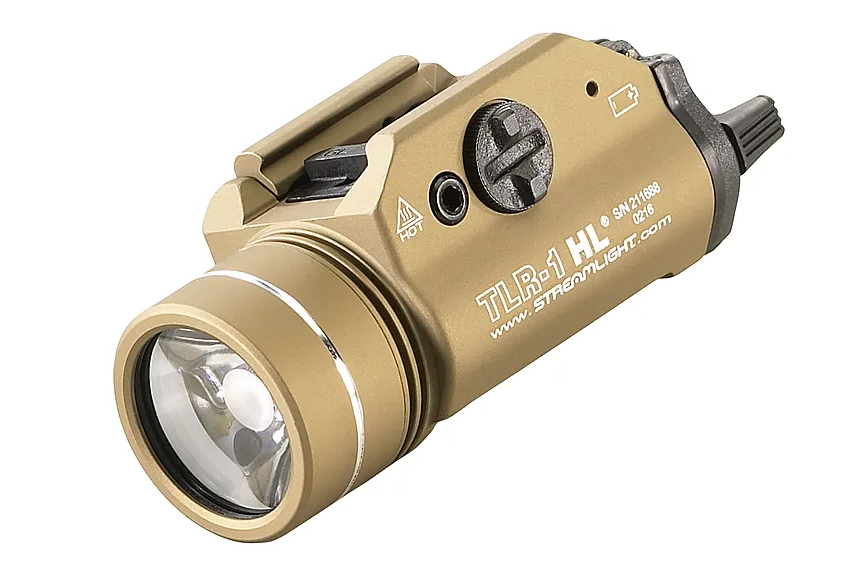
- Overlooking interior size – a compact safe that fits a bare pistol may not fit the same pistol with a weapon light mounted
Mounting and Placement Options for Each Brand
All three brands support wall mounting, under-desk mounting, and nightstand placement. Vaultek offers the most versatile mounting ecosystem, with optional car mounts, cable anchors for vehicle use, and modular mounting plates for different surfaces. If you want the same safe to move between your bedroom, home office, and vehicle, Vaultek is the easiest to adapt.
GunVault’s drop-down design works best when mounted under a desk or nightstand shelf, where the drawer swings down into open space. It can be surface-mounted, but the geometry is less natural. Fort Knox is typically placed on a surface or bolted down through pre-drilled holes in the base – it is heavy enough that it does not need to be anchored in most situations, though anchoring is always the better practice.
FAQ – Best Quick Access Safe for Home Defense
Is Vaultek worth the extra cost over GunVault?
It depends on what you value. If biometric access, Bluetooth alerts, and a rechargeable battery matter to you, Vaultek justifies the price difference. If you want a reliable keypad safe at a lower cost, GunVault performs well for most users.
Does the Fort Knox Pistol Box have any electronic backup?
No. The Simplex lock is entirely mechanical. That is a feature for some buyers and a dealbreaker for others. There are no alerts, no app, and no way to lock yourself out with a dead battery.
How often should I replace the GunVault battery?
Replace the 9V battery every 12 months regardless of whether the low-battery indicator has triggered. Most failures happen because owners wait for the warning rather than replacing on a schedule.
Can I use a quick access safe in a vehicle?
Yes. Vaultek specifically markets vehicle-ready models with cable anchors. GunVault and Fort Knox can also be used in vehicles with proper mounting hardware, though neither is purpose-built for that application. Check your state and provincial laws on vehicle firearm storage before installing any safe in a car or truck.
What is the best quick access safe for a first-time buyer?
If budget is the main concern, the GunVault SV500 is a solid starting point. If you want to invest once and not revisit the decision, the Vaultek VT20i or Fort Knox Pistol Box are both worth the additional cost for their respective strengths.
Is a biometric safe reliable enough for home defense?
Biometric safes are reliable when maintained and when a backup PIN is programmed. The common failure points are dirty sensors and poorly enrolled fingerprints. Enroll multiple fingers, keep the sensor clean, and test it monthly.
Quick Takeaways
- Vaultek is the best choice for users who want biometric speed, smart features, and multiple size options
- GunVault SV500/MV500 is the most practical entry-level option with a proven track record
- Fort Knox Pistol Box is the pick for anyone who refuses to depend on batteries or electronics
- Steel thickness matters most for pry resistance – Fort Knox leads at 10-gauge
- Practice with your specific safe regularly so access is automatic under stress
- Always program a backup access method regardless of brand
- Mounting location affects usability as much as the safe itself does




Comments are closed.