
AR-15 Stocks: Fixed vs Collapsible vs PDW


The stock on your AR-15 does more than just touch your shoulder. It controls your cheek weld, your length of pull, your recoil management, and how compact your rifle can get. Pick the wrong one and you will fight your rifle every time you shoot.
Modern shooters in the US and Canada have three main categories to choose from – fixed, collapsible, and PDW. Each solves a different problem. This article breaks down what separates them, where each type wins, and how to match a stock to the way you actually shoot.
What Makes AR-15 Stocks Different From Each Other
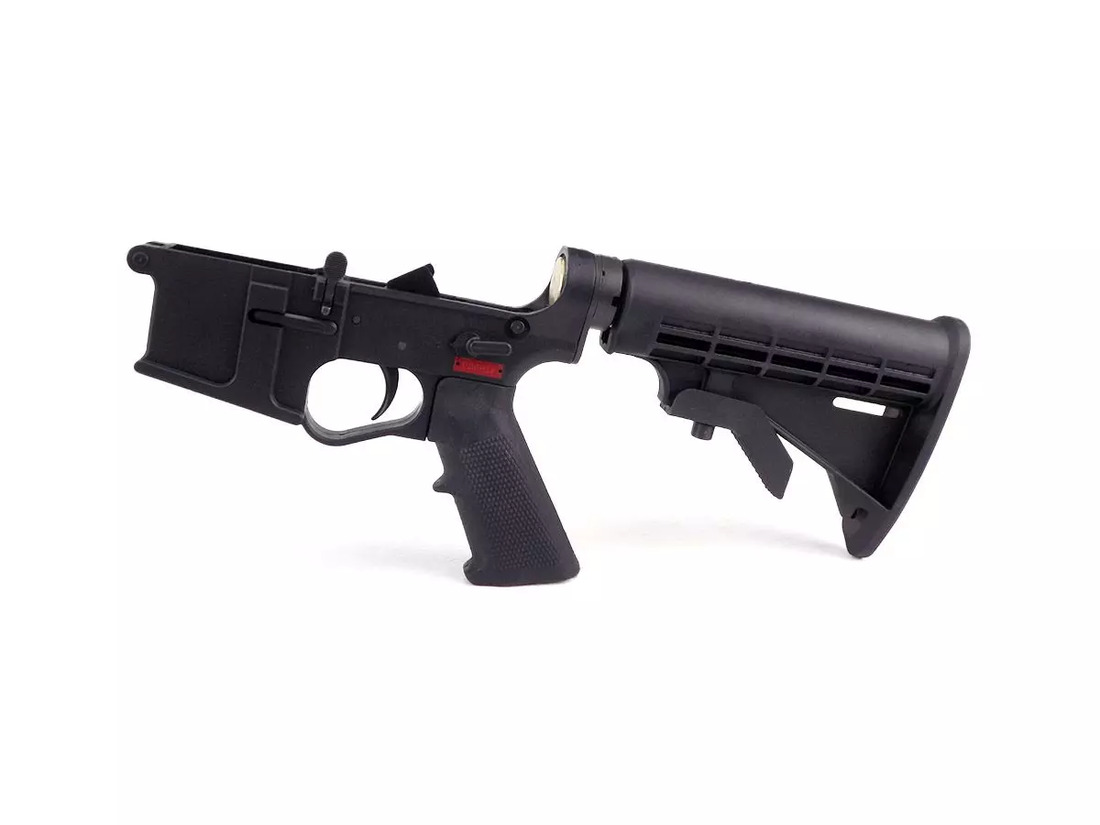
The AR-15 platform uses a buffer tube to house the recoil buffer and spring. Your stock attaches directly to that tube, which means the stock design is tied closely to the buffer system underneath it. A fixed stock locks onto a rifle-length or carbine tube with no movement. A collapsible stock slides along a mil-spec or commercial carbine tube. A PDW stock folds or telescopes in a completely different way, often using a dedicated buffer or folding mechanism to shrink the package dramatically.

Beyond how they attach, stocks differ in four ways that matter to shooters: length of pull (LOP), cheek weld quality, overall compactness, and weight. Every stock design is a trade-off across those four factors. Understanding that trade-off is the whole game when choosing between these three types.
Fixed Stocks – Stability and Precision at a Cost
What Fixed Stocks Do Best
A fixed stock does not move, and that is exactly the point. With zero play or wobble, the stock creates a rock-solid platform between your shoulder and the rifle. This is why precision shooters and competitive long-range shooters still reach for fixed stocks like the A2 buttstock or the Magpul PRS when consistency matters most. Every shot breaks from the same position, which makes reading your data and holding a zero much easier.
The A2 is the classic mil-spec option – light, simple, and durable. The PRS (Precision Rifle Stock) takes it further with adjustable length of pull and adjustable cheek riser height, giving you a custom fit without giving up rigidity. If you are building a dedicated precision rifle, a varmint setup, or a competition gun, a fixed stock deserves serious consideration.
The Downsides to Know
The obvious trade-off is that a fixed stock gives you one LOP and one cheek height (unless you go PRS-style). If the fit is off, you are stuck with it unless you change the stock entirely. Fixed stocks also run longer overall, which makes them awkward in tight spaces, vehicles, or any environment where you need to compress the rifle quickly.
Weight is another factor. A basic A2 stock is reasonably light, but premium fixed stocks like the PRS are heavy – sometimes over 1.5 lbs on their own. That weight adds up fast on a rifle you carry all day. For home defense or general-purpose use, a fixed stock often creates more problems than it solves.
Collapsible Stocks – The Most Versatile Daily Option
Why Collapsible Stocks Dominate the Market
The collapsible or telescoping stock is the most popular AR-15 stock style in North America by a wide margin – and for good reason. It gives you adjustable length of pull across multiple positions (typically 5 to 6 positions), which means one rifle can fit a wide range of shooters and layering situations. Throw on a heavy winter jacket and click it back a position. Shoot in a t-shirt and run it extended. It takes two seconds.
The M4-style stock is the baseline here, and options like the B5 Systems SOPMOD and Magpul MOE represent the modern evolution of that design. They offer solid cheek welds, reasonable weight, and wide parts availability. If you are shopping, look for features like a solid lockup with minimal wobble, a rubber buttpad with good grip, and QD sling attachment points.
Limitations of Collapsible Stocks
Collapsible stocks do introduce some wobble compared to a fixed stock. On a mil-spec buffer tube, cheaper stocks can rattle and shift under recoil, which degrades your cheek weld consistency. Better-quality stocks address this with tighter tolerances and rubber-padded lock mechanisms, so quality matters more here than in the fixed stock category.
Collapsed, a standard collapsible stock still leaves you with a fairly long rifle. It shortens the LOP significantly, but the buffer tube still sticks out behind the stock, so you are not getting a truly compact package. For most shooters doing general-purpose work, home defense, or range days, a collapsible stock hits the sweet spot between versatility and performance.
PDW Stocks – Maximum Compactness for Tight Spaces
What Makes PDW Stocks Different
PDW (Personal Defense Weapon) stocks are built around one goal: making the AR-15 as short as possible without going to a pistol brace or removing the stock entirely. Designs like the Maxim Defense CQB or similar side-folding and ultra-compact options achieve this by replacing the standard buffer tube system with a proprietary buffer or by folding the stock laterally so the rifle can be stored flat.
The result is a rifle that collapses to a dramatically shorter overall length – sometimes shaving 4 to 6 inches off what a collapsed M4 stock would give you. For SBR builds, vehicle guns, or operators working in extremely confined environments, that extra compactness is genuinely useful. If you already have an SBR registered with the ATF or you are building a pistol configuration, a PDW stock or brace can transform the handling of a short-barreled build.
What PDW Stocks Sacrifice
PDW stocks come with real compromises. The cheek weld on most PDW designs is minimal at best – the stock is so short and compact that getting a consistent, repeatable face-to-stock contact is difficult. Recoil management also suffers because you lose the leverage a longer stock provides. Shooting fast and accurately at distance is noticeably harder.
Cost is the other barrier. Quality PDW stock systems often run $200 to $400 or more, and some require dedicated lower receivers or buffer systems, adding to the overall investment. They are specialized tools, not general-purpose solutions. If compactness is not your primary mission, the premium price tag is hard to justify.

Head-to-Head – Stability, Cheek Weld, and Weight
Here is a quick comparison across the four factors that matter most:
| Feature | Fixed | Collapsible | PDW |
|---|---|---|---|
| Stability | Best | Good | Fair |
| Cheek Weld | Best | Adequate | Minimal |
| Compactness | Least | Moderate | Best |
| Weight | Mid to Heavy | Light to Mid | Lightest |
| Price Range | $30 – $300+ | $25 – $150 | $150 – $400+ |
| LOP Adjustability | None (PRS: yes) | High | Limited |
The collapsible stock wins on versatility. The fixed stock wins on consistency. The PDW stock wins on size. No single design wins across all categories, which is why many dedicated shooters own more than one upper or build separate rifles for separate purposes.
Picking the Right Stock for Your Shooting Scenario
Match the Stock to the Mission
- Precision or competition shooting – Go fixed, preferably a PRS-style with adjustable cheek riser. The stability and repeatable cheek weld will improve your consistency at distance.
- General-purpose or home defense rifle – A quality collapsible stock like the B5 SOPMOD or Magpul MOE-SL is the right call. Adjustable, reliable, and widely available.
- SBR or vehicle gun – A PDW stock makes the most sense here if you need maximum compactness and you have already handled the legal side (NFA registration in the US, applicable provincial and federal laws in Canada).
- New shooter or shared rifle – Collapsible wins easily. Multiple people with different builds can all shoot the same rifle comfortably.
Quick Checklist Before You Buy
- Does your buffer tube match the stock (mil-spec vs commercial diameter)?
- What is your primary use – range, home defense, competition, or carry?
- Do you need to fit multiple shooters or just yourself?
- Is overall rifle length a concern for storage or transport?
- What is your budget – stock only, or stock plus a new buffer system?
- Is your build an SBR, pistol, or standard rifle? (This affects legal stock options in both the US and Canada)
- Do you prioritize cheek weld or compactness more?
Common Mistakes When Choosing an AR-15 Stock
- Buying a commercial-spec stock for a mil-spec tube – The diameter difference will cause wobble or prevent the stock from fitting at all. Always confirm your buffer tube spec first.
- Choosing a PDW stock without confirming legality – In the US, a PDW stock on a rifle with a barrel under 16 inches requires NFA registration as an SBR. In Canada, regulations vary and change – always verify current federal and provincial rules before building.
- Prioritizing looks over fit – A stock that looks aggressive but fits you poorly will hurt your accuracy and comfort every single range session.
- Ignoring cheek weld – Especially on collapsible and PDW stocks, a poor cheek weld means inconsistent eye alignment, which tanks your accuracy at distance.
- Forgetting about sling attachment – Not all stocks have the same sling mount options. If you run a two-point sling, check that your stock supports it before buying.
- Going cheap on a collapsible stock – Budget collapsible stocks often have excessive play on the buffer tube. That wobble gets worse over time and affects your shooting. Spend a little more for a tighter-fitting option.
FAQ – Your Top AR-15 Stock Questions Answered
Quick Takeaways
- Fixed stocks offer the best stability and cheek weld for precision work
- Collapsible stocks are the most versatile and best for general use
- PDW stocks maximize compactness but sacrifice cheek weld and cost more
- Always confirm buffer tube spec before buying any stock
- Legal compliance matters – especially for PDW and SBR configurations
Q: What is the difference between a fixed and collapsible stock for everyday use?
A: A fixed stock gives you a locked, stable platform with no adjustability. A collapsible stock lets you change the length of pull to fit different shooters or clothing layers. For most everyday use, collapsible is more practical.
Q: What is the best AR-15 stock for home defense?
A: A quality collapsible stock works best for home defense. It lets you set a shorter LOP for maneuvering inside a home and fits multiple users. Look for a model with a solid lockup and a non-slip buttpad.
Q: Is a PDW stock worth it for a standard-length rifle?
A: Rarely. PDW stocks shine on SBRs and pistol builds where every inch matters. On a 16-inch rifle, you are paying a premium for compactness that a standard collapsible stock can largely match at a fraction of the cost.
Q: Do I need to worry about stock legality in Canada?
A: Yes. Canadian firearm regulations affect what configurations are legal, particularly for restricted and prohibited classifications. Always verify current federal and provincial rules before modifying your rifle’s stock or overall length.
Q: What is a mil-spec vs commercial buffer tube?
A: Mil-spec tubes have a slightly smaller diameter and are the industry standard. Commercial tubes are slightly larger with a different taper. Most quality aftermarket stocks are mil-spec. Confirm which spec your lower receiver uses before ordering a stock.
Q: Can I switch stocks without special tools?
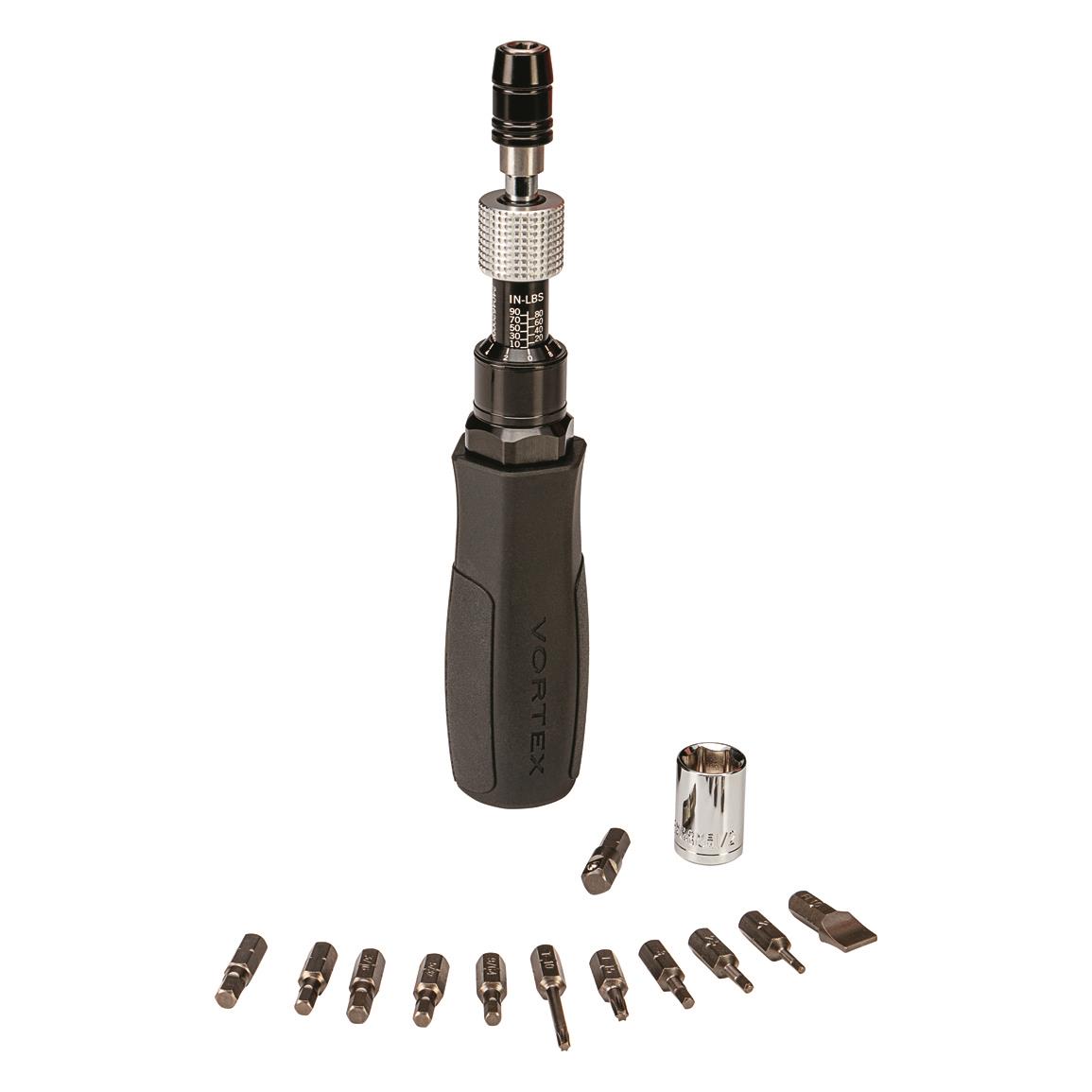
A: In most cases, yes. Swapping a collapsible stock typically requires only a castle nut wrench and an armorer’s block. PDW systems can be more involved depending on the design, especially if they use a proprietary buffer or receiver extension.





Comments are closed.