

Description
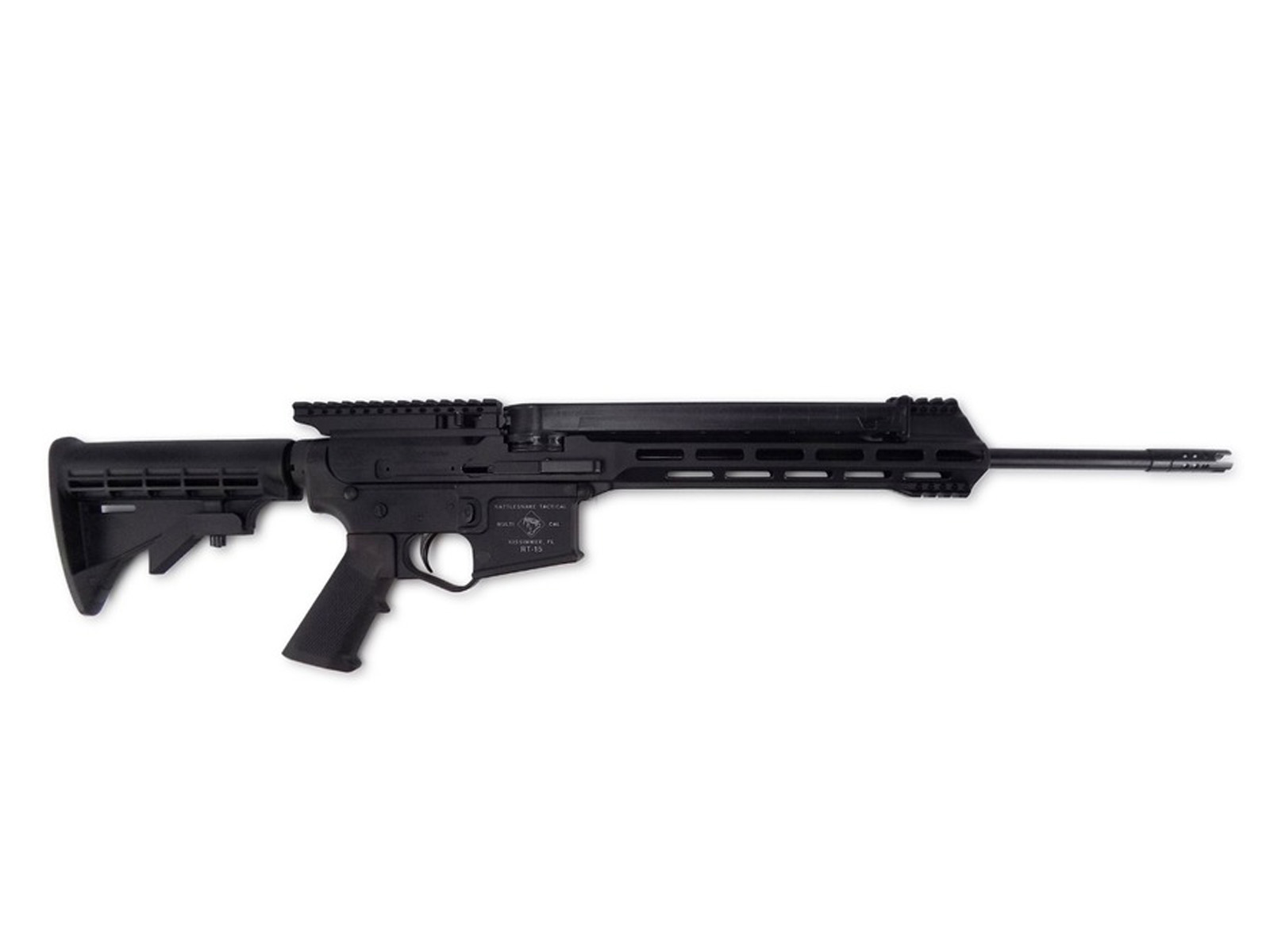
Springfield Armory Saint 5.56 NATO 16″ 30+1
Key Specs at a Glance
- Caliber: 5.56 NATO (also accepts .223 Remington)
- Barrel Length: 16 inches
- Magazine Capacity: 30+1 rounds
- Action: Semi-automatic, direct impingement AR-15 platform
- Weight: Approximately 6.9 lbs unloaded
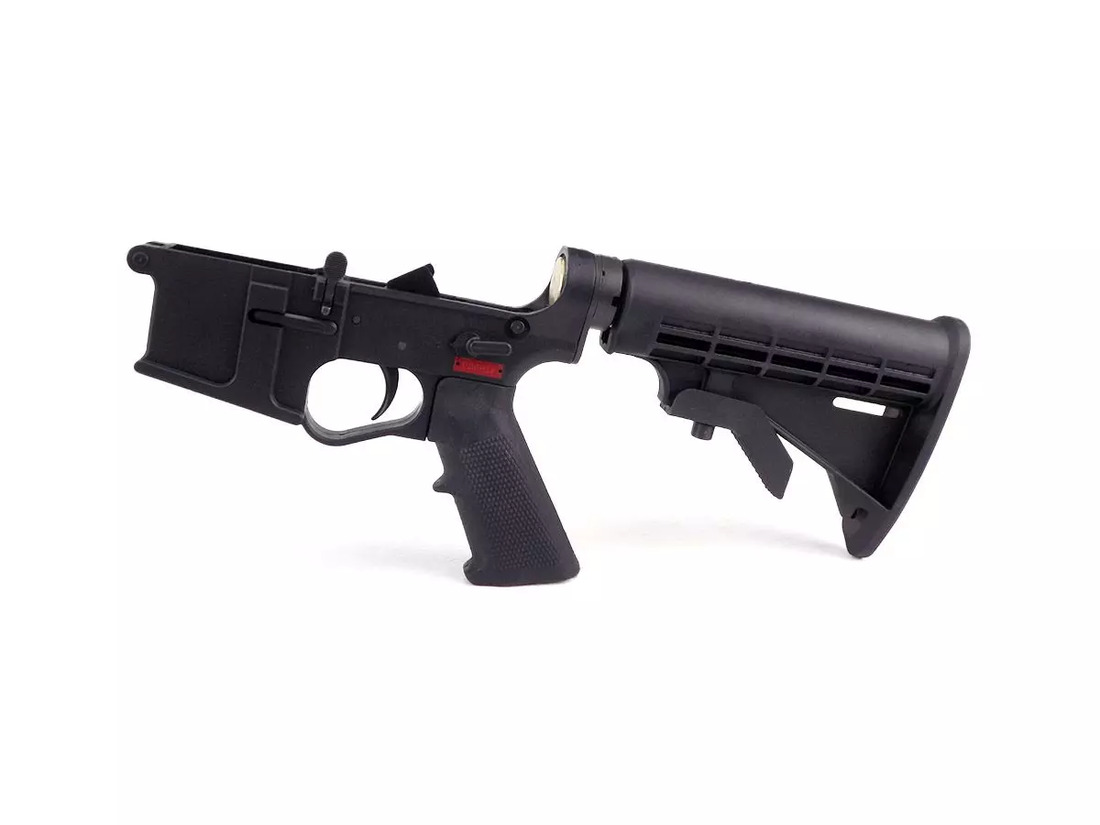
- Stock/Furniture: Bravo Company BCM Gunfighter pistol grip and stock
- NFA Status: Non-NFA, Title I firearm, ships direct to FFL
You put in the research, saved up the budget, and you want a reliable AR-15 that doesn’t punish you for buying it. The problem is that the market is flooded with budget builds that rattle apart after a few hundred rounds and overpriced names that charge you for a logo. Finding something in the middle, a rifle that actually ships with quality components and holds up over time, takes more work than it should.
The Springfield Armory Saint 5.56 NATO 16″ 30+1, priced at $1,054.49, answers that frustration directly. Springfield built the Saint series to give shooters a factory AR-15 that doesn’t need an immediate parts upgrade out of the box. It chambers 5.56 NATO and .223 Remington, fits the standard AR-15 platform, and ships with name-brand furniture most builders would choose themselves.
Performance Breakdown
Reliability and Gas System: The Saint runs a mid-length direct impingement gas system on the 16-inch barrel. Mid-length systems reduce felt recoil compared to carbine-length setups and put less stress on the bolt carrier group over extended shooting sessions. Springfield pairs this with a nickel boron coated bolt carrier group, which runs cleaner and resists fouling better than a standard phosphate BCG. That matters when you’re pushing through a range day without constant cleaning breaks.
Build Quality: Springfield didn’t cut corners on the furniture. The Saint ships with a Bravo Company BCM Gunfighter pistol grip and a BCM stock, both components that AR builders frequently pay extra to add themselves. The forged 7075-T6 aluminum upper and lower receivers are standard for the platform but correctly executed here. The Melonite treated barrel adds corrosion resistance and surface hardness, which extends barrel life especially if you shoot steel-cased ammunition occasionally.
Accuracy and Handling: The 16-inch Melonite barrel delivers consistent performance at practical carbine distances, with most shooters reporting sub-2 MOA groups from a supported position using quality ammunition. The mid-length gas system keeps the muzzle rise manageable and follow-up shots feel predictable. At approximately 6.9 lbs unloaded, the Springfield Armory Saint balances well for both bench work and dynamic shooting. The included flip-up rear sight and low-profile gas block leave the full rail open for optics without fighting a fixed front sight tower.
Modularity: The Saint uses a standard AR-15 mil-spec pattern, so every aftermarket component you’d want, triggers, handguards, stocks, and grips, fits without gunsmithing. Springfield ships it with a 10-inch M-LOK handguard that gives you attachment points for lights, lasers, and grips without adding unnecessary weight. You’re not locked into Springfield’s ecosystem.
Pros
- Ships with genuine BCM furniture, not generic OEM plastic that needs replacing
- Mid-length gas system reduces recoil and carrier group wear compared to carbine-length alternatives
- Nickel boron BCG runs cleaner and is significantly easier to wipe down after a range session
- Melonite barrel treatment improves corrosion resistance and extends service life
- Full mil-spec AR-15 compatibility means zero restrictions on aftermarket upgrades
Cons
- At $1,054.49, it sits above entry-level AR-15 pricing and requires a real budget commitment
- No optic included, so budget an additional $100 to $400 for a red dot or LPVO on top of the rifle price
- The trigger is functional but unremarkable; competitive shooters will likely want an aftermarket upgrade
- Heavier than some comparable rifles in this price range due to the standard forged receiver set
Who Should Buy This
The Springfield Armory Saint 5.56 NATO 16″ 30+1 is a strong fit for the first-time AR-15 buyer who wants to skip the budget tier entirely and get something they won’t outgrow in a year. It also suits the home defense buyer who wants a reliable, low-maintenance rifle that works without tuning. Experienced shooters looking for a solid base rifle to build on will appreciate the mil-spec compatibility and the quality starting point Springfield provides.
Who Should Skip This
If you’re already an experienced AR builder with a parts bin and a preferred trigger and BCG, you’re paying for components you’d swap out anyway. You’d be better served buying a stripped lower and building exactly what you want. Budget-focused buyers who need a functional rifle under $700 should also look elsewhere since this price point doesn’t make sense if the BCM furniture and Melonite barrel aren’t priorities for you.
How It Compares
Knowing where the Springfield Armory Saint sits against the competition helps you spend your money with confidence rather than regret.
Smith and Wesson M&P15 Sport II (approximately $700 to $800):
The M&P15 Sport II undercuts the Saint on price by a meaningful margin and is a proven, reliable platform. It wins on affordability and availability. The Saint wins on out-of-the-box component quality, specifically the BCM furniture and nickel boron BCG, which the Sport II does not include. The Sport II suits buyers on a strict budget; the Saint suits buyers who want to skip the first round of upgrades entirely.
Ruger AR-556 (approximately $750 to $850):
The Ruger AR-556 is a well-built, no-frills rifle that competes closely with the Saint on reliability. Ruger wins on price and a slightly lighter overall weight. The Springfield Armory Saint wins on furniture quality and the Melonite barrel treatment. The AR-556 is a better pick for a shooter who just wants a simple, durable rifle with no extras; the Saint is better for someone who values the premium starting components.
Daniel Defense DDM4 V7 (approximately $1,800 to $2,000):
The DDM4 V7 is a significant step up in price and in manufacturing precision. Daniel Defense wins on mil-spec tolerance tightness and long-term durability under hard use. The Springfield Armory Saint wins on value per dollar for a shooter who doesn’t need a duty-grade rifle. The DDM4 suits serious competitors or professionals; the Saint suits everyone else at this price point.
What the decision comes down to is how much you value out-of-the-box component quality versus raw price or top-tier manufacturing.
FAQ
Q: Can the Springfield Armory Saint shoot both .223 Remington and 5.56 NATO?
A: Yes. The Saint’s chamber is cut to 5.56 NATO spec, which safely accepts both 5.56 NATO and .223 Remington ammunition. Do not run this in reverse: a .223 Remington-spec chamber should not fire 5.56 NATO loads due to higher pressure.
Q: Does the Saint use standard AR-15 mil-spec parts for upgrades and replacements?
A: Yes. The Saint is built on a standard mil-spec AR-15 pattern. Triggers, stocks, handguards, grips, and bolt carrier groups from any mil-spec compatible manufacturer will fit without modification or gunsmithing work required.
Q: Is the Springfield Armory Saint an NFA item, and do I need special paperwork to buy it?
A: No NFA paperwork required. The Saint is a standard Title I semi-automatic rifle with a 16-inch barrel and a full-length stock. It transfers like any other rifle through a licensed FFL dealer with a standard background check.
Q: How loud is the Saint without a suppressor, and is hearing protection required at the range?
A: Absolutely yes, hearing protection is required. Unsuppressed 5.56 NATO from a 16-inch barrel produces approximately 165 to 167 decibels at the shooter’s ear. That exceeds safe exposure levels instantly. Always use ear protection, and consider a suppressor if you shoot frequently indoors or in enclosed spaces.
Q: Is the Saint worth $1,054.49 compared to a cheaper AR-15 around $700?
A: It depends on what you value. At $700 you get a functional rifle with basic components. The Saint at $1,054.49 includes BCM furniture, a nickel boron BCG, and a Melonite barrel that would cost $200 to $300 to add separately to a budget build. The math is close to even on total cost.






Reviews
There are no reviews yet.