
Hunting with E-Bikes: Real-World Tips from a Seasoned Hunter 2026


I’ve been using an e-bike for several seasons now, and I’ll tell you straight – it’s a game changer. I used to hike 5-6 miles with a heavy pack, or roar through the woods on a noisy ATV and spook every deer within earshot. Now it’s quiet, efficient, and far more enjoyable. But it hasn’t all been smooth sailing. I’ve learned tough lessons the hard way. Below is my real-world experience – no hype, just what works (and what nearly got me in trouble).
🚲 Why E-Bikes Are Perfect for Hunting
Stealth and Silence
Animals hardly even raise their heads. No exhaust smell, no engine noise. I shot my first deer off an e-bike in an area where ATVs were banned. Walking would have cost me two hours. On the bike, I got there in 20 minutes and still had energy to spare (then, in that region, there was no restriction on e-bike access; now I always check MVUM maps and BLM/USFS rules first – see also my Legal Guide 2026).
Reaching Remote Ground
I’m able to scout three or four plots in a single day that I never would’ve reached on foot. The farther you get from the trailhead, the more relaxed the animals are. It’s like having stealth wheels. But keep in mind: not all remote trails permit e-bike traffic. In some USFS zones, those trails are strictly off-limits for motorized use.
Saving Your Legs
Hauling a bull out used to nearly kill me. Now, I hitch up a trailer and ride home. Yes, it’s tiring, but not brutal. What used to force me to limp out, I now pedal out with strength left over. Just be aware: some areas regulate trailer use – especially in protected land – so always double-check local rules ahead of time.
Choosing the Right e-Bike for Hunting (My Hard-Won Lessons)
- Motor Type & Power
Do yourself a favor and go mid-drive. Better balance, better torque, and more control uphill with a load. I aim for at least 750 W and around 80 Nm of torque. Anything less will leave you spinning in mud under load. Be cautious: upping motor output or removing speed limiters may reclassify your e-bike as a moped in certain jurisdictions. - Battery Capacity
I stick with 500-750 Wh units. But once you factor in towing, rugged terrain, and cold, your effective range drops by 30-40%. Always carry a second battery or a fast charger if you’ve got generator support. - Frame Strength & Suspension
Loaded, I’m often pushing 250 lbs total (me + gear + game). My first couple of hunts were on a hardtail bike. After one brutal trip over rocky ridges, I upgraded to full suspension. It’s a difference you feel every mile. Make sure the frame is rated for at least 350-400 lbs gross weight. - Tires Matter
Fat tires – 4” minimum – are nonnegotiable. Mud, snow, sand, rock – there’s no substitute. I’ve ridden slick, skinny tires before. I’ll never do that again.
My Hunting Setup
- Bike: Mid-drive 750 W with dual 17 Ah batteries.
- Trailer: Rungu Deer Cart – I comfortably hauled ~200 lbs on tough terrain.
- Bags: A frame bag and rear rack so my backpack stays light.
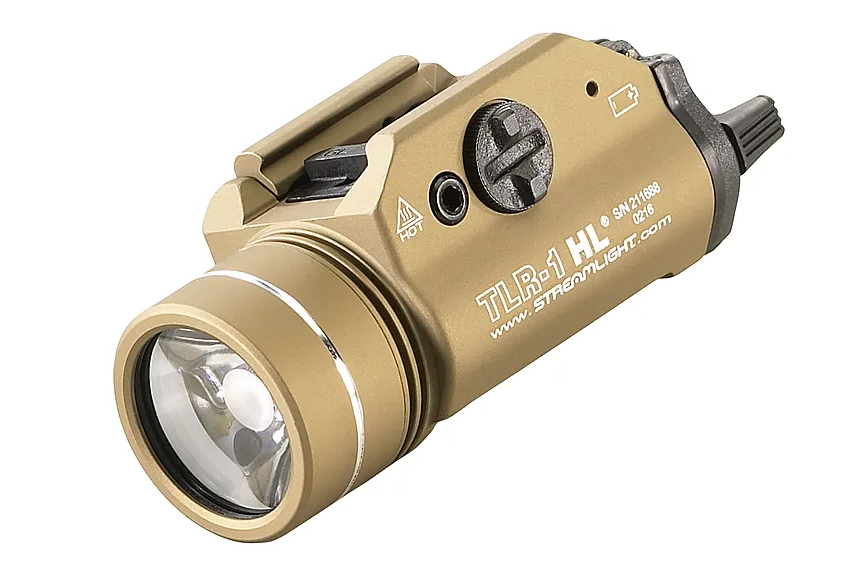
- Lighting: A strong handlebar light and rear blinker for dark starts.
(Note: some federal lands restrict travel before sunrise – double-check regulations.)
Pitfalls and Close Calls (What I Nearly Paid For)
- Weight Trouble
My e-bike itself weighs ~75 lbs. When a fallen tree blocks the trail, you’re lifting the whole rig. I always carry a folding saw. - Cold Battery Loss
In freezing temps I’ve seen 20-30% loss in battery capacity. Now I keep my spare tucked in an insulated sleeve in my backpack. - Skimping on Maintenance
One time I skipped a post-mud ride cleanup. On a downhill I lost a front brake. With trailer full and speed rising, I nearly wiped out. Don’t skip washes, chain lube, brake checks. - Price Tag & ROI
A quality hunting e-bike costs $3,000-5,000. But over seasons I’ve saved gasoline, pickup maintenance, and the toll on my knees. The math works if you ride smart and ride often.
Route Planning & Logistics
- Map First, Ride Later
Start by checking MVUM maps and local travel maps for your area. Just because a trail exists on Google Maps doesn’t mean you’re allowed to ride it. Rules shift midseason. - Charge Prep
Full charge both batteries. Inspect all power connectors. - Load Smart
Distribute weight – trailer holds heavy stuff, bike rack or frame bag holds the rest. Don’t overload the handlebars. - Plan B Strategy
If your battery dies, be ready to pedal. But if you’re on federal land, even “just riding” outside allowed routes can get you fined. Always carry maps, permits, and your hunting license.
Tips That Come from Experience
- Treat your e-bike like your hunting horse, not a toy. Ride it heavy, ride it steep, and you’ll learn where its limits are.
- Practice loaded riding, braking with weight, controlling balance with a trailer on. Don’t wait for the season to test it.
- Stay on top of updates. What was legal last year might be off-limits now. I always recheck MVUM and land agency notices before each hunt.
Hunter’s E-Bike Checklist (Print This Before You Go)
| ✔ | Item | Why It Matters |
|---|---|---|
| Land manager | BLM, USFS, state, or private | Who enforces the rules |
| MVUM / maps (offline) | Must carry backup | Digital maps can fail |
| Motor power ≤ 750W | Legal threshold in many places | Overpowering may reclassify bike |
| Charged batteries + spare | Don’t get stuck | |
| Trailer / bags check | Secure load, balanced | Avoid tipping or straining bike |
| Bike inspection | Brakes, tires, chain, suspension | Prevent failure in the field |
| Route & return time | Don’t overcommit | Leave buffer for delays |
| Communication / permits | For law enforcement | Proof you belong there |
Final Word
An e-bike isn’t a novelty – it’s a powerful hunting tool if you respect its limits and the land. Choose your kit wisely, scout regulations before you ride, maintain your gear religiously, and you’ll bring home more game and memories.
Link to legal reference article:
Hunting E-Bike Legal Guide 2026
Note: This article is written for winter 2026. E-bike regulations evolve rapidly. What’s legal this season might be prohibited next. Always recheck MVUM maps, BLM/USFS updates, and state Fish & Game regulations before heading out.




Comments are closed.