
Tikka T3x vs Bergara B-14 vs Savage 110: The Sub-$1000 Precision Rifles


Precision rifles used to mean spending $2,000 or more before you even touched a scope. That changed over the last decade, and today three rifles dominate the conversation for shooters who want genuine accuracy without a second mortgage – the Tikka T3x, the Bergara B-14, and the Savage 110. Each one sits under the $1,000 mark at most retailers, and each one is legitimately capable of sub-MOA performance right out of the box.
The real question is not whether these rifles are accurate. They are. The question is which one fits your shooting style, upgrade path, and how you plan to use it. This article breaks down each platform honestly so you can make a smart decision instead of a regrettable one.

Tikka T3x: Smooth Action and Guaranteed Accuracy
The Tikka T3x is built in Sako’s Finnish factory, and it shows. The action is famously smooth – often compared to rifles costing twice as much. Tikka backs it with a factory sub-MOA accuracy guarantee, which is rare at this price point and means something when you are trying to hold a manufacturer accountable.
The T3x comes in a modular synthetic stock that accepts optional accessories like a vertical grip adapter or widened forend. The bolt lift is short and crisp, the recoil lug is solid, and the detachable magazine system works reliably in the field. If you are prioritizing a polished, ready-to-shoot experience with minimal fuss, the T3x is the easiest recommendation in this group.
What Makes the T3x Stand Out
- Sub-MOA accuracy guarantee from the factory – in writing
- Smooth bolt action that feels broken-in from day one
- Modular stock system for easy customization
- Available in a wide range of calibers from 223 Rem to 300 Win Mag
- Detachable single-stack magazine standard on most models
Bergara B-14: Spanish Barrels Meet 700 Footprint
Bergara is a Spanish barrel manufacturer that decided to build complete rifles, and it paid off. The B-14 series uses Bergara’s own cold hammer-forged barrels – the same technology used in much more expensive custom builds. The result is a rifle that punches well above its price class in raw barrel quality.
The biggest strategic advantage of the B-14 is its Remington 700 footprint. The action dimensions are compatible with the massive aftermarket ecosystem built around the Model 700, which means stocks, chassis systems, triggers, and scope bases designed for the 700 will generally fit the B-14. If you plan to build this rifle up over time, that compatibility is worth real money.
Savage 110: AccuTrigger Value and Barrel Nut System
The Savage 110 is the value leader in this comparison, and it earns that title honestly. Savage’s AccuTrigger system is adjustable down to around 1.5 pounds without requiring a gunsmith, which is a significant advantage for precision shooting. A clean, light trigger has a direct impact on accuracy, and Savage built one in at the base price.
The barrel nut system Savage uses is unconventional but functional. It allows the barrel to be headspaced and swapped without specialized tooling, which lowers the cost of a future rechamber or barrel replacement. The action itself is not as slick as the Tikka, and the factory stocks on entry-level 110 models are workable but not impressive. However, the bones of this rifle are strong, and the price-to-performance ratio is hard to argue with.
Head-to-Head Accuracy: Sub-MOA Results Compared
All three rifles are genuinely sub-MOA capable with quality ammunition. The Tikka T3x is the most consistent out of the box – its factory guarantee reflects what most owners actually experience. Groups in the 0.5-0.75 MOA range with match ammunition are common reports from T3x owners shooting factory loads.
The Bergara B-14 competes closely, and the quality of the barrel often shows at longer distances where barrel consistency matters more. The Savage 110 can absolutely shoot sub-MOA, but results are more ammunition-dependent. Finding the right load for a Savage sometimes takes more range time, but once you dial it in, the accuracy holds.
Quick Checklist: Before You Expect Sub-MOA Groups
- Use quality ammunition – factory match or hand loads with consistent components
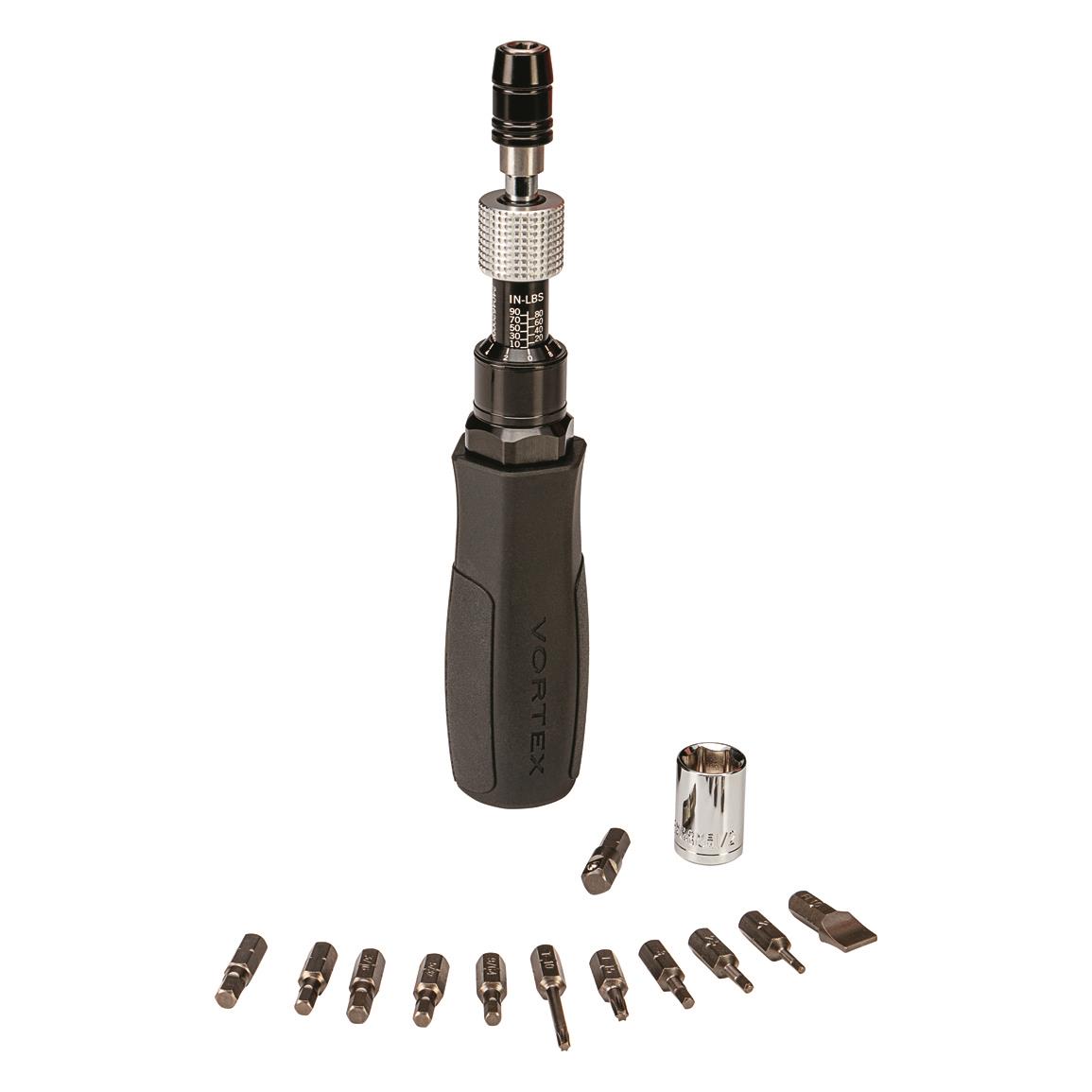
- Torque your scope rings and bases to spec
- Let the barrel cool between groups to eliminate heat mirage
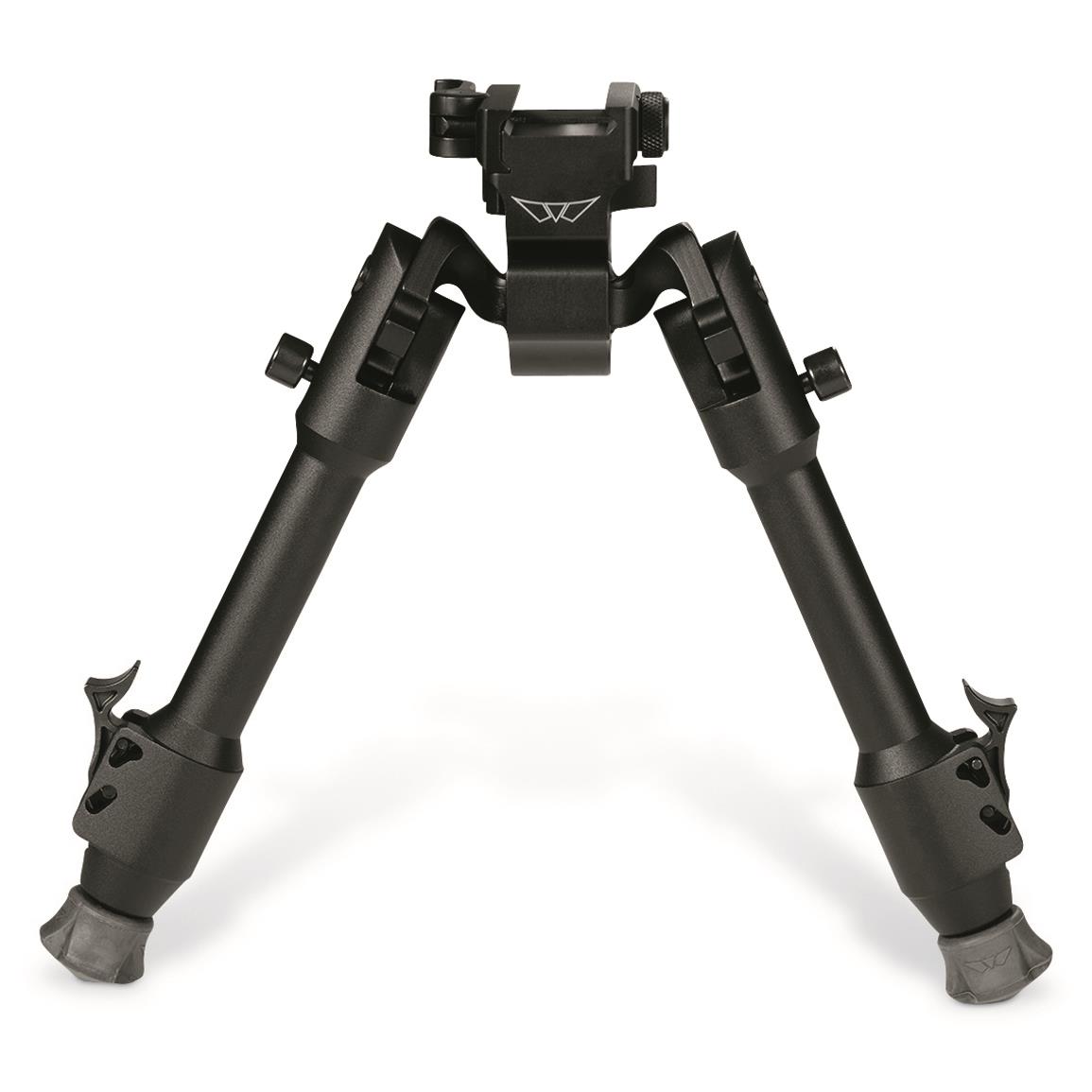
- Shoot from a stable rest or bipod, not a bag-only setup
- Clean the bore before your first accuracy session with a new rifle
- Check action screws are torqued evenly to manufacturer specs
- Allow at least 20 rounds for a new barrel to settle
Trigger and Action Feel Across All Three Rifles
The Tikka T3x has the best factory trigger in this comparison. It is not adjustable without aftermarket parts, but it does not need to be – the factory pull is clean, consistent, and typically breaks between 2 and 3 pounds with minimal creep. The action feed is equally impressive, cycling rounds with a smoothness that feels more like a $2,000 rifle.
The Bergara B-14 uses a two-stage trigger that is good but not exceptional. It is adjustable for pull weight within a range and feels better than the Savage out of the box for most shooters. The Savage AccuTrigger is adjustable and genuinely useful, but the overall action feel is rougher than either competitor. If you are the kind of shooter who will install an aftermarket trigger anyway, the Savage’s starting point matters less.
Stock Upgrades and Aftermarket Support Breakdown
The Bergara B-14 wins the aftermarket support category by a wide margin, specifically because of the Remington 700 footprint. Chassis systems from companies like MDT, Magpul, and KRG – all designed around the 700 – will fit the B-14. That opens a huge world of precision shooting platforms without needing a custom fit.
The Tikka T3x aftermarket has grown substantially in recent years. Stocks from companies like Boyds and chassis from MDT now support the T3x action directly. The Savage 110 has some aftermarket support, but it is thinner than either competitor, and the non-standard action dimensions limit your options. If you are buying this rifle with a long-term build in mind, factor that in early.
Stock Upgrade Priority by Use Case
- Hunting: Factory synthetic stocks on all three are adequate – save the money
- Precision/PRS shooting: B-14 with a 700-pattern chassis is the fastest path
- Long-range target: T3x with an MDT chassis is a clean, growing option
- Budget build: Savage 110 with a Boyd’s stock is a cost-effective improvement
Common Mistakes When Buying Budget Precision Rifles
Buying a sub-$1,000 precision rifle is a smart move, but there are a few ways to undercut that decision from the start.
- Skimping on the optic – A $200 scope on a sub-MOA rifle wastes the rifle’s capability. Budget at least as much for glass as the rifle itself
- Ignoring caliber selection – Buying 300 Win Mag when you need 308 Win for your range distances adds cost and recoil without benefit
- Expecting zero work – Even the best factory rifle benefits from a proper scope mount, torque check, and a few rounds to find its preferred load
- Overlooking the aftermarket plan – If you want to chassis-build later, buy the B-14 now instead of retrofitting a Tikka or Savage
- Buying on action feel alone – A smooth bolt is satisfying, but barrel quality and trigger matter more for actual accuracy
- Ignoring caliber availability – In 2024, 308 Win and 6.5 Creedmoor are the easiest to find at reasonable prices; exotic calibers can leave you dry
- Skipping a break-in protocol – Some barrels benefit from a cleaning-heavy break-in period, especially hammer-forged barrels like the Bergara
FAQ: Tikka T3x vs Bergara B-14 vs Savage 110
Which is the most accurate out of the box?
The Tikka T3x is the most consistently accurate factory rifle in this group, backed by a written sub-MOA guarantee. The Bergara B-14 is a close second with excellent barrel quality. The Savage 110 can match both but often requires more load development to get there.
Is the Bergara B-14 really compatible with Remington 700 parts?
Yes, for the most part. The B-14 uses a 700-pattern footprint, so stocks, chassis, and many aftermarket triggers designed for the 700 will fit. Always verify fit before purchasing – some tight-tolerance chassis may need minor fitting.
What caliber should I buy for a first precision rifle?
6.5 Creedmoor is the most practical choice for most new precision shooters in the US and Canada. It has low recoil, excellent long-range ballistics, and wide availability. 308 Win is a solid second option with even broader ammo availability and a proven track record.
Is the Savage 110 worth buying over the Tikka or Bergara?
If budget is the primary concern or you plan to install an aftermarket trigger anyway, yes. The Savage 110 is a genuine performer at its price point. If you want the best out-of-box experience and can spend a little more, the Tikka T3x edges it out.
How important is the AccuTrigger on the Savage 110?
Very important. The AccuTrigger is one of the best factory-adjustable triggers in this price range. Being able to set pull weight without a gunsmith visit is a real advantage, especially for precision shooting where trigger consistency directly affects group size.
Can these rifles be used for hunting and long-range target shooting?
All three can do both. The Tikka T3x in a lighter configuration is an excellent hunting rifle. The Bergara B-14 HMR variant is purpose-built for long-range target work. The Savage 110 line includes hunting and tactical variants. Match the specific model to your primary use case rather than buying a single rifle and forcing it to do everything.
Quick Takeaways
- The Tikka T3x is the best all-around out-of-box precision rifle under $1,000
- The Bergara B-14 offers the best upgrade path thanks to its 700 footprint
- The Savage 110 is the best value if you prioritize adjustable trigger and barrel swap flexibility
- All three are sub-MOA capable – ammunition selection matters as much as the rifle
- Budget for quality optics before you budget for rifle upgrades
- 6.5 Creedmoor and 308 Win remain the most practical caliber choices for both markets
- Buy for your long-term plan, not just today’s budget




Comments are closed.