
Waterfowl Hunting Essentials: $800-$1,200 Starter Kit

Waterfowl hunting separates itself from other hunting styles through one unavoidable reality – you’ll be cold, wet, and sitting still before sunrise. Without the right gear, your first season becomes your last season. The good news is that you don’t need a $5,000 setup to hunt ducks and geese successfully, but you also can’t cheap out on gear that keeps you dry and functional.
The $800-$1,200 range hits a practical sweet spot for new waterfowl hunters. This budget covers a reliable shotgun, chest waders that won’t leak, a basic decoy spread, and weather gear that actually works. Skip the bargain-bin equipment that fails in November rain, but avoid the premium gear designed for guides who hunt 100 days per season. This article breaks down exactly where your money should go and why each piece matters when you’re sitting in a layout blind at 20 degrees.

Why $800-$1,200 Hits the Waterfowl Sweet Spot
Going cheaper than $800 forces compromises that ruin hunts. Budget waders spring leaks after a few outings, cheap decoys look lifeless in real conditions, and bottom-tier shotguns malfunction in cold weather. Waterfowl hunting puts gear through extreme tests – freezing rain, muddy water, constant movement, and temperature swings from predawn cold to midday sun. Equipment that works fine at a sporting clays course often fails when you’re wading through a marsh at 4:30 AM.
The upper end of this range – around $1,200 – gets you field-proven gear without paying for features you won’t use yet. Professional guides need decoys that last 10 seasons and waders that handle daily abuse, but beginners hunt 10-20 days per year. You’re buying reliability and functionality, not commercial-grade durability. This budget also leaves room to expand your decoy spread and upgrade specific items as you learn what your local hunting conditions actually demand.

Your Priority List: Shotgun, Waders, Decoys
Your shotgun takes the biggest chunk of this budget, typically $400-$600 for a reliable pump-action 12-gauge. A pump-action shotgun handles dirty conditions better than semi-autos at this price point and cycles reliably in freezing weather. Look for a 28-inch barrel with interchangeable chokes – modified and improved cylinder cover most waterfowl situations. The gun should feel balanced when you mount it quickly, since most duck shots happen fast at birds working decoys.
Chest waders come next at $150-$250 for quality neoprene or breathable options. Cheap waders leak at the seams after minimal use, leaving you soaked and hypothermic. Neoprene waders work well for cold-weather hunting and provide insulation, while breathable waders suit early-season conditions or active hunting that involves lots of walking. Check the boot quality – attached boots should have good ankle support and tread for muddy banks. If you’re hunting in Canada or northern US states where temperatures regularly drop below freezing, prioritize neoprene thickness over breathability.

Quick checklist: Core gear allocation
- Shotgun: $400-$600 (pump-action 12-gauge)
- Chest waders: $150-$250 (neoprene for cold climates)
- Decoy spread: $100-$200 (one dozen minimum)
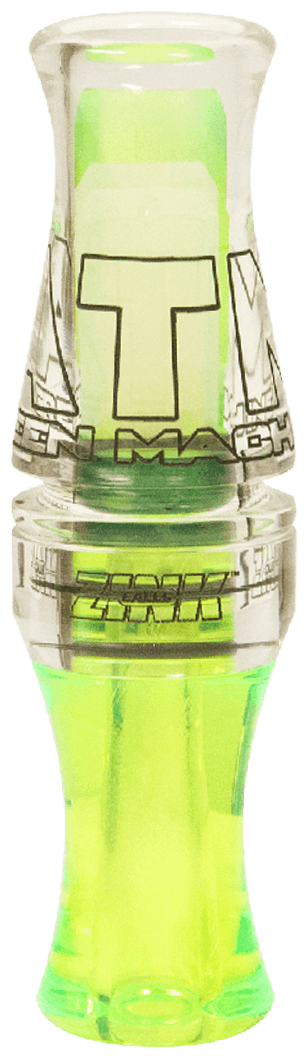
- Calls: $30-$60 (duck and goose basic calls)
- Weather clothing: $150-$250 (jacket, gloves, hat)
- Ammunition: $50-$80 (steel shot, 2-3 boxes)
Building a Functional Decoy Spread on Budget
Start with one dozen duck decoys rather than trying to build a massive spread immediately. Quality matters more than quantity when you’re learning to hunt. Look for decoys with realistic paint patterns and proper weight distribution that keeps them upright in wind. A basic spread should include mallard drakes and hens, since mallards are the most widespread ducks across North America. Add a few pintails or teal if those species are common in your area.

Spend $100-$200 on your initial dozen decoys and focus on durability over ultra-realistic details. Beginners often can’t tell the difference between $15 and $40 decoys, but ducks can spot decoys that sit wrong in the water or show unnatural movement. Include at least one motion decoy – either a jerk cord system or battery-powered spinner – since movement attracts passing birds more than static spreads. You’ll expand this spread over time as you learn which species frequent your hunting spots and how birds respond to different setups.
| Gear Category | Budget Range | Priority Level |
|---|---|---|
| Shotgun | $400-$600 | Critical |
| Waders | $150-$250 | Critical |
| Decoys (1 dozen) | $100-$200 | High |
| Weather jacket | $80-$150 | High |
| Calls | $30-$60 | Medium |
| Gloves/hat | $40-$60 | Medium |
Weather Gear That Won’t Fail in the Blind
A quality waterfowl jacket runs $80-$150 and represents the difference between hunting all morning or quitting after an hour. Look for waterproof outer shells with sealed seams, not water-resistant coatings that fail in steady rain. The jacket should have a hood that fits over a beanie, deep pockets for calls and shells, and enough room to layer underneath. Camo pattern matters less than functionality – ducks key on movement and silhouette more than specific patterns.

Gloves and headwear often get overlooked until you’re sitting motionless in 25-degree weather. Budget $40-$60 for insulated, waterproof gloves that still allow trigger feel and shell manipulation. Neoprene gloves work well for wet conditions, while insulated synthetic gloves suit dry cold. A quality face mask or neck gaiter prevents heat loss and conceals your face when birds are working. Canadian hunters should prioritize heavier insulation given the longer, colder season, while southern US hunters can get by with lighter layers and focus on rain protection.
Common Mistakes New Waterfowl Hunters Make
New hunters consistently make these errors that waste money or end hunts early:
- Buying too many decoys initially – Start with one dozen quality decoys rather than three dozen cheap ones that look fake
- Skipping practice with calls – Waterfowl calls require technique; bad calling flares birds away from your spread
- Choosing waders by price alone – Leaky waders end your season; this isn’t the place to save $50
- Ignoring local regulations – Steel shot requirements, bag limits, and species restrictions vary significantly by state and province
- Hunting without scouting – Ducks and geese follow patterns; random spots rarely produce consistent action
- Overdressing for weather – Excessive layers cause overheating during setup and retrieval, leading to sweat and chill
- Neglecting shotgun fit – A gun that doesn’t mount naturally causes missed shots no matter how much you spent
FAQ
Can I start waterfowl hunting with a 20-gauge shotgun?

Yes, especially for ducks. A 20-gauge handles most duck hunting situations adequately with proper loads. It won’t be ideal for large Canada geese at distance, but it works fine for learning and keeps recoil manageable. If you already own a 20-gauge, use it for your first season before investing in a 12-gauge.
Do I need different gear for field hunting versus water hunting?
Field hunting requires less emphasis on waterproofing but demands better concealment since birds approach from higher altitudes. You’ll still want chest waders for wet fields and marshes, but layout blinds become more important than boat blinds. The core gear remains the same – adjust your setup based on whether you’re hunting flooded timber, open water, or grain fields.
How much ammunition should I budget for my first season?
Plan for 2-3 boxes of steel shot (25 rounds per box) to start, around $50-$80 total. Steel shot costs more than lead but is required for waterfowl across North America. You’ll use more shells than you expect while learning to lead flying birds, so budget accordingly. Practice at the range before season to understand how steel patterns differ from lead.
Should I buy used gear to stretch my budget?

Shotguns and calls work fine used if they’re in good condition. Avoid used waders unless you can test them thoroughly – hidden leaks are common. Used decoys are excellent budget options since wear patterns actually make them look more realistic. Check local hunting forums and end-of-season sales for deals on quality used gear.
What’s the minimum decoy spread that actually works?
Six to twelve decoys will work for ducks in most situations, especially on small water or tight spots. Geese typically require larger spreads, but you can hunt successfully over 18-24 goose decoys. Quality placement and location matter more than quantity – a dozen decoys in the right spot outperforms 50 decoys where birds don’t want to be.
Do I need a hunting dog for waterfowl?
No, though a retriever certainly helps. Many successful waterfowl hunters operate without dogs, especially when hunting shallow water or field edges where downed birds are easy to retrieve. Budget for a good pair of chest waders and plan your shots over areas you can access. A dog becomes valuable as you advance and hunt deeper water or heavy cover.
Quick takeaways
- Prioritize waterproof reliability over premium features when allocating your $800-$1,200 budget
- Start with core essentials – functional shotgun, leak-proof waders, one dozen quality decoys
- Weather gear prevents early exits – a good jacket and gloves keep you hunting when conditions get tough
- Build your spread gradually – learn what works in your area before expanding decoy numbers
- Practice calling and shooting before season opens to avoid wasting expensive hunting time
- Scout your hunting areas to understand where birds feed and rest in your region
- Factor in ammunition costs and licensing fees when planning your total investment
Setting up for waterfowl hunting with an $800-$1,200 budget gives you everything needed for a successful first season without overspending on gear you don’t understand yet. Focus your dollars on items that keep you dry and functional – quality waders, a reliable shotgun, and weather gear that handles real conditions. Your decoy spread will grow over time as you learn which species frequent your hunting areas and how they respond to different setups.
The biggest advantage of starting at this budget level is room to adapt as you gain experience. You’ll discover whether you prefer field hunting or water hunting, which species you target most often, and what gear actually matters in your local conditions. Buy quality items that won’t fail when you’re two miles from the truck in freezing rain, practice with your calls and shotgun before opening day, and remember that location and timing matter more than having the fanciest equipment in the marsh. Get out there, stay warm and dry, and let the birds teach you what upgrades make sense for season two.




Comments are closed.