
.22 LR vs .17 HMR for Small Game: Which Reigns Supreme?


Rimfire hunting is enjoying a genuine renaissance. More hunters than ever are discovering – or rediscovering – the satisfaction of pursuing squirrels, rabbits, and prairie dogs with lightweight rifles and inexpensive ammunition. Whether you grew up plinking cans with grandpa’s bolt action or you just picked up your first rimfire last season, the question eventually lands in your lap: 22 LR or 17 HMR?
These two cartridges represent very different philosophies packed into small brass cases. The 22 Long Rifle is the most produced cartridge in history – quiet, cheap, and endlessly versatile. The 17 Hornady Magnum Rimfire is the flashy newcomer that screams downrange at blistering velocity with laser-flat trajectory. Choosing between them is not about which is “better” in the abstract. It is about matching the right tool to the game you hunt, the terrain you hunt it in, and how you like to shoot. Let’s break it down honestly.

Why These Two Rimfire Rounds Still Dominate
The 22 LR has been putting meat on tables and keeping barns free of pests since the 1880s. Its longevity is not an accident. Ammunition is available at virtually every gas station, hardware store, and sporting goods counter in North America. A brick of 500 rounds can cost less than a decent lunch, and the mild report makes it suitable for properties where noise is a concern. Subsonic loads push that advantage even further, keeping things neighbor-friendly while still being lethal on squirrels and rabbits inside 50 yards.
The 17 HMR arrived in 2002 and immediately carved out a niche among varmint hunters who needed more reach. Launching a 17-grain polymer-tipped bullet at roughly 2,550 feet per second, it shoots remarkably flat and hits with authority well past the distances where a 22 LR starts lobbing. For open-field work on prairie dogs, ground squirrels, and other small varmints, the 17 HMR changed the game. It is still a rimfire – meaning lightweight rifles, modest recoil, and relatively affordable shooting – but it performs closer to a small centerfire in terms of trajectory and terminal effect.
Quick Ballistics Check – .22 LR vs .17 HMR
Numbers tell a clearer story than marketing copy. Here is a side-by-side snapshot using common hunting loads for each cartridge.
| Spec | 22 LR (36-gr HP) | 17 HMR (17-gr V-Max) |
|---|---|---|
| Muzzle velocity | ~1,260 fps | ~2,550 fps |
| Energy at muzzle | ~127 ft-lbs | ~245 ft-lbs |
| Energy at 100 yds | ~72 ft-lbs | ~143 ft-lbs |
| Drop at 100 yds (50-yd zero) | ~7 inches | ~1 inch |
| Wind drift at 100 yds (10 mph crosswind) | ~6 inches | ~3 inches |
| Cost per round (approx.) | $0.06-$0.12 | $0.25-$0.40 |
The difference in trajectory is dramatic. At 100 yards, a 22 LR requires significant holdover while the 17 HMR is still practically point-and-shoot. Wind drift tells a similar story – the faster, higher-BC bullet of the 17 HMR simply cuts through breeze more efficiently. But look at that cost column. You can shoot four to five rounds of 22 LR for every single 17 HMR trigger pull. Over a long afternoon of prairie dog shooting, that adds up fast.
Energy numbers also matter for ethical kills. The 22 LR delivers enough punch for squirrels and rabbits at moderate range, but it fades quickly past 75 yards. The 17 HMR retains meaningful energy past 150 yards, making it the clear choice when shots stretch out across open ground.
Matching the Right Cartridge to Your Game
Squirrels, Rabbits, and Close-Cover Hunting
If your primary quarry is tree squirrels or cottontail rabbits in wooded terrain, the 22 LR is hard to beat. Most shots happen inside 50 yards. Subsonic hollow points minimize meat damage while still being reliably lethal with good shot placement. The quiet report is a real tactical advantage – you can often take multiple squirrels from the same stand before the woods go silent. For hunters who want to preserve as much meat as possible, a solid-point 22 LR at moderate velocity is the gold standard.
Prairie Dogs, Ground Squirrels, and Open-Field Varmints
Shift the scene to a prairie dog town where shots routinely stretch from 75 to 175 yards, and the 17 HMR takes over. Its flat trajectory means less guessing on holdover, and the explosive polymer-tipped bullets deliver dramatic terminal performance on small-bodied varmints. You are not saving the meat here – you are managing pest populations – so the violent expansion is actually a benefit. The 22 LR can work at these distances in calm conditions, but the required holdover and vulnerability to wind make consistent hits far more difficult.
Field Accuracy Tips for Rimfire Hunters
Quick Checklist for Better Rimfire Accuracy
- Test multiple ammo brands – rimfire rifles are notoriously picky about which loads they prefer
- Zero your scope at a practical distance – 50 yards for 22 LR, 100 yards for 17 HMR
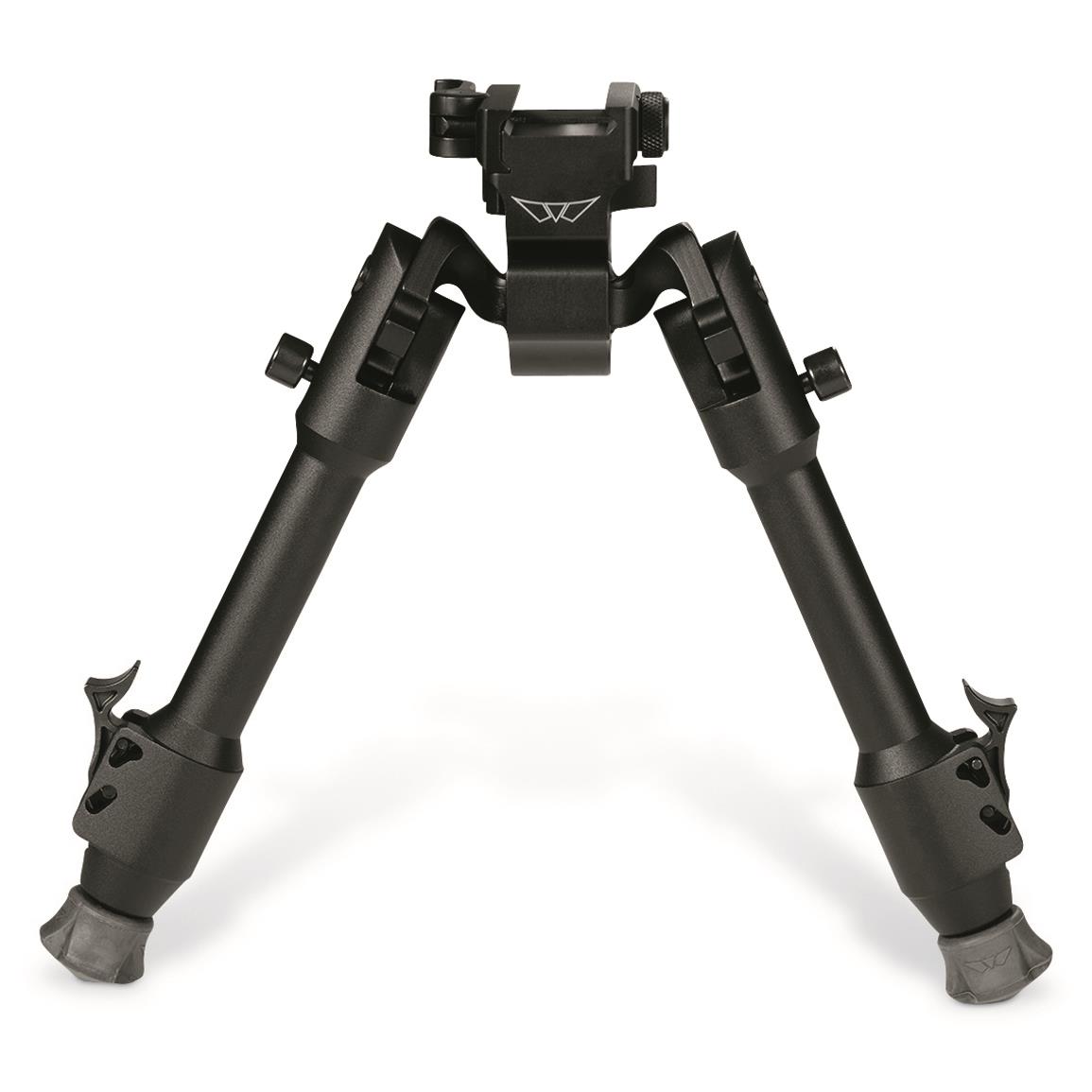
- Use a solid rest whenever possible – bipods, shooting sticks, or a pack draped over a log
- Learn your specific holdover at 25-yard increments rather than relying on generic charts
- Keep your barrel clean but not obsessively so – rimfire accuracy often improves after a few fouling shots
- Track wind by watching grass, leaves, or mirage through your scope
- Squeeze the trigger smoothly – rimfire cartridges have longer lock times than centerfires, making flinch more punishing
- If you are shopping for optics, look for a scope with an adjustable objective or side-focus parallax down to 25 yards
Rimfire accuracy in the field is more about fundamentals than equipment. A $300 bolt-action 22 LR with good ammo will outshoot a $900 semi-auto fed bulk pack every single time. The same principle applies to the 17 HMR – match your rifle to quality ammunition and practice from realistic field positions, not just the bench.
One often-overlooked factor is temperature sensitivity. Rimfire priming compounds and propellants can behave differently in cold Canadian winters versus warm southern summers. If you hunt across seasons, spend a few rounds confirming your zero when conditions change significantly. A simple upgrade like a quality trigger – if your rifle supports aftermarket options – can also make a noticeable difference in practical accuracy.
Common Mistakes Rimfire Hunters Make
Even experienced shooters slip into bad habits with rimfire cartridges. Here are the most common errors that cost hunters clean kills and wasted ammo:
- Overestimating 22 LR range – taking 100-yard shots on squirrels with a cartridge that drops seven inches and drifts six inches in wind is a recipe for wounding
- Underestimating 17 HMR ricochet risk – the high velocity and light bullet can produce unpredictable ricochets off rocks, frozen ground, and water surfaces
- Using bulk ammo for hunting – cheap 22 LR target loads often lack the expansion needed for clean kills on game; spend a few extra cents per round on proper hollow points
- Ignoring barrel fouling in 17 HMR rifles – the small bore diameter fouls faster than a 22 LR; accuracy can degrade noticeably after 50-80 rounds without cleaning
- Skipping a proper zero check – rimfire point of impact can shift when switching between ammo brands or even lot numbers
- Shooting 17 HMR at extremely close range on edible game – the explosive expansion at close distances destroys far more meat than necessary
- Neglecting hearing protection – the 17 HMR is significantly louder than a standard-velocity 22 LR and can cause hearing damage without ear protection
Safety deserves emphasis here. Both cartridges can travel well over a mile under the right conditions. Always confirm your backstop, know what lies beyond your target, and follow all local hunting regulations regarding rimfire use on specific game species.

Quick Takeaways
- Choose the 22 LR for squirrels, rabbits, close-range pest control, noise-sensitive areas, and budget-friendly shooting
- Choose the 17 HMR for prairie dogs, ground squirrels, longer-range varmint work, and open-terrain hunting
- The 22 LR costs roughly one-quarter what the 17 HMR costs per round
- The 17 HMR shoots flatter, hits harder, and resists wind better past 75 yards
- Neither cartridge is a responsible choice for coyotes except in rare close-range circumstances with perfect shot placement
- For a first rimfire hunting rifle, the 22 LR offers more versatility and lower cost of entry
- If you already own a 22 LR and want to extend your varmint range, adding a 17 HMR makes a great complement rather than a replacement
FAQ – .22 LR vs .17 HMR for Small Game
Is the 17 HMR worth the extra cost over 22 LR?
It depends on your hunting scenario. If you regularly shoot varmints past 75 yards in open country, the 17 HMR’s flat trajectory and wind resistance justify the higher ammo price. For woods hunting on squirrels and rabbits under 60 yards, the 22 LR does the job for a fraction of the cost.

What is the effective range of 22 LR for small game?
Most experienced hunters limit 22 LR shots on squirrels and rabbits to 50-75 yards. Beyond that distance, bullet drop and wind drift make consistent head or vitals shots unreliable. With match-grade ammo from a quality rifle, skilled shooters can stretch to 100 yards in calm conditions – but that is the practical ceiling for ethical hunting.
Can I use 17 HMR for squirrel hunting?
You can, but the explosive bullets destroy a lot of meat at typical squirrel-hunting distances. If you want to try it, look for 17 HMR loads with a jacketed hollow point rather than a polymer tip – they expand less violently. Body shots will still cause significant damage on a small animal like a squirrel.
Which rimfire is best for a beginner hunter?
The 22 LR wins for beginners. Ammunition is cheap enough to allow extensive practice, recoil is virtually nonexistent, and the noise level is manageable. It also teaches range estimation and wind reading because you must account for those variables – skills that transfer directly to larger calibers later.
Is 17 HMR loud enough to require hearing protection?
Yes. The 17 HMR produces a sharp crack noticeably louder than standard-velocity 22 LR. Prolonged shooting without hearing protection will cause cumulative damage. Even in the field, consider using electronic ear protection or foam plugs – especially during extended varmint sessions where you may fire dozens of rounds.

Can either cartridge be used on coyotes?
Neither is ideal. The 17 HMR can kill a coyote with a precise head or neck shot at close range, but it lacks the energy for reliable body shots. The 22 LR is even less suitable. For coyotes, a centerfire like the 223 Rem is a far more ethical and effective choice. Check your local regulations – some jurisdictions prohibit rimfire cartridges for predator-sized animals.





Comments are closed.