
GPO Centuri 4-16x44i


The GPO Centuri 4-16x44i FFP Super-Compact is built for shooters who want real dialing and hold capability in a short footprint – without turning a lightweight rifle into a long, front-heavy rig. GPO lists it at 9.9 inches long with a first focal plane MIL reticle, 0.1 mrad clicks, Zero-Stop Lock turrets, and side parallax (10 yards to infinity). That is a lot of “precision behavior” in an under-10-inch scope.
This is a Product Overview – what the scope is, who it fits, and what to expect in real use. If you want the full family breakdown, jump to the Centuri lineup guide linked below.
Quick answer
- Best fit: compact bolt guns, suppressed rigs, short MSR builds, and hunters who want FFP MIL dialing in a lightweight package.
- Main advantage: feature density – FFP MIL + locking zero-stop turrets + parallax – in a 9.9-inch body.
- Realistic magnification window: 4-12x for most shooting – 16x when conditions and stability allow.
- Main limitation: compact optics have less forgiveness – eye relief and eyebox demand better mounting and consistent head position.
What it is – and who it’s for
Think of this scope as a compact “dial and hold” tool. The first focal plane MIL reticle keeps subtensions true at any magnification, and the turret system is built for repeatable elevation work – but the overall package stays short enough to make sense on rifles that actually get carried.
This is a smart pick if you want to practice real long-range fundamentals (parallax, holds, dialing, data confirmation) without moving into full-size heavy optics. It is a weaker pick if you want an ultra-wide, close-quarters style optic – 4x is usable, but it is not an LPVO.
Key specs that actually matter
- Magnification / objective: 4-16x / 44 mm
- Length / weight: 9.9 inches / 20 oz
- Tube: 30 mm
- Reticle: MIL-FFP illuminated (iCONTROL)
- Clicks: 0.1 mrad
- Turrets: ZeroStop Locking Reset, with rotation indicator
- Parallax: 10 yards to infinity (side turret)
- Eye relief: 3.75 inches
Real-world performance notes
Where it shines
- Compact precision: you get true MIL workflow (FFP + 0.1 mrad) without a long scope hanging off the rifle.
- Dialing confidence: locking zero-stop turrets are there for shooters who actually return to zero and run dope.
- Parallax control: the 10-yard-to-infinity range is useful for rimfire trainers, close-range steel, and sharp focus at distance.
- Balanced magnification: 4x is workable for general hunting and field shooting, while 12-16x is there for target detail and careful placement.
Where the limits show up
- 16x is not “free”: mirage, wobble, and a tighter eyebox decide how much you actually see.
- FFP reality: at 4x the reticle can look finer than SFP hunting reticles – that is normal for FFP and not a defect.
- Compact mounting quirks: the short body often forces ring placement choices you do not face with longer scopes – mount height and eye relief need to be done carefully.
Exit pupil in plain language
Exit pupil is objective diameter divided by magnification. It explains why “more magnification” can look worse instead of better.

- 44 mm at 4x: 11.0 mm – bright, forgiving, fast.
- 44 mm at 10x: 4.4 mm – the practical “money zone” for a lot of shooting.
- 44 mm at 16x: 2.75 mm – usable, but pickier on head position and low-light comfort.
Practical takeaway: if the image gets worse as you zoom, back down until it is crisp again – you will spot and shoot faster.
Reticle, turrets, and parallax – what you will actually use
- FFP MIL reticle: holds stay true at any magnification – that is the whole point for practical long-range work.
- 0.1 mrad turrets: built for real dialing and clean corrections. If you live in MIL, this is the correct language.
- Zero-stop locking system: the benefit is simple – fewer “lost zero” mistakes when you run elevation.
- Parallax: use it like a focus tool first – sharp image and consistent head position matter more than chasing a perfect yardage number.
Setup tips that make the biggest difference
- Mount height: prioritize a solid cheek weld. Repeatable head position beats “lowest rings possible.”
- Eye relief first: compact scopes can feel “short.” Set it safely for your recoil level before you torque anything.
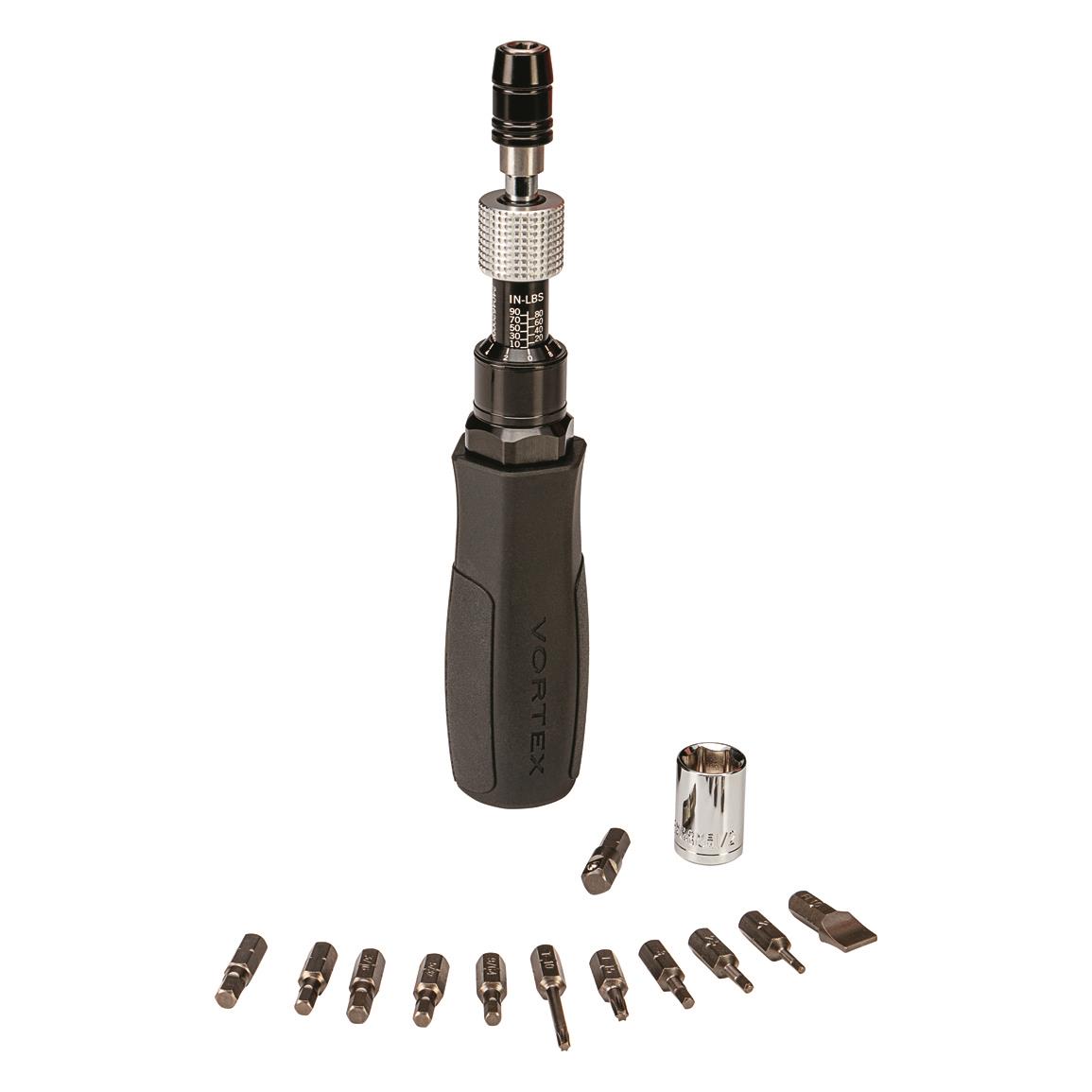
- Torque discipline: follow ring and base specs. Over-tightening dents tubes and creates problems that look like “bad tracking.”
- Level the reticle: if you dial or use holds, a canted scope turns simple elevation into weird misses.
- Confirm zero-stop: set your zero, set your stop, then verify with a quick up-and-back test before you trust it.
Warranty (U.S.) – the part buyers should actually read
GPO USA backs optics bought in the United States with their Spectacular Lifetime Warranty for the optic, and lists 5-year coverage for electronic components. The practical takeaway is simple – this is not a “disposable” import scope situation. Warranty support is one of the confidence points for the brand.
Competitor context
These are spec-adjacent scopes that fill a similar role. They are not “the same scope” – they are the most common comparison points for an FFP 4-16-ish class with dialing features.
| Model | Why it’s comparable | Typical market range | Price tier |
|---|---|---|---|
| Lower-priced alternatives | FFP and exposed turrets – usually less refined glass/mechanics for the money. | ||
| Primary Arms SLx 4-16×44 FFP | Feature-heavy entry-level precision scope, popular “first FFP” buy | $250-$450 | Lower-priced |
| Athlon Argos BTR 4-14×44 FFP | Budget FFP with a reputation for workable tracking | $300-$450 | Lower-priced |
| Same-class alternatives | Similar job – different tradeoffs in reticle, turrets, and optical tier. | ||
| Vortex Diamondback Tactical 4-16×44 FFP | Common baseline in this class – simple, widely supported, easy to find | $350-$550 | Same-class |
| Higher-tier alternatives | More money – often better low-light comfort, mechanics, and durability margin. | ||
| Leupold Mark 3HD 4-12×40 | More premium build approach – different magnification/role balance | $600-$900 | Higher-tier |
Product notice
The GPO Centuri 4-16x44i FFP Super-Compact makes the most sense when you want compact rifle balance but still demand FFP MIL behavior, parallax control, and a locking zero-stop turret system. Expect a clean, capable optic that rewards correct mounting and consistent head position. If your primary need is ultra-fast close-range work, an LPVO will usually fit better. If your primary need is constant high-magnification bench shooting, a larger objective and a longer scope body can be more forgiving.
Related
See the full family breakdown here: GPO Centuri Rifle Scope – Expert Lineup Review & Buyer’s Guide.





Comments are closed.