
7mm PRC Long-Range Target Shooting: Getting Started

7mm PRC Long-Range Target Shooting: Getting Started
The 7mm PRC has quickly become a favorite among long-range shooters, and for good reason. This relatively new cartridge offers an exceptional balance of flat trajectory, manageable recoil, and impressive downrange energy that makes it ideal for precision shooting at extended distances. Whether you’re interested in competitive shooting or simply want to challenge yourself at the range, the 7mm PRC provides an excellent platform for developing long-range skills without the punishing recoil of larger magnums.
Getting started in long-range shooting can feel overwhelming with all the gear, data, and techniques involved. This guide will walk you through the essential steps to begin your journey with the 7mm PRC, from finding a suitable facility to understanding the fundamentals of wind reading and ballistic data. With the right approach and consistent practice, you’ll be connecting with targets at 600 yards and beyond sooner than you might think.
Finding a Long-Range Facility for 7mm PRC
The first challenge many aspiring long-range shooters face is simply finding a place to shoot at extended distances. Most standard rifle ranges max out at 100 or 200 yards, which won’t allow you to fully explore the capabilities of your 7mm PRC. Start by searching online for "long-range shooting" or "precision rifle" facilities in your area, and check forums like Sniper’s Hide or the Long Range Hunting forum where shooters often share information about local ranges. Many states have public land where long-range shooting is permitted, though you’ll need to verify regulations and ensure you have adequate backstops and safety zones.
If you’re fortunate enough to have multiple options, look for facilities that offer steel targets at various distances, ideally from 300 yards out to 1,000 yards or more. Some ranges provide covered shooting positions, wind flags, and even coaching services that can accelerate your learning curve significantly. Membership-based precision rifle clubs often have the best facilities and the added benefit of experienced shooters who can mentor you. Don’t overlook the value of attending a long-range shooting course or clinic—these events are often held at excellent facilities and provide structured instruction that can save you months of trial and error.
Understanding Ballistic Data and DOPE Cards
Ballistic data is the foundation of successful long-range shooting, and understanding it doesn’t require a degree in physics. At its core, you need to know how much your bullet drops at various distances and how much the wind will push it off course. Modern ballistic calculators and smartphone apps like Applied Ballistics, Strelok Pro, or Hornady 4DOF make this process straightforward—you input your rifle’s specifications, the ammunition you’re using, and environmental conditions, and the app provides firing solutions. For the 7mm PRC shooting a 180-grain bullet at around 2,950 fps, you’re looking at approximately 6-7 MOA of drop at 600 yards and roughly 20-22 MOA at 1,000 yards, though your specific rifle and load will vary.
A DOPE card (Data On Previous Engagement) is your personalized cheat sheet that records your actual field-verified data for different distances. While ballistic calculators give you a starting point, real-world shooting conditions often require slight adjustments from the theoretical data. Your DOPE card should include elevation and windage adjustments for each distance you commonly shoot, along with notes about environmental conditions. Start by confirming your 100-yard zero, then work outward in 100 or 200-yard increments, recording the exact dial adjustments needed to center hits on target. Over time, this card becomes invaluable, especially when shooting in conditions similar to those when you developed your data.
Essential Gear Beyond Your Rifle and Scope
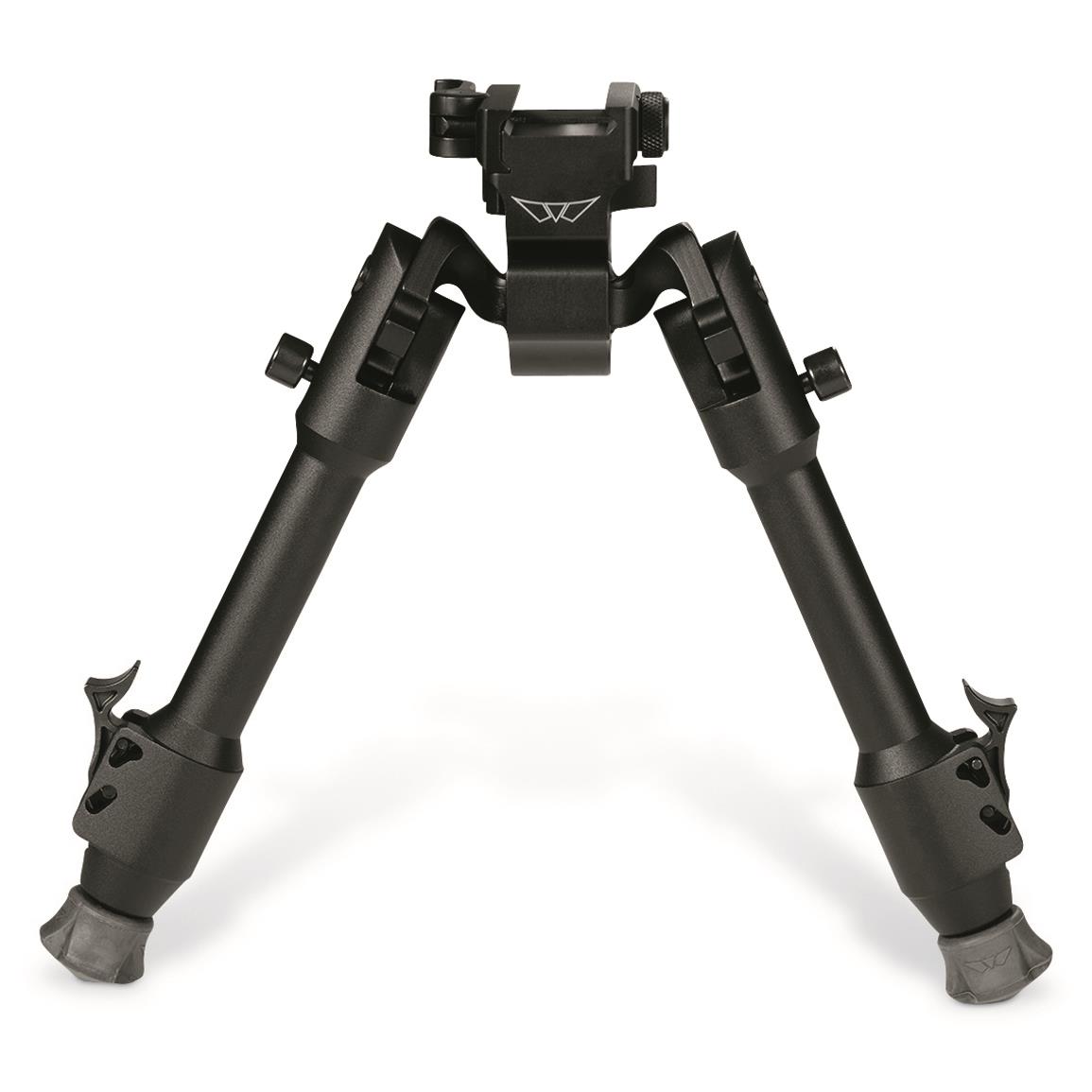
While your 7mm PRC rifle and quality optic form the core of your long-range setup, several additional items are practically mandatory for serious distance work. A solid bipod is essential—brands like Atlas, Ckye-Pod, or even a well-made Harris bipod will provide the stable shooting platform you need. Equally important is a rear bag or small shooting bag to support the buttstock, allowing you to fine-tune your elevation and maintain a stable position. A quality rangefinder with angle compensation is non-negotiable for unknown distance shooting, with models from Leica, Sig Sauer, or Vortex offering excellent performance at various price points.
Environmental monitoring equipment will significantly improve your hit probability at distance. A Kestrel weather meter with Applied Ballistics integration can measure wind speed, temperature, barometric pressure, and humidity, then feed that data directly into ballistic calculations. At minimum, you’ll want a simple wind meter and thermometer. Don’t forget the basics: a good shooting mat makes prone shooting much more comfortable during long practice sessions, quality hearing protection is essential, and a sturdy spotting scope allows you to see impacts and make corrections without walking downrange. Finally, invest in a reliable notebook or use a dedicated app to log your shooting sessions—tracking your performance over time is crucial for identifying patterns and measuring improvement.
Setting Up Your 7mm PRC for Distance Work
Proper rifle setup begins with a rock-solid scope mounting system. For long-range work, you’ll want a scope with at least 15-20 mils of total elevation adjustment, and your mounting system should be both secure and as low as practical while still allowing proper cheek weld. Quality rings or a one-piece mount from manufacturers like Seekins, Spuhr, or Nightforce will ensure your optic doesn’t shift under recoil. Take time to level your scope properly using a scope leveling kit—even a small cant can cause significant horizontal deviation at extended ranges. A bubble level mounted on your scope or rifle helps you maintain proper cant control during each shot.
Once your optic is mounted, establish a solid 100-yard zero and confirm your rifle’s accuracy with your chosen ammunition. The 7mm PRC shines with heavier, high-BC bullets in the 175-180 grain range, which retain velocity and resist wind drift better than lighter options. Factory ammunition from Hornady, Federal, and other manufacturers shoots exceptionally well in most 7mm PRC rifles, though handloaders can fine-tune loads for even better performance. Verify that your rifle consistently shoots 1 MOA or better groups at 100 yards before venturing to longer distances—chasing poor fundamentals or an inaccurate rifle at 800 yards is an exercise in frustration. Document your load data, including lot numbers, as consistency in ammunition is critical for predictable long-range performance.
Beginner Drills to Build Long-Range Skills
Before attempting shots at maximum distance, build a solid foundation with progressive drills that develop fundamental skills. Start with the "confirmation ladder" drill: shoot groups at 100, 200, 300, and 400 yards during a single session, confirming your ballistic data and building confidence in your setup. Focus on consistency in your shooting position, breathing, and trigger control at each distance. Once you’re connecting reliably at these intermediate ranges, begin working with a "dot drill" at 600 yards—aim at small aiming points (or individual dots if your target has them) rather than just center mass, which forces precision in both your hold and trigger press.
The "cold bore shot" drill is invaluable for developing real-world skills. Start each practice session by shooting a single shot at distance from a cold, clean barrel, recording where it impacts compared to your point of aim. This simulates hunting or competition scenarios where your first shot is often the most important. Another excellent beginner drill is the "positional ladder," where you shoot the same distance from different positions—prone, sitting, kneeling, or using improvised rests. This builds adaptability and helps you understand how position affects your stability and accuracy. Always end your sessions by reviewing your data, noting what worked well and what needs improvement, and setting specific goals for your next range trip.
Reading Wind and Environmental Conditions
Wind reading is arguably the most challenging aspect of long-range shooting and the skill that most separates beginners from advanced shooters. Start by learning to estimate wind speed—flags, mirage, vegetation movement, and even the feel of wind on your face provide clues. A gentle breeze you can just feel is around 3-5 mph, wind that moves leaves consistently is 5-8 mph, and wind that sways small branches is 10-15 mph. Focus initially on wind at the midpoint of your bullet’s flight, as this has the greatest effect on your shot, though with experience you’ll learn to read wind in zones between you and the target.
Mirage reading is a more advanced technique that becomes increasingly valuable as you progress. On warm days, look through your spotting scope at the ground between you and your target—heat waves create a shimmering effect that moves with the wind. Mirage moving horizontally indicates wind direction and relative speed, while boiling or vertical mirage suggests little to no wind. Pay attention to how environmental factors change throughout the day—temperature, humidity, and air density all affect your bullet’s trajectory, though these effects become more pronounced beyond 800 yards. Keep detailed notes about conditions during your shooting sessions, and over time you’ll develop an intuitive sense for how different environmental factors affect your 7mm PRC’s performance. Remember that becoming proficient at reading conditions takes hundreds of rounds and many range sessions, so be patient with yourself and focus on incremental improvement.
Starting your long-range shooting journey with the 7mm PRC is an exciting endeavor that will challenge and reward you in equal measure. This cartridge offers newcomers a forgiving platform with excellent ballistics and manageable recoil, allowing you to focus on developing fundamental skills rather than fighting excessive muzzle blast and shoulder punishment. Remember that long-range precision is a skill built through consistent practice, careful observation, and a willingness to learn from each session.
The path from beginner to competent long-range shooter isn’t always linear—you’ll have breakthrough sessions and frustrating days when nothing seems to work. Stay patient, focus on the fundamentals, and don’t hesitate to seek guidance from experienced shooters at your local range or through online communities. With your 7mm PRC, quality gear, and a commitment to deliberate practice, you’ll soon experience the satisfaction of hearing steel ring at distances you once thought impossible. The journey of mastering long-range shooting never truly ends, and that’s precisely what makes it so engaging.





Comments are closed.