
22 ARC vs 223 Rem: Choose


Choosing between 22 ARC and 223 Rem for your AR-15 platform comes down to understanding what each cartridge does best and where you’ll be shooting. The 223 Remington has been the standard for decades, with unmatched ammo availability and proven performance. The 22 ARC is the newer contender, designed specifically to push heavier bullets farther with better wind resistance and energy retention.
Both cartridges share the same bolt face and work in standard AR-15 platforms, but they’re built for different jobs. If you’re trying to decide between the two, you need to look past the marketing hype and focus on real-world factors like recoil, effective range, cost, and whether you’re starting fresh or converting an existing rifle. This guide breaks down the practical differences so you can make the right call for your shooting style and budget.

Recoil Comparison: 22 ARC vs 223 Rem
The 223 Rem produces mild recoil that most shooters find easy to manage, even for extended range sessions. With typical 55-grain loads, you’re looking at around 3.5-4 foot-pounds of felt recoil energy. This makes it an excellent choice for new shooters, youth hunters, and anyone who wants to stay on target for rapid follow-up shots.
The 22 ARC pushes heavier bullets (typically 62-88 grains) at higher velocities, which translates to slightly more recoil. You’ll feel around 4.5-5.5 foot-pounds depending on your load, but it’s still very manageable in a standard AR-15 platform. The difference is noticeable if you’re shooting back-to-back, but it won’t slow you down for practical hunting or target work. The extra weight in your rifle (longer barrel, heavier bullets) actually helps absorb some of that added kick.

Quick Recoil Checklist
- 223 Rem: lighter recoil, faster follow-up shots for close-range varmints
- 22 ARC: slightly more push, but still mild compared to larger calibers
- Both work well with muzzle brakes if you want to reduce felt recoil further
- Heavier buffer systems can smooth out the impulse on either caliber
- Recoil difference is minimal enough that most shooters adapt within a magazine
Effective Range for Varmint and Predator Hunting
The 223 Rem is a proven varmint cartridge out to 300-400 yards with the right loads. Lighter bullets (40-55 grains) excel on prairie dogs and ground squirrels at closer ranges, while 69-77 grain match bullets stretch your effective range for coyotes and foxes. Wind becomes a challenge past 300 yards, especially with lighter projectiles that shed velocity quickly.
The 22 ARC was designed to solve the range problem. With its longer case and optimized powder capacity, it pushes 75-88 grain bullets with higher ballistic coefficients much faster than 223 Rem can manage. You’re looking at a practical hunting range of 500-600 yards on coyotes and similar-sized predators, with less wind drift and better energy on target. The heavier bullets also penetrate better on larger predators like bobcats.

| Cartridge | Effective Varmint Range | Wind Drift at 400 yards (10 mph) | Energy at 400 yards |
|---|---|---|---|
| 223 Rem (55gr) | 300 yards | ~18 inches | ~450 ft-lbs |
| 22 ARC (75gr) | 500 yards | ~12 inches | ~750 ft-lbs |
Ammo Cost and Availability in 2024
223 Rem ammunition is everywhere. You’ll find it at big-box stores, local gun shops, online retailers, and even some hardware stores in rural areas. Bulk pricing for practice ammo runs around $0.40-$0.60 per round for basic 55-grain FMJ, while premium hunting loads cost $1.00-$1.50 per round. If you reload, components are cheap and plentiful.
22 ARC is still building its market presence. Expect to pay $1.50-$2.50 per round for factory hunting ammunition, with limited options compared to 223 Rem. Availability is improving as more manufacturers add it to their lineup, but you won’t find it on every shelf yet. If you handload, you can bring costs down significantly, and you’ll have access to a wider range of bullet weights. For serious long-range varmint work, the performance justifies the extra cost, but budget-conscious shooters will feel the difference.
Magazine and Conversion Cost Breakdown
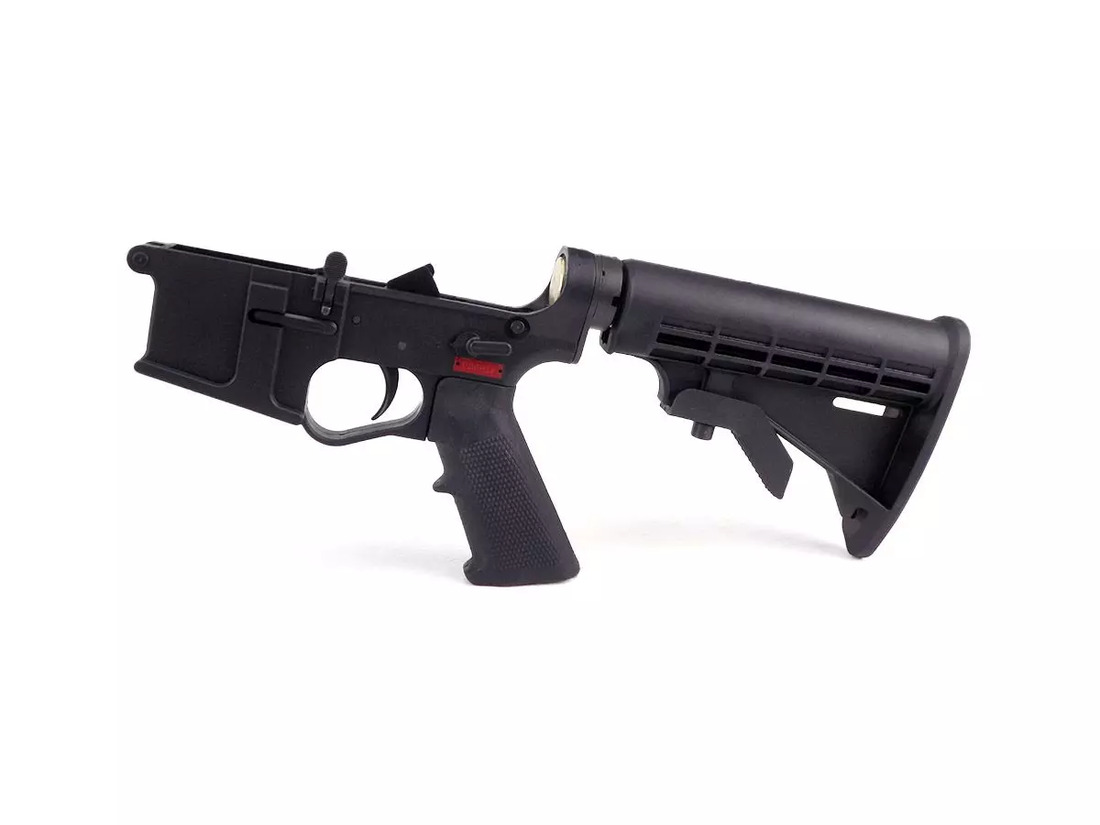
Converting to 22 ARC from 223 Rem requires a new barrel, and that’s the main expense. Your existing lower receiver, bolt carrier group, and magazines all work fine. A quality 22 ARC barrel runs $250-$450 depending on manufacturer and length. If you’re building from scratch, the cost difference between a 223 Rem and 22 ARC upper is minimal.
Standard AR-15 magazines work perfectly with both cartridges since they share the same case head diameter. You don’t need proprietary magazines or modified followers. This is a huge advantage over some other AR-15 cartridges that require expensive magazine conversions. If you already own an AR-15 in 223 Rem, a simple barrel swap gives you a completely different capability without rebuilding your entire platform.
Conversion Cost Summary
- 22 ARC barrel: $250-$450
- No new bolt needed (uses standard 223 bolt)
- Existing magazines work without modification
- Total conversion cost: $250-$450 plus installation if needed
- New complete upper assembly: $500-$800
Common Mistakes When Choosing Your Caliber
Many shooters pick 22 ARC without considering their actual shooting distances. If you’re hunting in thick cover or agricultural areas where shots rarely exceed 250 yards, you’re paying extra for performance you won’t use. The 223 Rem does everything you need at those ranges with cheaper ammo and wider availability. Be honest about where you actually shoot, not where you think you might shoot someday.
Another mistake is underestimating barrel length requirements. The 22 ARC needs at least an 18-inch barrel to reach its velocity potential, and 20-24 inches is ideal for maximizing the cartridge’s capabilities. If you’re committed to a 16-inch carbine for maneuverability, you’re giving up much of the 22 ARC’s advantage. The 223 Rem performs well in shorter barrels, making it better suited for compact builds.
Common pitfalls to avoid:
- Choosing 22 ARC for a truck gun that will see mostly 100-200 yard shots
- Building a short-barreled 22 ARC and wondering why it doesn’t outperform 223 Rem
- Assuming 22 ARC ammo will be on the shelf at your local store during hunting season
- Converting to 22 ARC without considering handloading to maximize performance and value
- Ignoring the fact that 223 Rem has decades of proven terminal performance data
FAQ: 22 ARC vs 223 Rem Questions Answered
Can I shoot 22 ARC in a 223 Rem barrel?
No. The 22 ARC has a different case design and chamber dimensions. You need a dedicated 22 ARC barrel. Never attempt to chamber 22 ARC ammunition in a 223 Rem chamber, as it can cause dangerous pressure issues.
Which is better for coyote hunting under 300 yards?
The 223 Rem is perfectly adequate for coyotes at those distances with proper bullet selection. Use 55-62 grain soft points or V-MAX style bullets. The 22 ARC offers no practical advantage at typical coyote ranges in most hunting situations.
Is 22 ARC worth it if I already own a 223 Rem AR-15?
Only if you regularly shoot past 400 yards or hunt in windy conditions where bullet drift matters. For most recreational shooters and hunters, the 223 Rem covers 90% of practical needs. A barrel conversion makes sense if you have specific long-range varmint hunting plans.
Do I need special magazines for 22 ARC?
No. Standard AR-15 magazines designed for 223 Rem work perfectly with 22 ARC. This is one of the cartridge’s biggest advantages, making conversion simple and cost-effective.
Which has better barrel life?
The 223 Rem typically offers longer barrel life, with quality barrels lasting 8,000-15,000 rounds depending on use. The 22 ARC’s higher pressures and velocities reduce barrel life somewhat, but you’ll still get 5,000-8,000 rounds from a good barrel before accuracy degrades noticeably.
Can I hunt deer with either cartridge?
Check your local regulations first. Some states allow 223 Rem for deer with restrictions, while others don’t. The 22 ARC has better energy retention and penetration with heavier bullets, making it more effective on deer-sized game at extended ranges. Neither is ideal for large game compared to dedicated deer cartridges, but the 22 ARC is the better choice if regulations permit.

Quick Takeaways
- 223 Rem wins on ammo cost, availability, and proven performance for typical ranges
- 22 ARC extends your effective range by 200+ yards with better wind resistance
- Both use the same magazines, bolt, and lower receiver
- Converting requires only a barrel change (plus potential gas system adjustment)
- Choose 223 Rem if you shoot mostly under 300 yards or want the lowest operating cost
- Choose 22 ARC if you regularly engage targets past 400 yards or hunt in open country
- Barrel length matters more for 22 ARC performance than 223 Rem
The choice between 22 ARC and 223 Rem isn’t about which cartridge is objectively better – it’s about matching the right tool to your specific shooting needs. The 223 Remington remains the practical choice for most AR-15 owners who want affordable ammunition, proven terminal performance, and versatility across multiple shooting applications. It’s the default answer unless you have a specific reason to choose otherwise.
That specific reason is long-range performance. If you’re serious about shooting varmints and predators past 400 yards, dealing with prairie wind, or maximizing energy on target at extended distances, the 22 ARC delivers measurable advantages that justify the extra cost. Consider your typical shooting distances, budget for ammunition, and whether you’re willing to handload to get the most from the cartridge. Either way, you’re working with a capable, accurate cartridge in a proven platform.







Comments are closed.