
How to Zero Your 277 Fury for 1000 Yards

How to Zero Your 277 Fury for 1000 Yards
The 277 Fury has changed the game for long-range shooters who want serious performance in a compact package. This high-pressure cartridge delivers velocities that rival magnum rounds, making 1000-yard shots more achievable than ever. But to capitalize on that ballistic advantage, you need a rock-solid zero and verified data at distance.
Zeroing for extreme long range isn’t just about getting hits at 100 yards and hoping your ballistic calculator does the rest. You need to build a foundation with a precise close-range zero, validate your actual trajectory against predicted data, and understand how this cartridge behaves in real-world conditions. This guide walks you through the complete process, from establishing your initial zero to confirming drops at 600, 800, and 1000 yards.
Step 1: Establish Your 100-Yard Zero
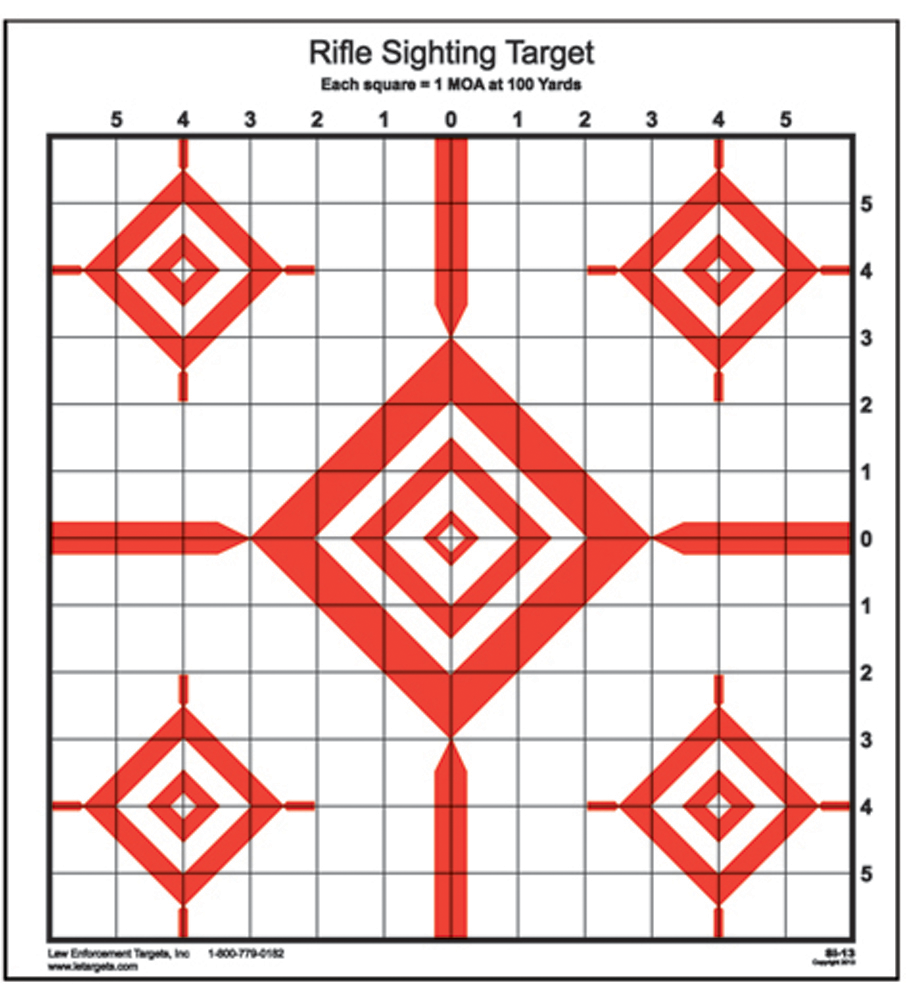
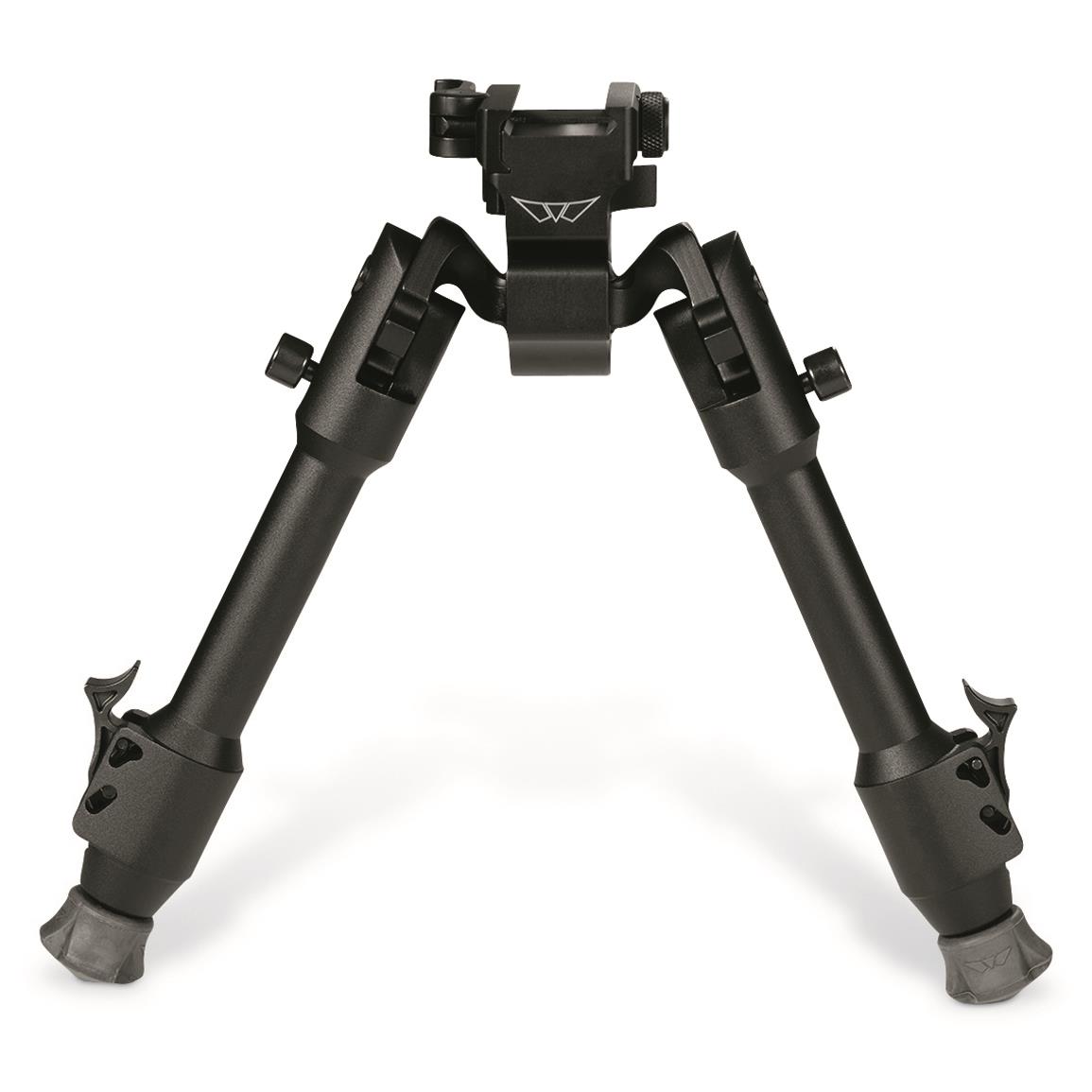
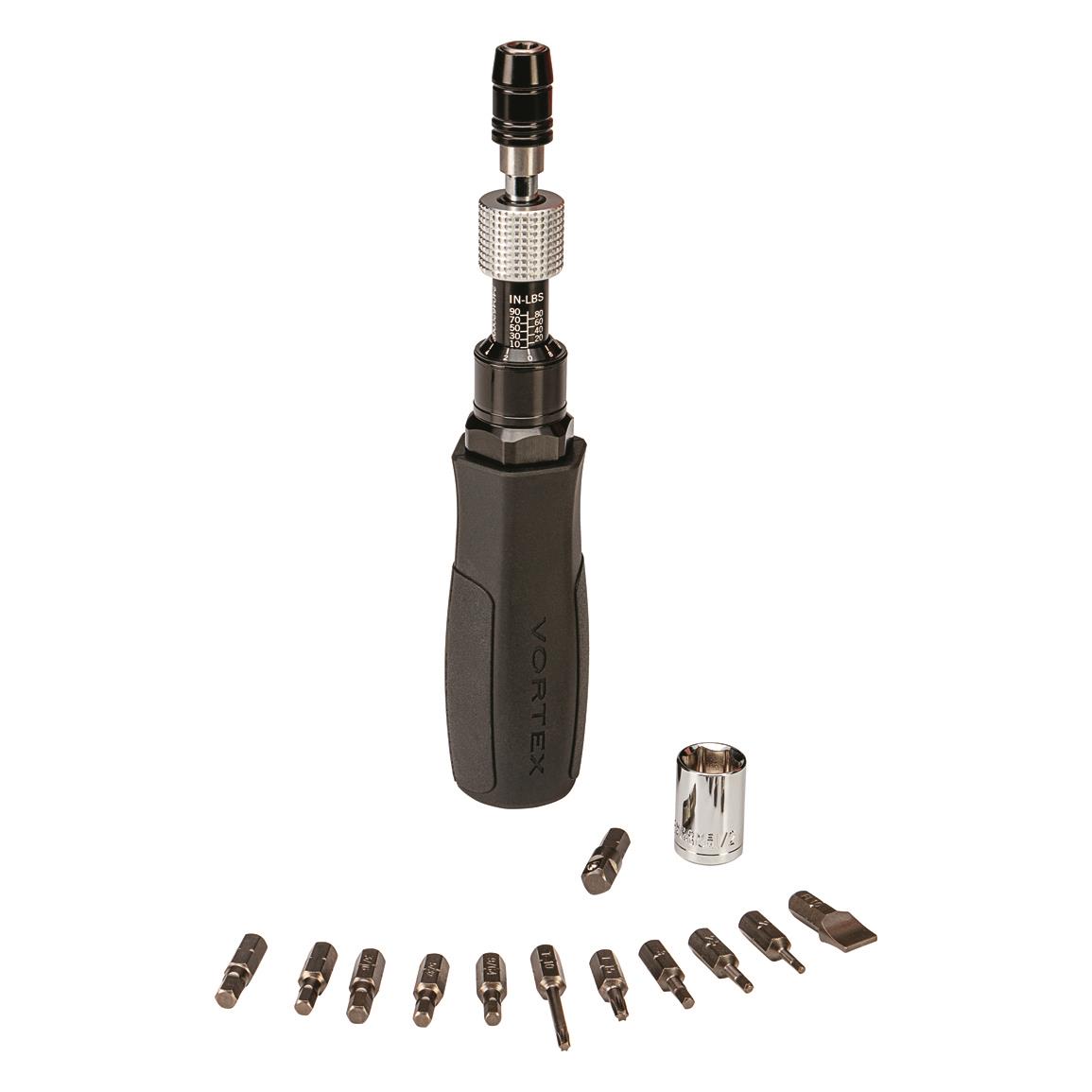
Your 100-yard zero is the foundation for everything that follows. Start with a clean, properly mounted scope that’s been torqued to spec. Use a stable shooting position – ideally a benchrest or solid prone setup with a quality bipod and rear bag. Fire a three-shot group to see where you’re hitting, then make your adjustments.
The key here is consistency and precision. Don’t rush this step or settle for "close enough." Each click of adjustment should be deliberate, and you should fire verification groups after each correction. Most shooters find that a 100-yard zero with the 277 Fury puts them roughly 1.5 inches high at that distance when using a 200-yard zero, but for long-range work, a true 100-yard zero gives you the most reliable data input for your ballistic solver.
Quick checklist for establishing your zero:
- Mount scope with proper torque specs (check manufacturer recommendations)
- Confirm rifle is clean and properly lubricated
- Use quality ammunition – preferably match-grade or your chosen long-range load
- Set up on a stable platform with minimal shooter input
- Fire 3-shot groups, allowing barrel to cool between groups
- Make adjustments in 0.25 MOA increments if possible
- Verify zero with final 3-5 shot group at center
- Record environmental conditions (temperature, elevation, humidity)
- Document your exact load and lot number
Step 2: Input Data Into Your Ballistic App
Once you have a confirmed 100-yard zero, it’s time to build your ballistic profile. Modern ballistic solvers like Applied Ballistics, Strelok Pro, or Hornady 4DOF can predict trajectory with remarkable accuracy if you feed them correct data. The 277 Fury requires specific inputs because of its unique pressure characteristics and velocity potential.
Start by entering your exact ammunition specifications – bullet weight, BC (ballistic coefficient), and measured muzzle velocity. If you don’t have access to a chronograph, use factory-stated velocities as a starting point, but understand you’ll need to true your data at distance. Input your scope height (measured from bore centerline to scope centerline), your zero distance (100 yards), and current atmospheric conditions. The 277 Fury typically pushes a 135-grain bullet at 2850-3000 fps and a 140-grain bullet at 2800-2950 fps, depending on barrel length and load.
Essential ballistic app inputs
| Input | What to Enter | Why It Matters |
|---|---|---|
| Muzzle Velocity | Chronographed or factory spec | Foundation of all calculations |
| BC (G1 or G7) | Manufacturer data | Predicts drag and drop |
| Scope Height | Measured in inches | Affects near and far trajectory |
| Zero Range | 100 yards | Reference point for all adjustments |
| Atmosphere | Current temp, pressure, altitude | Affects air density and bullet flight |
Step 3: Confirm Drops at 600, 800, and 1000
Theory meets reality at the range. Your ballistic app will give you predicted drop values, but you need to shoot and verify them. Start at 600 yards with a large target – at least 18×24 inches – so you can see your impacts even if your predicted data is slightly off. Fire a three-shot group using your app’s suggested elevation adjustment.
Record your actual point of impact and compare it to your predicted drop. If you’re hitting low or high, note the difference in MOA or mils. Move to 800 yards and repeat the process, then finally to 1000 yards. Most shooters find the 277 Fury requires roughly 20-22 MOA of elevation at 1000 yards with a 100-yard zero, depending on bullet selection and environmental conditions. Use these confirmed drops to "true" your ballistic solver by adjusting either muzzle velocity or BC until your predicted data matches your actual hits.
Verification process:
- Shoot in consistent conditions (minimal wind for initial verification)
- Use your predicted dope from the ballistic app
- Fire 3-5 shot groups at each distance
- Measure actual drop from point of aim
- Adjust ballistic profile to match real-world results
- Re-verify after making changes to your profile
Understanding 277 Fury Wind Drift at Range
The 277 Fury’s high velocity gives it a significant advantage in wind, but you still need to respect crosswinds at 1000 yards. A 10 mph full-value wind will push a 135-grain bullet roughly 40-45 inches at 1000 yards, which is noticeably less than comparable 308 Win loads. This reduced wind drift is one of the cartridge’s biggest advantages for long-range work.
Learning to read wind is more important than any equipment upgrade. Watch mirage through your scope, observe vegetation movement, and use flags if available. The 277 Fury’s flatter trajectory means less time in flight, giving wind less opportunity to push your bullet off course. Practice making wind calls at each distance during your verification sessions, and record what works. Over time, you’ll develop an intuitive sense for how much hold or dial you need in various conditions.
Common Mistakes When Zeroing for Long Range
Rushing the 100-yard zero is the most frequent error. Shooters get excited about shooting far and don’t invest enough time getting their foundation perfect. A 0.5 MOA error at 100 yards becomes a 5-inch error at 1000 yards. Take your time and get it right.
Using incorrect atmospheric data will throw off your entire ballistic solution. Temperature, altitude, and barometric pressure all affect bullet flight. Always input current conditions, not standard atmospheric values. The 277 Fury is particularly sensitive to temperature changes because of its high operating pressure.
Not confirming data at multiple distances is another critical mistake. Some shooters zero at 100 and jump straight to 1000, then wonder why they can’t connect. Confirming at 600 and 800 helps you catch errors in your ballistic profile before you’re trying to diagnose problems at extreme range.
Additional pitfalls to avoid:
- Shooting in heavy wind during initial verification
- Mixing ammunition lots without re-verifying zero
- Failing to allow barrel cool-down time between groups
- Not recording environmental conditions with your data
- Using worn or damaged ammunition
- Neglecting to check scope tracking accuracy
- Assuming factory velocity claims without verification
FAQ
Do I need a chronograph to zero my 277 Fury for 1000 yards?
While not absolutely required, a chronograph makes the process much more accurate and efficient. Factory velocity claims can vary by 50-100 fps from your actual rifle. If you don’t have a chronograph, you can use factory specs and then "true" your data by adjusting velocity in your ballistic app until predictions match your actual drops at distance.
How often should I re-verify my zero?
Check your zero before any serious long-range session, especially if you’ve traveled to a significantly different elevation or temperature. A quick 3-shot confirmation at 100 yards takes five minutes and can save you from frustration at distance. Re-verify your long-range data whenever you change ammunition lots or if you’re shooting in conditions more than 20 degrees different from your original verification.
Can I use a 200-yard zero instead of 100 yards?
Yes, many long-range shooters prefer a 200-yard zero because it simplifies holdovers at intermediate distances. The 277 Fury works well with a 200-yard zero, typically putting you about 1.5 inches high at 100 yards. Just make sure to input the correct zero distance in your ballistic app. For pure long-range work, the choice between 100 and 200-yard zeros is mostly personal preference.
What BC should I use for 277 Fury bullets?
Use the G7 BC if your ballistic app supports it, as it’s more accurate for modern boat-tail bullets. The 135-grain SIG bullet has a G7 BC around 0.260, while the 140-grain options run approximately 0.270-0.285. Always use manufacturer-provided BC data as your starting point, then fine-tune based on your actual drop verification.
How much scope elevation do I need for 1000 yards?
Most 277 Fury loads require 20-24 MOA of elevation for 1000 yards with a 100-yard zero, depending on your specific load and atmospheric conditions. A scope with at least 25-30 MOA of total elevation travel is recommended, though using a 20 MOA rail base can help if your scope has limited adjustment range.
Is the 277 Fury too much recoil for precision shooting at 1000 yards?
Recoil is manageable for most shooters, sitting between 308 Win and 6.5 Creedmoor in practical terms. The cartridge produces roughly 17-19 ft-lbs of recoil energy in a typical rifle weight, which is very controllable with proper technique. A quality muzzle brake can reduce felt recoil by 40-50% if you find it necessary.
Quick takeaways
- Start with a precise 100-yard zero using consistent technique and quality ammunition
- Input accurate data into your ballistic solver, including measured or verified muzzle velocity
- Confirm predicted drops at 600, 800, and 1000 yards before trusting your data
- The 277 Fury’s high velocity reduces wind drift compared to traditional cartridges
- True your ballistic profile by adjusting velocity or BC to match real-world results
- Record all environmental conditions during verification sessions
- Re-check your zero when conditions change significantly
Zeroing your 277 Fury for 1000 yards isn’t complicated, but it does require methodical attention to detail. The cartridge’s impressive ballistics give you a real advantage at extreme range, but only if you’ve done the groundwork to understand exactly how your rifle and ammunition perform. Take the time to establish a solid foundation, verify your data at multiple distances, and you’ll have confidence in your holds when that 1000-yard target comes into view.
Remember that long-range shooting is an ongoing learning process. Your first verification session gives you baseline data, but you’ll continue refining your understanding of how the 277 Fury performs in different conditions. Keep detailed records, practice reading wind, and don’t be afraid to re-verify when something doesn’t feel right. The effort you invest in proper zeroing pays dividends every time you reach out to distance.





Comments are closed.