
Smart Optics Choice: Best Scopes Under $500


Shopping for a hunting scope means navigating endless options between $50 junk optics and $2,000 premium glass. The truth is, most hunters will get better performance from a quality $400 scope than they will from cheap optics or features they’ll never use on ultra-premium models. The $200-$500 range represents the sweet spot where manufacturers use genuinely good glass, reliable internals, and back everything with warranties that actually mean something.
This guide cuts through the marketing noise to show you exactly what separates a scope worth keeping for decades from one that’ll frustrate you on opening day. Whether you’re mounting glass on a 308 Win for whitetail or a 6.5 Creedmoor for western hunting, understanding light transmission, tracking accuracy, and real-world durability will save you money and missed opportunities.

Why $500 Scopes Beat Both Cheap and Premium
The sub-$200 scope market is littered with optics that fog internally, lose zero after a dozen shots, and turn muddy in the last 30 minutes of legal shooting light. These scopes use inferior lens coatings and cheap erector systems that shift under recoil. You might save $150 upfront, but you’ll replace it within two seasons or miss shots that matter because the glass just isn’t clear enough when it counts.
Premium scopes above $1,000 offer marginal improvements that most hunters simply don’t need. Yes, a $1,800 scope might have 2-3% better light transmission and slightly better edge clarity, but that difference rarely translates to filled tags for the average hunter shooting inside 400 yards. The $300-$500 range gives you Japanese or Filipino glass with quality multi-coatings, reliable turret systems, and warranties from companies that have been in business for decades. You’re paying for performance that matters, not bragging rights.
6 Best Scopes Under $500 for Hunters
Vortex Diamondback HP 4-16×42 delivers exceptional clarity for around $350, with fully multi-coated lenses and a dead-hold BDC reticle that works for most common hunting cartridges. The glass is surprisingly clear in low light, and Vortex’s VIP warranty means they’ll replace it no questions asked if anything goes wrong. This scope tracks reliably and holds zero through hundreds of rounds, making it ideal for everything from prairie dogs to mule deer.
Leupold VX-Freedom 3-9×40 represents American-made quality around $300, with Leupold’s Twilight Light Management System that genuinely improves performance in dawn and dusk conditions. The simple duplex reticle works for hunters who prefer holdover estimation, and the 1/4 MOA clicks are crisp and repeatable. At 12 ounces, it won’t weigh down a mountain rifle, and Leupold’s lifetime guarantee has stood the test of time.
Quick Comparison Table
| Scope Model | Magnification | Weight | Light Transmission | Warranty | Typical Price |
|---|---|---|---|---|---|
| Vortex Diamondback HP | 4-16×42 | 17.3 oz | 91% | VIP Lifetime | $350 |
| Leupold VX-Freedom | 3-9×40 | 12 oz | 92% | Lifetime | $300 |
| Burris Fullfield IV | 4-16×50 | 22 oz | 90% | Forever Warranty | $430 |
| Nikon Prostaff P5 | 3-12×42 | 16.8 oz | 89% | Lifetime | $280 |
Burris Fullfield IV 4-16×50 pushes the upper end around $430 but rewards you with a larger objective lens that gathers significantly more light. The Ballistic Plex E1 reticle provides holdover points out to 500 yards, and the side focus parallax adjustment is smooth and precise. This scope shines for western hunters glassing at distance or anyone hunting thick timber where every photon counts during legal shooting hours.
Nikon Prostaff P5 3-12×42 offers Japanese glass quality for under $300, with Nikon’s traditional optical excellence and a simple design that prioritizes reliability. The BDC reticle is calibrated for common velocities, and the scope’s waterproofing has proven solid through wet seasons. While Nikon exited the riflescope market in 2019, remaining inventory represents excellent value, though warranty support now comes through a third-party service.
Glass Clarity and Light Transmission Tests
True light transmission numbers require laboratory equipment, but field testing reveals real-world performance differences. A quality scope in the $400 range should let you clearly identify a deer’s eye and distinguish antler points 30 minutes after sunset on a clear evening. Compare this by looking through the scope at a dark tree line after legal light – cheap optics turn everything into gray mush, while quality glass maintains color separation and contrast.
Edge-to-edge clarity matters less than center sharpness for hunting purposes, since you’re aiming with the center reticle. Focus your testing on whether the reticle remains crisp against various backgrounds and whether you can see detail in shadowed areas. A scope with 90% light transmission that costs $400 will outperform a 92% scope that costs $1,500 by such a small margin that you’ll never notice the difference in the field. The real test is whether you can confidently identify your target and make an ethical shot in the conditions you actually hunt.
Quick Checklist for Glass Quality
- Point the scope at a white wall or sky – any color fringing means poor coatings
- Check low-light performance 30 minutes before/after legal shooting time
- Look for color accuracy – cheap glass adds yellow or blue tints
- Test focus crispness across the entire magnification range
- Verify the eyebox is forgiving (you can move your eye slightly without losing the image)
- Examine lens coatings for even, multi-layer appearance (not single-color sheen)
- Check for internal dust or debris between lens elements
Tracking Accuracy: What Really Matters
Tracking accuracy means your scope’s adjustments move the point of impact exactly where they should. A scope claiming 1/4 MOA adjustments should move your bullet impact 0.25 inches at 100 yards per click. Budget scopes often fail this test – you’ll dial up 10 clicks and the impact might move 12 or 8 clicks worth. This inconsistency makes long-range shooting frustrating and wastes ammunition during load development.
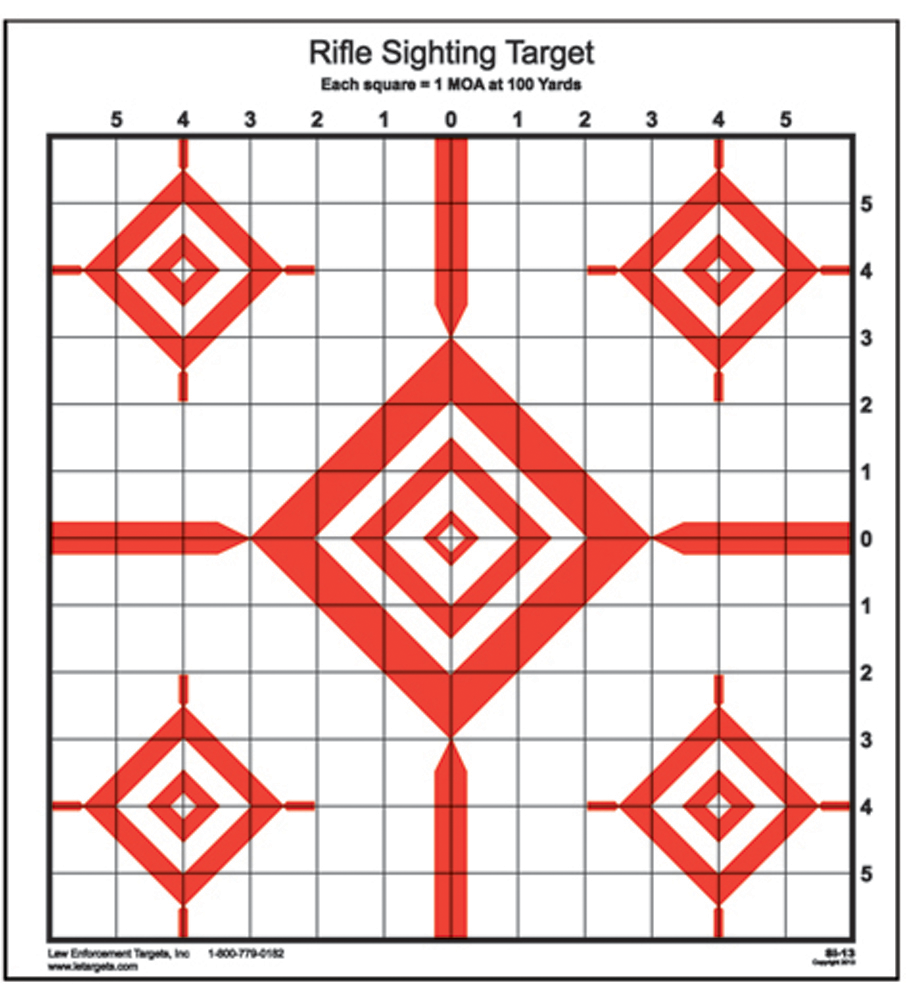
Test tracking by shooting a square or box pattern at 100 yards. Fire a three-shot group, then dial 10 clicks right and 10 clicks up, fire another group, then 20 clicks left (crossing back through center), and so on. Measure each group’s center point – they should form a perfect square matching your click values. Scopes under $500 from established manufacturers like Vortex, Leupold, and Burris typically track within 2-3% of advertised values, which is plenty accurate for hunting inside 500 yards where most shots happen.
Return to zero is equally critical. After dialing for a long shot, your scope should return to the original zero when you dial back. Cheap scopes develop slop in the erector system, leaving you with a shifted zero. Quality scopes in the $300-$500 range use spring systems and precise machining that maintain zero through thousands of adjustments. If you’re primarily a hunter who sets zero and leaves it, this matters less than for precision shooters who constantly dial elevation.
Common Mistakes When Buying Budget Scopes
Buying too much magnification tops the list – new shooters see 6-24x scopes and assume more is better. For hunting inside 400 yards, you’ll use 4-12x maximum, and the higher magnification often comes with reduced light transmission and a smaller field of view. A 3-9x or 4-16x scope covers 95% of hunting scenarios, and the simpler design means fewer things to break.

Ignoring eye relief creates problems when shooting magnum cartridges or mounting scopes on scout-style rifles. You need 3.5-4 inches of eye relief for comfortable shooting, especially with hard-recoiling cartridges like 300 Win Mag or 7mm Rem Mag. Check the manufacturer’s specs and verify the scope will work with your rifle’s stock length and your preferred shooting position.
Common budget scope mistakes include:
- Choosing reticles with excessive holdover marks you’ll never learn to use
- Buying scopes with objective lenses too large for your rings and rifle
- Ignoring warranty terms – some “lifetime” warranties exclude normal wear
- Mounting scopes before confirming proper eye relief and ring height
- Trusting cheap scope rings that won’t hold zero under recoil
- Overlooking scope weight on mountain or backpack hunting rifles
- Buying feature-heavy scopes instead of focusing on optical quality
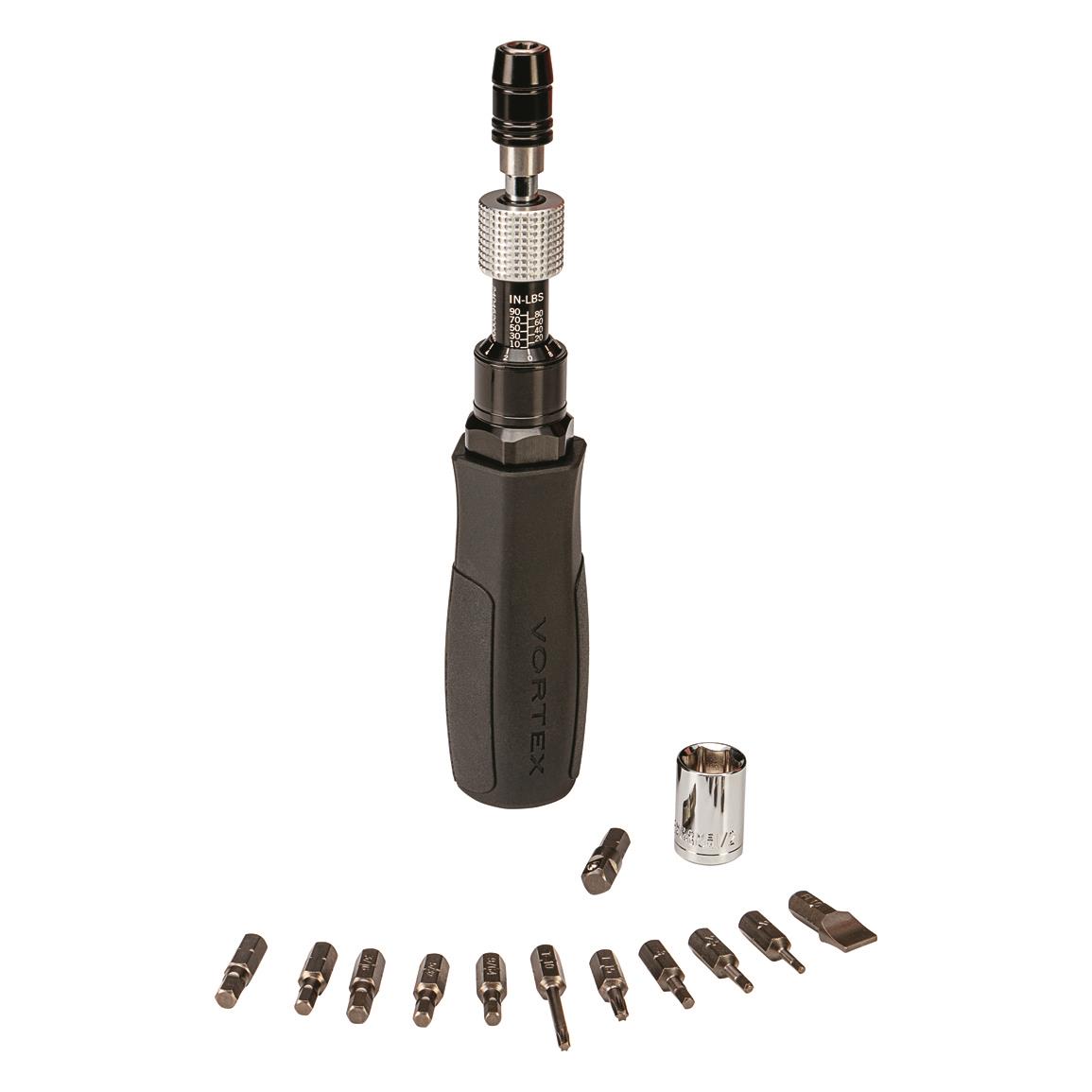
Skipping proper mounting ruins otherwise good scopes. Budget $50-$100 for quality rings or a one-piece mount from manufacturers like Leupold, Vortex, or Warne. Cheap rings allow scope movement under recoil, and you’ll blame the scope for accuracy problems that stem from poor mounting. Torque everything to manufacturer specs using a proper inch-pound torque wrench – over-tightening damages scope tubes just as surely as loose rings lose zero.
FAQ: Choosing Your Under-$500 Scope
Q: Do I really need a lifetime warranty on a hunting scope?
A: Yes, because quality scopes should outlast your rifle. Lifetime warranties from Vortex, Leupold, and Burris aren’t marketing gimmicks – they’ll replace scopes damaged by drops, water intrusion, or mechanical failure decades after purchase. This warranty coverage is one reason to stick with established brands in the $300-$500 range rather than gambling on unknown manufacturers offering similar specs for less money.
Q: What magnification range works best for deer hunting?
A: A 3-9x scope handles 95% of deer hunting from thick timber to open fields, while a 4-16x scope adds versatility for western hunting or longer shots. Avoid going below 3x on the low end (you need both eyes open in thick cover anyway) or above 16x on the high end (mirage and movement make higher magnification impractical for hunting). Most deer are shot between 50-200 yards where 6-9x magnification is perfect.
Q: Is a 50mm objective lens worth the extra weight?
A: Only if you regularly hunt during the first and last 15 minutes of legal light, and even then the difference is modest. A 42mm objective on a quality scope gathers plenty of light for ethical shooting, and you’ll appreciate the weight savings on long hikes. The 50mm lens also requires higher rings, which can make achieving proper cheek weld more difficult on some rifles.
Q: Should I buy a first focal plane or second focal plane scope?
A: For hunting under $500, stick with second focal plane (SFP) scopes where the reticle stays the same size regardless of magnification. FFP scopes in this price range often compromise optical quality to add the FFP feature, and the reticle becomes tiny at low magnification when you need it most. Unless you’re dialing elevation for every shot, SFP works better for hunting.
Q: Can I use a budget scope for precision rifle shooting?
A: Scopes in the $400-$500 range will track accurately enough for learning precision fundamentals and shooting to 600 yards. You’ll eventually want an upgrade for serious competition or extreme long-range work, but a Vortex Diamondback or Burris Fullfield will serve you well for several years. Focus on learning proper shooting technique before blaming equipment.
Q: How important is illuminated reticle for hunting?
A: Illumination helps in very low light when your target is silhouetted against a bright background, but it’s not essential for most hunting. If you hunt dawn and dusk religiously, an illuminated reticle adds $50-$100 to scope cost and is worth considering. Make sure the illumination has a true “off” setting between brightness levels so you’re not hunting with a dead battery.
Quick Takeaways
- The $300-$500 range offers genuinely quality glass and reliable tracking for hunting
- Vortex, Leupold, and Burris deliver best value with solid warranties
- Test scopes in actual low-light conditions, not just bright retail stores
- Tracking accuracy matters more for precision shooters than set-and-forget hunters
- Proper mounting with quality rings matters as much as scope quality
- Avoid excessive magnification – 3-9x or 4-16x covers real hunting scenarios
- Lifetime warranties from established brands protect long-term investment
Choosing a scope under $500 means focusing on what actually matters in the field – clear glass when light fades, reliable tracking that holds zero, and warranties from companies that stand behind their products. You don’t need to spend $1,500 to fill your tag, but you also can’t trust your hunt to a $100 scope that fogs up when it matters most. The brands and models in this guide represent proven performers that thousands of hunters trust season after season.
Start by honestly assessing your hunting style and typical shot distances, then choose magnification and objective lens size accordingly. Mount your scope properly with quality rings, verify zero with a tracking test, and you’ll have optics that serve you reliably for decades. The difference between a $400 scope and a $1,800 scope won’t fill more tags, but the difference between $400 quality glass and $150 junk absolutely will.




Comments are closed.