
Complete Deer Hunting Setup: $1,500 Smart Breakdown

Starting deer hunting with $1,500 puts you in the sweet spot where quality meets value. This budget gets you field-ready gear that won’t fail during your first season, but it requires smart allocation across rifles, optics, clothing, and field equipment. The biggest mistake new hunters make is either buying bottom-tier gear that breaks fast or blowing the budget on one premium item while neglecting essentials.
This breakdown prioritizes function over flash and focuses on gear that directly impacts your success. You’ll learn exactly where to invest, where to save, and what you can defer until next season. Every dollar here is allocated based on real-world performance, not marketing hype. By the end, you’ll have a complete setup that keeps you comfortable, effective, and ready for opening day.

Essential Gear: Where Your $1,500 Goes First
Your budget breaks down into four critical categories, each serving a specific purpose in the field. The rifle and optics foundation takes roughly 40% of your budget because accuracy matters more than any other single factor. Clothing and boots claim about 27% since staying warm, dry, and quiet directly affects how long you can hunt effectively. The remaining 33% covers field gear, licenses, and accessories that complete your setup.
This allocation assumes you’re starting from zero and need everything. If you already have quality boots or base layers from hiking or other outdoor activities, shift that money toward better optics or additional ammunition for practice. The key is balancing immediate needs with long-term value – cheap gear costs more when you replace it after one season.

Quick checklist: Complete setup priorities
- Rifle and scope combo: Bolt-action in common caliber
- Weatherproof outer layer: Insulated jacket and pants
- Insulated hunting boots: Rated for your region’s temperatures
- Base layers: Merino or synthetic moisture-wicking system
- Knife and game bags: Field dressing essentials
- Backpack: 25-35L daypack for gear transport
- License and tags: State-specific requirements
- Orange vest and hat: Legal visibility requirements
Rifle and Optics: The $600 Foundation
A reliable bolt-action rifle in 308 Win, 30-06 Springfield, or 6.5 Creedmoor gives you the accuracy and range for most North American deer hunting. Budget $400-450 for the rifle itself, targeting models known for out-of-the-box accuracy without requiring immediate upgrades. Look for synthetic stocks that handle weather better than wood and don’t require the maintenance. A heavy barrel adds weight but improves accuracy for newer shooters still developing fundamentals.

The remaining $150-200 goes toward a 3-9x40mm scope and mounting hardware. This magnification range handles everything from 50-yard shots in thick cover to 300-yard opportunities across fields. If you’re shopping, prioritize clear glass and reliable adjustments over excessive magnification – a simple scope that holds zero beats a feature-packed model that shifts point of impact. Spend $50-75 on quality rings and bases, and budget another $50 for bore sighting and initial ammunition to confirm zero.
Budget breakdown: Rifle setup
| Item | Budget Range | Why It Matters |
|---|---|---|
| Bolt-action rifle | $400-450 | Accuracy foundation |
| Scope (3-9x40mm) | $120-150 | Target acquisition |
| Rings and bases | $50-75 | Zero retention |
| Ammunition | $40-60 | Practice and hunting |
Clothing and Boots: $400 Weather Protection
Your insulated hunting boots deserve $120-150 of this budget since cold feet end hunts faster than anything else. Look for boots rated 200-400 grams of insulation for early season, or 800-1200 grams if you hunt late season in cold climates. Waterproof construction matters more than camouflage pattern – wet feet mean miserable sits and early exits. Size up half a size to accommodate thick wool socks without restricting circulation.
The remaining $250-280 covers your layering system from base to outer shell. Allocate $60-80 for merino wool or synthetic base layers (top and bottom), $80-100 for a quiet mid-layer fleece, and $110-120 for an insulated, waterproof outer jacket and pants. Avoid cotton entirely – it retains moisture and steals body heat. If you’re choosing between expensive camo patterns and functional fabrics, choose function every time. A simple upgrade is adding a quality face mask and gloves for $30-40 total, which extends your comfort range significantly.
Field Gear and Accessories: $300 Must-Haves
Your hunting pack should run $60-80 for a 25-35 liter daypack with quiet fabric and enough organization for calls, extra layers, water, and snacks. Look for features like external straps to secure a rifle or haul out meat, hydration compatibility, and a design that sits comfortably during long sits. Skip tactical-style packs with excessive MOLLE webbing that snags on brush – simple hunting-specific designs work better in the field.
The remaining $220-240 covers essential accessories that complete your setup. Budget $40-50 for a quality fixed-blade knife and game bags for field dressing, $30-40 for a headlamp with red light mode, $20-30 for drag rope or game cart accessories, and $25-35 for calls appropriate to your hunting style. Don’t forget $50-80 for licenses, tags, and any required hunter education courses. A rangefinder is nice but not critical for your first season – use that $150-200 to upgrade optics or add a tree stand instead.

Quick takeaways
- Prioritize reliability over features: Gear that works beats gear that impresses
- Buy boots first: Cold feet end more hunts than missed shots
- Common calibers save money: Ammunition availability and cost matter long-term
- Layer systems beat single pieces: Adaptability handles changing conditions
- Practice before season: Budget includes ammunition for range time
- Used gear extends budget: Quality used optics and rifles offer huge savings
Common Mistakes That Waste Your Budget Fast
Buying mismatched calibers tops the list of budget killers. Choosing an obscure cartridge because it’s “better” means expensive ammunition and limited selection. Stick with 308 Win, 30-06 Springfield, 6.5 Creedmoor, or 270 Winchester for readily available, affordable practice ammunition. If you already have a less common caliber, it can work fine – just understand you’ll pay more per shot.
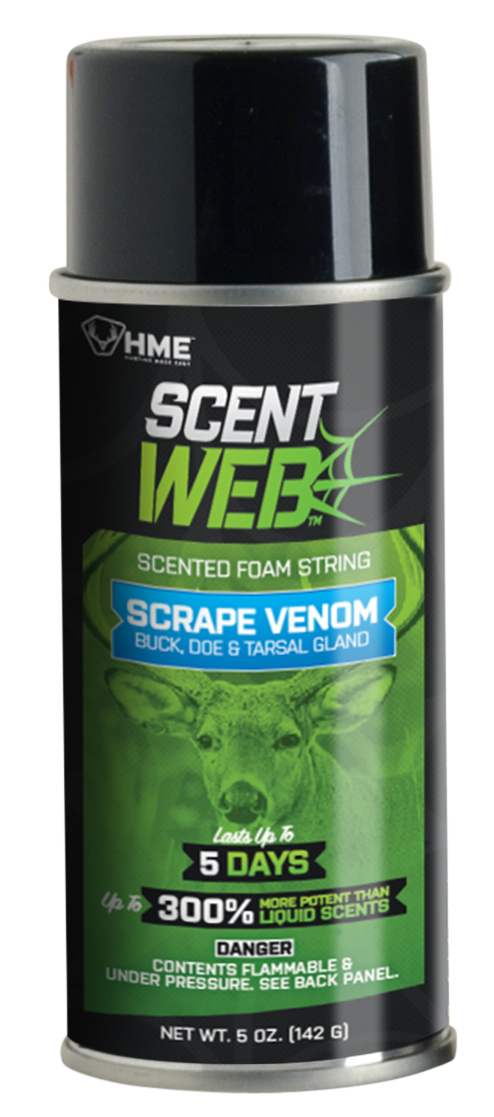
Over-investing in camouflage patterns while neglecting scent control and movement discipline wastes money. Deer spot movement and smell danger long before they notice your camo doesn’t match perfectly. A simple upgrade is spending $30 on scent-eliminating spray and learning to move slowly rather than $200 on the latest camo technology. The same logic applies to calls and attractants – master basic woodsmanship before buying every gadget on the shelf.
Skipping quality boots to afford a premium rifle creates miserable hunts. Your $800 rifle doesn’t matter when you leave early because your feet are frozen or blistered. Budget boots fail fast, requiring replacement mid-season when you’re already invested in tags and time. If you’re choosing between a $500 rifle with $150 boots or a $400 rifle with $200 boots, choose the better boots every time.
Neglecting practice ammunition means showing up unprepared. Budget at least $50-60 for range time to confirm zero, learn your rifle’s trajectory, and build confidence. Hunting ammunition costs $25-40 per box, but you need cheaper practice rounds to develop shooting skills. A box of premium hunting loads and three boxes of practice ammunition sets you up better than four boxes of hunting ammo you’re afraid to shoot.
FAQ: Your Deer Hunting Setup Questions
Can I start deer hunting for less than $1,500?
Yes, but you’ll make compromises that might cost more long-term. If you drop to $1,000, expect to buy used gear, borrow items like tree stands or blinds, or hunt in less-than-ideal weather conditions. The $1,500 budget provides everything you need without requiring immediate upgrades. If you already have quality boots or outdoor clothing, you can absolutely start for less by reallocating those dollars.

Should I buy a rifle package or build piece by piece?
Rifle-scope packages offer convenience and often include mounting hardware, saving $50-100 versus buying separately. Look for packages from established manufacturers that pair appropriate optics with the rifle platform. If you’re shopping, verify the scope included actually matches the quality of the rifle – some packages cut corners on glass quality. Building piece by piece gives you more control but requires more research.
What if I only hunt early season – can I reduce the clothing budget?
Early season hunting in warm weather lets you cut insulation costs significantly. You can reduce the clothing budget to $250-300 by skipping heavy insulation and focusing on moisture-wicking layers, rain protection, and lighter boots. Shift those savings toward better optics or a tree stand. Just understand you’re limiting yourself to specific conditions – late season opportunities require going back for cold-weather gear.
Is buying used gear worth the risk?
Quality used rifles and optics from reputable sellers offer excellent value if you know what to check. Inspect rifles for bore condition, action smoothness, and stock integrity. Test optics for clear glass, functional adjustments, and intact seals. Avoid used boots, base layers, or safety gear like harnesses. A simple upgrade path is buying a used rifle and new optics, then upgrading the rifle later if desired.
Do I need different setups for different deer species?

No, the same basic setup works for whitetail, mule deer, and blacktail across North America. Caliber selection in the 243 Win to 30-06 Springfield range handles all deer-sized game effectively. Regional differences matter more for clothing insulation and terrain-specific gear than species-specific equipment. If you hunt both eastern forests and western mountains, adjust your pack size and boots accordingly, but the core rifle and clothing system remains the same.
When should I upgrade from this starter setup?
Upgrade specific items as they limit your effectiveness, not because newer gear exists. If your scope loses zero repeatedly, upgrade optics. If your boots fail or don’t keep you warm, replace them immediately. The rifle itself rarely needs upgrading unless you develop specific accuracy requirements beyond what a quality hunting rifle delivers. Most hunters use their first rifle for years – focus upgrades on comfort items and accessories that extend your time in the field.
This $1,500 breakdown gets you completely field-ready without wasting money on gear that doesn’t impact success. The allocation prioritizes accuracy, comfort, and reliability – the three factors that determine whether you stay in the field long enough to succeed. Remember that the best gear means nothing without practice, scouting, and understanding deer behavior in your hunting area.
Start with this foundation and resist the urge to constantly upgrade. Learn your equipment thoroughly, practice regularly, and focus on fieldcraft over gadgets. The hunters who succeed aren’t always the ones with the most expensive gear – they’re the ones who know their equipment intimately and spend time where the deer are. Get this setup dialed in, and you’ll be ready for years of successful hunts.




Comments are closed.