
Seekins Precision Havak: Premium Tactical Hunter


The Seekins Precision Havak sits in a sweet spot that most production rifles never reach – it delivers semi-custom performance without the six-month wait or the eye-watering price tag of a true custom build. For hunters who need absolute precision at extended ranges, whether you’re glassing mule deer across Wyoming canyons or setting up for a mountain goat in British Columbia, the Havak offers match-grade accuracy in a package light enough to carry all day. Seekins Precision built their reputation manufacturing high-end AR components before expanding into bolt guns, and that obsessive attention to detail shows in every aspect of the Havak platform.
This isn’t a rifle for casual shooters or those happy with “good enough” accuracy. The Havak targets serious hunters who understand the difference between a 1.5 MOA hunting rifle and a consistent sub-MOA shooter, and who are willing to invest in that level of performance. If you’ve been considering the jump from a standard production rifle to something that truly maximizes your long-range capabilities, understanding what makes the Havak different matters more than the sticker price.

What Makes the Seekins Havak Worth the Price
The Seekins Havak commands a premium price point, typically ranging from $2,400 to $3,200 depending on the model and chambering. That places it firmly above standard production rifles but well below true custom builds that start around $5,000. What you’re paying for is quality control that rivals custom shops – Seekins guarantees sub-MOA accuracy with match ammunition, and most owners report groups consistently in the 0.5 to 0.75 MOA range with proper load development.
The value proposition becomes clear when you break down what you’d spend building a comparable rifle from scratch. A quality custom action runs $1,200-1,500, a match barrel with installation costs another $800-1,000, a TriggerTech trigger adds $250-350, and a chassis system runs $600-1,000. You’re already past $3,000 before adding labor, and you’re still waiting months for completion. The Havak delivers that level of component quality as a complete, tested system you can buy off the shelf. For hunters who need reliability in the field rather than a safe queen, that’s where the real value lives.
Match-Grade Barrel: Precision Out of the Box
Every Havak ships with a hand-lapped, match-grade stainless steel barrel that Seekins manufactures in-house to precise tolerances. The barrels feature button rifling and are individually tested before leaving the factory. The fluted design reduces weight without sacrificing rigidity, and the 5R rifling profile extends barrel life while maintaining accuracy over thousands of rounds.

Barrel lengths vary by model and chambering, but most hunting configurations run 22 to 24 inches, striking a balance between velocity and maneuverability. The threaded muzzle (typically 5/8×24) comes ready for a suppressor or muzzle brake, and the barrel nut system allows for relatively simple barrel changes if you want to switch calibers down the road. Seekins uses a medium Palma contour on most models, which provides excellent heat dissipation for multiple-shot strings while keeping weight manageable for backcountry hunting.
Quick Checklist: Barrel Features That Matter
- Hand-lapped bore for consistency shot to shot
- 5R rifling reduces fouling and extends accuracy life
- Fluted design drops 4-6 ounces compared to non-fluted
- Factory threaded for suppressors (5/8×24 thread pitch)
- Medium Palma contour balances weight and rigidity
- Cerakote finish protects against harsh weather
- Available in popular hunting chamberings: 6.5 Creedmoor, 6.5 PRC, 308 Win, 300 Win Mag, 28 Nosler
TriggerTech Trigger System Breakdown
The TriggerTech Primary trigger that comes standard in every Havak represents one of the biggest performance upgrades over standard hunting rifles. Unlike traditional triggers that rely on friction-based sear engagement, TriggerTech uses a patented roller design that eliminates friction almost entirely. The result is a crisp, glass-rod break with zero creep and a clean, tactile reset.

Factory triggers ship set between 2.5 and 3.5 pounds depending on the model, and they’re user-adjustable down to around 1.5 pounds if you prefer a lighter pull. The zero-creep design makes precision shooting dramatically easier, especially at extended ranges where trigger control becomes critical. For hunters used to 5-7 pound factory triggers with mushy breaks, the TriggerTech feels like a revelation. The trigger alone represents a $250-350 value if purchased separately, and it’s one component you won’t need to upgrade immediately after purchase.
M-LOK Chassis Setup for Tactical Hunters
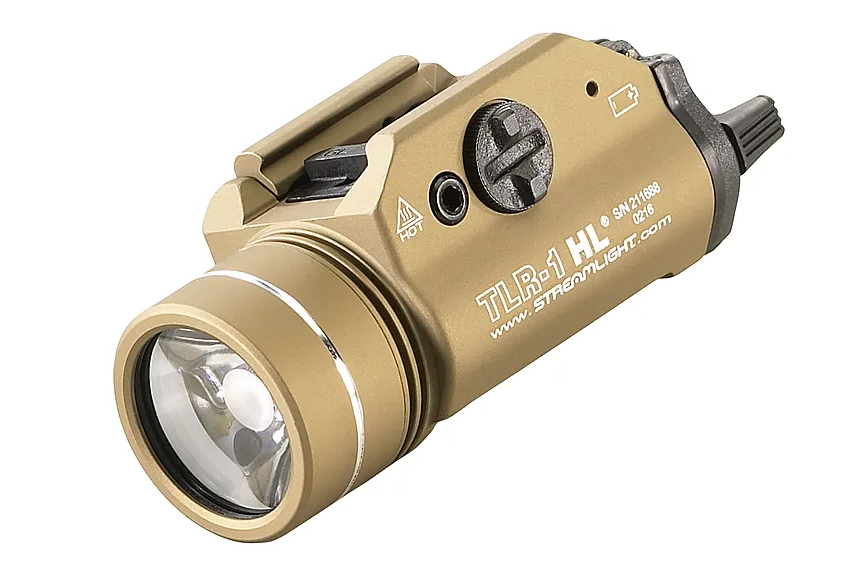
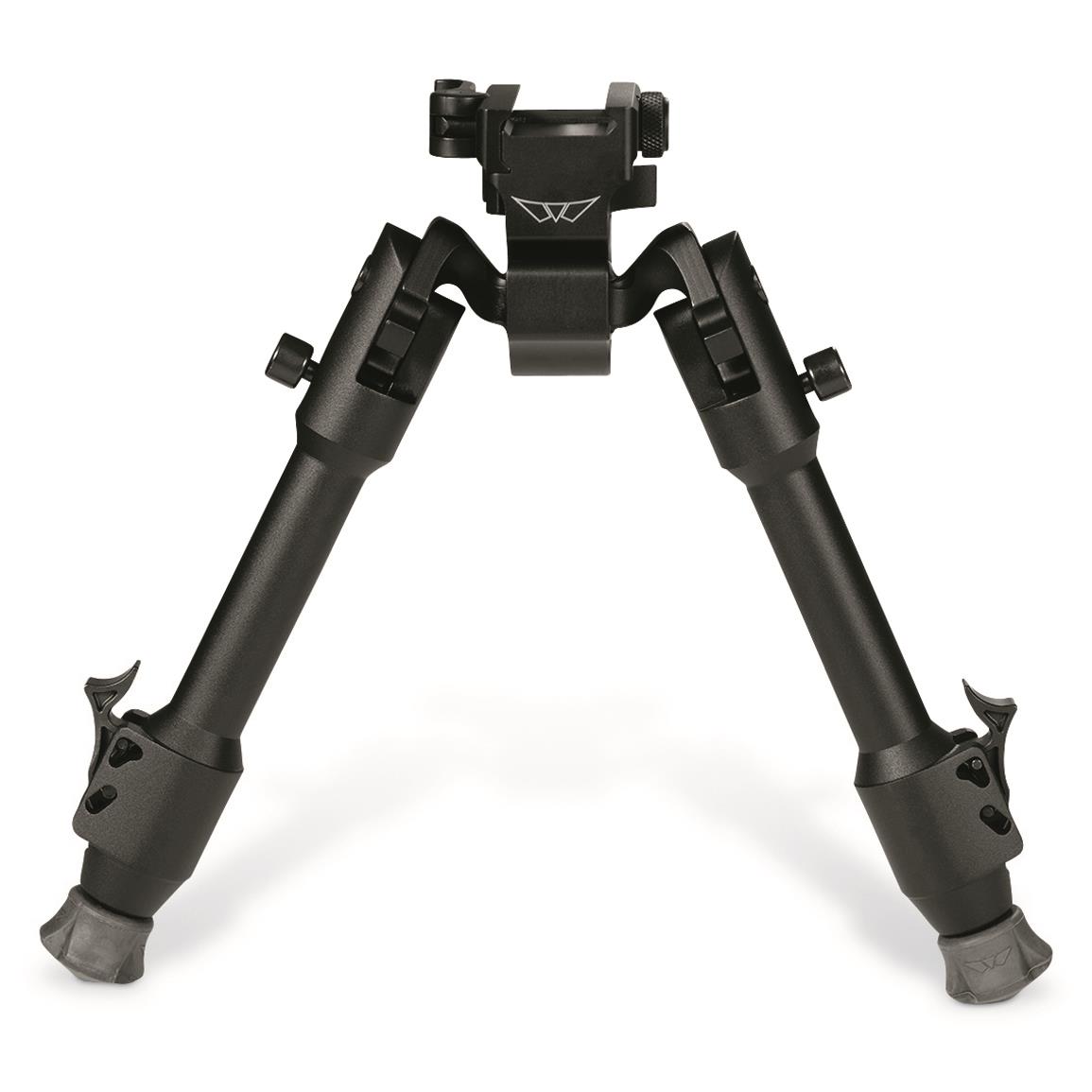
The Seekins Precision aluminum chassis provides the backbone for the Havak’s modularity and accuracy. The rigid aluminum construction eliminates the bedding issues that plague traditional wood and synthetic stocks, ensuring the barreled action returns to zero after cleaning or barrel removal. The chassis features M-LOK slots along the forend and sides, allowing you to mount bipods, lights, or other accessories exactly where you need them.
The adjustable length of pull and comb height let you customize the fit without aftermarket parts or permanent modifications. The AR-style pistol grip can be swapped for any AR-15 compatible grip, so if you prefer a steeper angle or different texture, installation takes about 30 seconds with an Allen wrench. The AICS magazine compatibility means reliable feeding and widely available spare magazines in 5 and 10-round capacities. For hunters who glass extensively before shooting, the ability to carry spare magazines beats fumbling with loose cartridges when a shot opportunity appears.
Customization Options
The chassis design supports accessories without requiring permanent modifications. If you’re setting up for mountain hunting, you can strip accessories to save ounces. For tactical hunting situations with longer observation periods, you can add a barricade stop, bag rider, or even a small rail section for a night vision device.
Common Mistakes When Buying a Havak Rifle
Choosing the wrong model for your hunting style ranks as the most common error. The Havak PH (Pro Hunter) at around 8 pounds bare is ideal for spot-and-stalk hunting where you’re covering miles. The MHR (Mountain Hunter Rifle) sheds another pound for serious elevation gains. The BTR (Backcountry Tactical Rifle) adds weight but provides enhanced stability for longer shots from prone positions. Match your model to your actual hunting terrain rather than what looks coolest.

Overlooking chambering selection causes regret later. The 6.5 Creedmoor and 6.5 PRC dominate sales, but if you’re hunting larger game or need more energy at extended ranges, the 300 Win Mag or 28 Nosler make more sense. Consider ammunition availability in your area and whether you reload. Premium factory ammunition for the Havak runs $40-80 per box, so if you’re shooting 200+ rounds per year for practice, reloading costs matter.
Skipping the optics budget leaves performance on the table. A $2,800 rifle deserves better than a $300 scope. Plan to spend at least 50-75% of your rifle cost on quality glass, rings, and a solid mounting system. The Havak’s accuracy potential can’t be realized through mediocre optics.
Failing to test multiple ammunition types before settling on a hunting load costs both money and accuracy. Every barrel has preferences, and the difference between 0.5 MOA and 1.2 MOA often comes down to finding the right bullet weight and powder combination. Buy single boxes of 4-5 different premium loads and test them before committing to bulk purchases.
Ignoring the break-in period can affect long-term accuracy. Seekins recommends a basic break-in procedure involving cleaning every 5-10 rounds for the first 50 rounds. This smooths the bore and establishes a consistent fouling pattern. It’s not complicated, but skipping it entirely sometimes leads to accuracy issues that proper break-in would have prevented.
Comparing Havak Models: PH vs MHR vs BTR
| Model | Weight (Bare) | Barrel Length | Best Use Case | Price Range |
|---|---|---|---|---|
| Havak PH | 7.5-8 lbs | 20-24″ | All-around hunting | $2,400-2,800 |
| Havak MHR | 6.5-7 lbs | 20-22″ | Mountain/backcountry | $2,600-3,000 |
| Havak BTR | 8.5-9 lbs | 24-26″ | Long-range tactical | $2,800-3,200 |
The Havak PH (Pro Hunter) serves as the standard model and the most versatile option for hunters who split time between different terrain types. With a weight around 8 pounds bare, it’s light enough for reasonable carries but stable enough for precision shooting from field positions. The standard barrel lengths (22-24 inches in most chamberings) provide full velocity potential without becoming unwieldy in timber or brush.

The Havak MHR (Mountain Hunter Rifle) strips weight aggressively through a shorter barrel, lighter contour, and reduced chassis material. At 6.5-7 pounds bare, it’s a legitimate mountain rifle that won’t destroy your back during steep climbs. The trade-off comes in slightly reduced velocity (typically 50-100 fps less than longer barrels) and potentially more felt recoil in magnum chamberings. If you’re hunting above timberline where every ounce matters and shots rarely exceed 400 yards, the MHR makes perfect sense.
The Havak BTR (Backcountry Tactical Rifle) adds weight and length for maximum stability and precision at extended ranges. The longer barrel extracts every bit of velocity from your chosen chambering, and the additional mass helps manage recoil during multiple-shot strings. This model suits hunters who glass extensively, shoot from stable positions, and regularly engage targets beyond 500 yards. The weight penalty (8.5-9 pounds bare) means you’re not covering serious miles on foot, but for set-and-wait hunting scenarios, the BTR maximizes the platform’s capabilities.
Quick Takeaways: Model Selection
- PH works for 80% of hunting situations and terrain types
- MHR sacrifices velocity and stability for serious weight savings
- BTR maximizes precision but demands vehicle or short-range access
- All models share the same action, trigger, and accuracy potential
- Weight difference between PH and MHR is about 1-1.5 pounds
- Consider where you actually hunt, not aspirational scenarios
The Semi-Custom Advantage
The term “semi-custom” describes the Havak’s position between mass-produced hunting rifles and true custom builds. Seekins employs quality control standards that rival small custom shops, including individual barrel testing and hand-assembly by experienced gunsmiths. Each rifle ships with a test target showing actual accuracy results, not theoretical guarantees.

The production advantages show up in parts availability and customer support. Unlike custom builders who may use proprietary components, the Havak uses industry-standard parts like AICS magazines, AR grips, and common thread pitches. If something breaks in hunting camp, you’re not waiting weeks for a special-order part. Seekins maintains responsive customer service and typically turns around warranty work in 2-3 weeks rather than the months-long waits common with boutique builders. You’re getting custom-level performance with production-level support and availability.
Finding Current Deals on Seekins Havak Rifles
The Havak rarely sees dramatic discounts due to consistent demand and Seekins’ pricing discipline. The best opportunities typically appear during spring and late fall when retailers clear inventory for new model years. Discounts of $200-400 occasionally appear, particularly on less common chamberings or left-hand models that move slower.
If you’re shopping for a Havak, focus on finding the right model and chambering rather than chasing the absolute lowest price. A $200 savings means nothing if you end up with the wrong configuration for your hunting style. Watch for package deals that include quality scope rings or other accessories rather than pure price cuts. Some retailers offer better value through included upgrades like upgraded triggers (Seekins offers TriggerTech Special and Diamond options) or Cerakote color options at no additional cost.
Military and law enforcement discounts through programs like ExpertVoice can provide 10-20% savings if you qualify. Estate sales and used markets occasionally offer Havaks at 20-30% below retail, but inspect carefully for barrel wear and verify round counts. The Havak’s durability means a well-maintained used rifle can provide years of service, but buying from unknown sources carries risk.
FAQ
Q: What’s the actual accuracy guarantee on a Havak rifle?
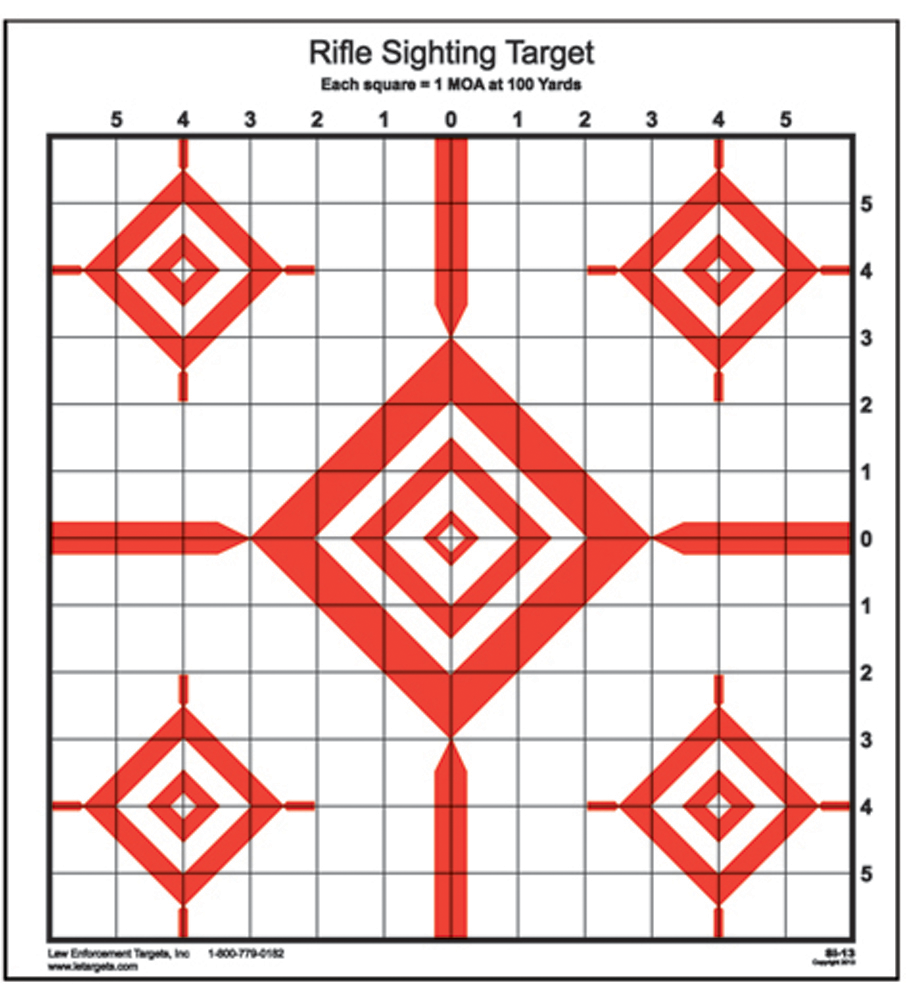
Seekins guarantees sub-MOA (under 1 inch at 100 yards) with match-grade ammunition. Most owners report 0.5 to 0.75 MOA groups with proper load development. Your results depend on ammunition selection, shooting fundamentals, and optics quality.
Q: Can I change barrels myself or do I need a gunsmith?
The barrel nut system allows barrel changes with basic tools and a barrel vise. Seekins sells replacement barrels, and the process takes about 30 minutes if you’re mechanically inclined. Proper headspacing is critical, so if you’re uncertain, a gunsmith should handle it.
Q: How does the Havak compare to a Bergara Premier or Christensen Arms rifle?
The Havak typically shoots slightly tighter groups than the Bergara and matches or exceeds Christensen accuracy. The Seekins trigger is superior to both out of the box. Weight and balance vary by model, but the Havak’s chassis system offers more modularity than traditional stocks.
Q: What scope magnification range works best for tactical hunting?
For the Havak’s capabilities and typical tactical hunting ranges (200-600 yards), a 4-15x or 5-25x scope provides adequate magnification. Lower end allows quick target acquisition, while upper end supports precise shot placement at distance. Variable power beats fixed magnification for versatility.
Q: Is the Havak overkill for whitetail deer hunting?
If you’re shooting whitetails under 200 yards in thick cover, yes, the Havak’s capabilities exceed requirements. For hunting open country, fields, or western whitetails where 300-400 yard shots are common, the precision advantage helps ensure clean, ethical kills at distance.
Q: How many rounds before barrel replacement becomes necessary?
Barrel life depends heavily on chambering and shooting habits. A 6.5 Creedmoor barrel typically maintains accuracy for 2,500-3,500 rounds. Hotter magnums like 28 Nosler may need replacement at 800-1,200 rounds. For most hunters shooting 50-100 rounds annually, the barrel will outlast a decade of use.
The Seekins Precision Havak delivers on its promise of semi-custom performance at a production price point, making it a serious consideration for hunters who demand consistent sub-MOA accuracy in field conditions. The combination of match-grade components, exceptional trigger quality, and modular chassis design creates a platform that adapts to diverse hunting scenarios without requiring immediate upgrades. While the initial investment runs higher than standard production rifles, the Havak’s performance eliminates the upgrade cycle that often costs more in the long run.
For hunters ready to maximize their effective range and shot placement confidence, the Havak represents a logical endpoint rather than a stepping stone. The rifle’s capabilities will exceed most shooters’ skills, which means practice and fundamentals matter more than further equipment upgrades. If you’re serious about long-range hunting and willing to invest in the right tool for the job, the Havak earns its place in the premium tactical hunter category.




Comments are closed.