
Find the best scopes to match your .25 Creedmoor.


The 25 Creedmoor has earned a loyal following among hunters who want flat trajectories, mild recoil, and genuine long-range capability in a short-action package. But none of that matters if the optic sitting on top can’t keep up. Whether you’re chasing pronghorn across open prairie or posting up for whitetail at last light, the scope you choose will either unlock or limit what this cartridge can do.
This guide breaks down the ideal scope specs, compares three popular optic lines head to head, and covers the reticle and mounting details that actually matter for 25 Creedmoor hunting. No fluff – just practical advice from a shooter’s perspective so you can match the right glass to your rifle and your hunting style.

Ideal Scope Specs for 25 Creedmoor Hunting
The 25 Creedmoor is built for precision at distance, so your scope needs enough magnification to place shots confidently out to 600 yards and beyond while still being usable at closer ranges. A magnification range of 3-15x or 4.5-14x is the sweet spot for most hunting applications. You get enough low-end power for shots inside 200 yards in timber, and enough top-end to read wind and hold on vitals at longer distances. Going higher than 18x is rarely necessary for hunting and adds weight and bulk you probably don’t want on a field rifle.
For objective lens size, a 44mm to 50mm bell gives you the light transmission you need for dawn and dusk hunts without turning the scope into a boat anchor. A 44mm objective pairs well with medium-height rings on most 25 Creedmoor platforms and keeps the overall profile manageable. If you hunt primarily in low-light conditions – think deep timber or late-season evening sits – lean toward the 50mm end. Otherwise, 44mm keeps things compact and balanced.
Quick Checklist – What to Look For
- Magnification range between 3-15x and 5-25x depending on your typical shot distances
- Objective lens of 44mm to 50mm for a good balance of light and weight
- 30mm or 34mm main tube for more internal adjustment range
- Exposed or capped turrets depending on whether you dial or hold
- Side-focus parallax adjustment (essential for shots beyond 300 yards)
- Quality multi-coated lenses for edge-to-edge clarity
- At least 3.5 inches of eye relief for comfortable shooting
- Nitrogen-purged and O-ring sealed for fog and waterproofing
- Weight under 24 ounces if you plan to carry the rifle any real distance
Vortex vs Leupold vs Zeiss – Quick Comparison
These three brands consistently show up in conversations about hunting optics for good reason. The Vortex Viper PST Gen II in 3-15×44 offers an outstanding reticle system and reliable tracking at a price point that won’t empty your savings. It’s a favorite among shooters who want to dial for distance without spending premium-tier money. The unconditional lifetime warranty is a genuine differentiator – Vortex replaces or repairs with no questions asked, no receipt needed.

The Leupold VX-3HD in 4.5-14×40 is the classic American hunting scope. It’s lighter than most competitors in its class, the glass is crisp, and Leupold’s reputation for surviving abuse in the field is well earned. If you value a lightweight, no-nonsense scope that just works, this is hard to beat. The Zeiss Conquest V4 in 4-16×44 sits at the premium end and delivers noticeably superior low-light performance thanks to Zeiss’s T* lens coatings. If you regularly hunt the edges of legal shooting light, the difference is real.
| Feature | Vortex Viper PST Gen II 3-15×44 | Leupold VX-3HD 4.5-14×40 | Zeiss Conquest V4 4-16×44 |
|---|---|---|---|
| Magnification | 3-15x | 4.5-14x | 4-16x |
| Objective Lens | 44mm | 40mm | 44mm |
| Main Tube | 30mm | 30mm | 30mm |
| Weight | 21.5 oz | 16.2 oz | 21.2 oz |
| Reticle Options | EBR-4 MOA / MRAD | Duplex, Wind-Plex, BDC | ZMOA, Ballistic Turret |
| Parallax Adjust | Side focus | Side focus (CDS models) | Side focus |
| Price Range | Mid | Mid-High | High |
Best Reticle Picks for 25 Creedmoor Ballistics
The 25 Creedmoor pushes high-BC bullets like the 110-grain Hornady ELD-X and 131-grain Blackjack ACE at velocities that produce remarkably flat trajectories. This means your reticle doesn’t need to compensate for dramatic drop at moderate distances, but it absolutely needs to help you hold for wind – which is the real challenge with any cartridge at extended range. A Christmas tree-style reticle with hash marks for both elevation and windage, like the Vortex EBR-4 or a generic MRAD-based grid, gives you the most flexibility for quick holds without touching your turrets.

If you prefer simplicity and primarily hunt inside 400 yards, a BDC reticle matched to the 25 Creedmoor’s ballistic profile works well. Leupold’s CDS (Custom Dial System) is another solid approach – you send in your load data and they cut a custom turret matched to your specific cartridge and muzzle velocity. For shooters who want to dial rather than hold, an MOA or MRAD turret system with a matching reticle is critical. Mixing MOA turrets with an MRAD reticle – or vice versa – creates unnecessary math in the field and leads to missed opportunities. Keep your system consistent.
MOA vs MRAD – Which System for Hunting?
Both work. MOA is more familiar to most American hunters and offers slightly finer adjustments (1/4 MOA clicks vs 1/10 MRAD clicks). MRAD is mathematically simpler for quick calculations and is the standard in long-range competition circles. If you already use one system, stick with it. If you’re starting fresh and plan to stretch the 25 Creedmoor past 500 yards regularly, MRAD has a slight practical edge for making fast corrections.

Mounting Tips and Ring Height for Your Rifle
Getting the scope mounted correctly matters more than most hunters realize. A 25 Creedmoor built on a standard short-action platform – like a Remington 700 footprint or Tikka T3x – typically works best with a 20 MOA canted base if you plan to shoot beyond 500 yards. This pre-built cant gives your turrets more usable elevation adjustment in the direction you actually need it. For hunting inside 400 yards, a standard 0 MOA base is perfectly fine and simpler to set up.
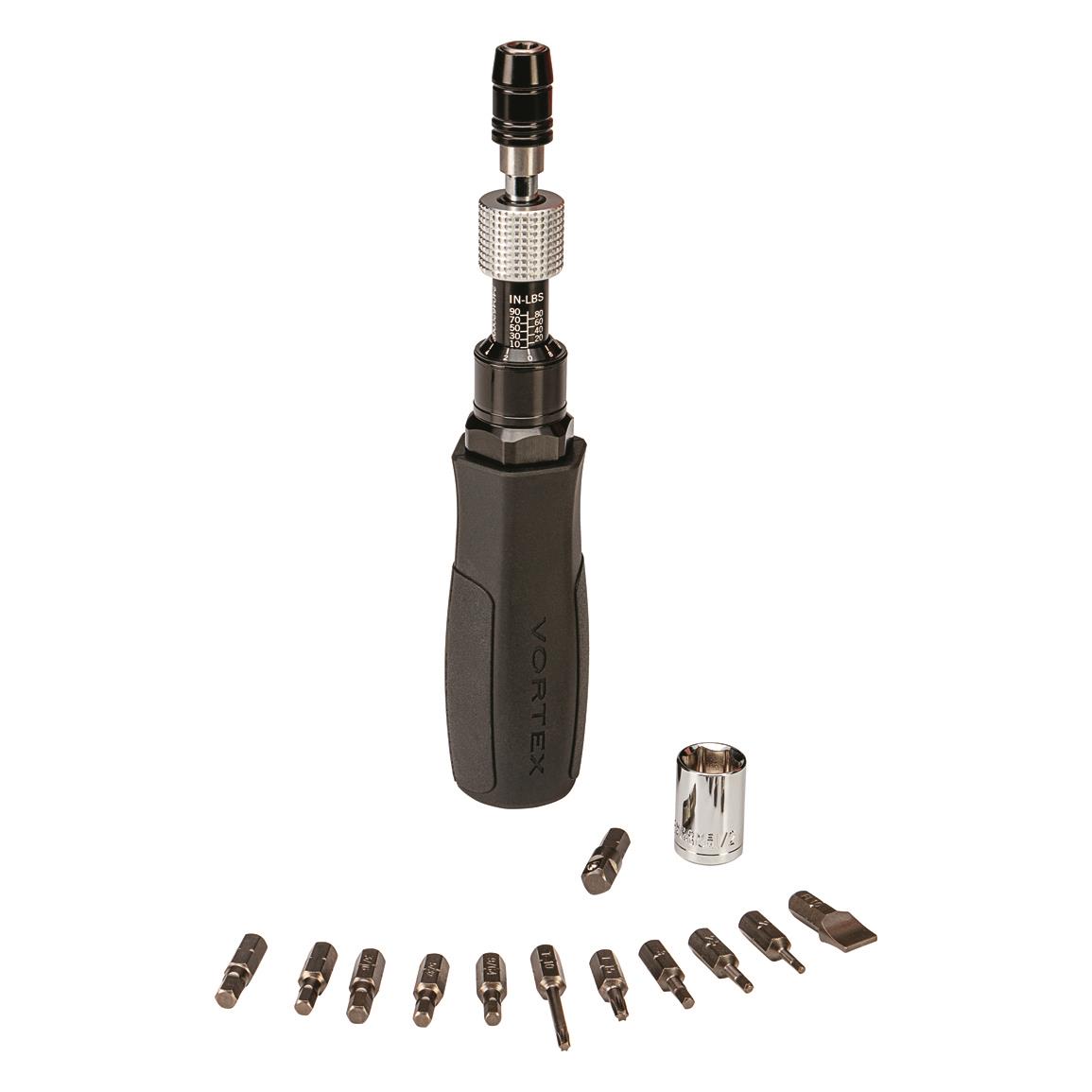
Ring height depends on your objective lens size and your specific stock. With a 44mm objective, medium-height rings usually provide enough clearance while keeping the scope as low as possible for a natural cheek weld. A 50mm objective typically requires medium-high or high rings. Before you buy rings, set the scope loosely on the rifle with the base installed and check for clearance between the objective bell and the barrel or any rail features. You want a minimum of a credit card’s thickness of gap. Torque your ring screws to the manufacturer’s specification using a torque wrench – over-tightening can damage the scope tube and void your warranty.
Common Mistakes When Choosing 25 Creedmoor Optics
Even experienced shooters make avoidable errors when pairing glass with a new rifle. Here are the most common ones to watch for:

- Buying too much magnification. A 6-24×56 scope on a lightweight 25 Creedmoor hunting rifle is overkill. You add weight, increase bulk, and the high magnification amplifies every heartbeat and wobble in field positions.
- Ignoring eye relief. The 25 Creedmoor is mild on recoil, but 3 inches of eye relief is still the minimum. Scopes with shorter eye relief can surprise you during rapid follow-up shots.
- Mixing MOA and MRAD. An MOA reticle paired with MRAD turrets – or the reverse – creates confusion when you need to make fast corrections.
- Cheaping out on rings and bases. A $900 scope mounted in $15 rings is asking for zero shift. If you’re shopping for rings, look for quality aluminum or steel options from reputable makers.
- Skipping the level. A canted scope introduces consistent left-right misses at distance. A simple anti-cant bubble level on the scope or rail costs very little and solves this immediately.
- Not matching the reticle to your shooting style. If you never dial turrets, a complex target-style reticle wastes subtensions you’ll never use. If you always dial, a plain duplex wastes the turret capability.
- Forgetting to verify zero after mounting. Always confirm zero with your actual hunting ammunition before heading to the field. Different loads can shift point of impact noticeably.
Quick Takeaways
- A 3-15x or 4-16x scope with a 44mm objective covers the vast majority of 25 Creedmoor hunting scenarios.
- Vortex Viper PST Gen II offers the best value; Leupold VX-3HD wins on weight; Zeiss Conquest V4 leads in low-light glass quality.
- Match your reticle system (MOA or MRAD) to your turrets – never mix them.
- Use a 20 MOA base if you plan to shoot past 500 yards regularly.
- Invest in quality rings and torque them to spec.
- Always confirm zero with your hunting load before any trip.
FAQ – Best Scopes for 25 Creedmoor Rifles
What magnification do I need for 25 Creedmoor hunting?
For most hunting situations, a variable scope in the 3-15x to 4-16x range covers everything from close brush encounters to 600-plus yard shots across open terrain. You rarely need more than 16x for hunting applications.
Is a first focal plane or second focal plane scope better for hunting?
Second focal plane (SFP) is the traditional choice for hunting because the reticle stays the same size regardless of magnification, making it easy to see at low power. First focal plane (FFP) is better if you use holdovers at varying magnification levels, which is more common in competition or tactical shooting.

Can I use a 25 Creedmoor scope on another rifle later?
Absolutely. A quality 3-15×44 or 4-16×44 scope works beautifully on cartridges like 6.5 Creedmoor, 308 Win, or 243 Win. The scope itself isn’t cartridge-specific – just the BDC reticle subtensions or custom turrets may be calibrated to a particular load.
Do I need illuminated reticle for hunting?
It’s a nice-to-have feature for low-light situations where a black reticle can disappear against a dark background. It’s not essential for most daytime hunting. If you frequently hunt dawn and dusk, illumination adds real value.
How much should I spend on a scope for 25 Creedmoor?
A general rule of thumb is to spend at least as much on your optic as you did on the rifle. For the 25 Creedmoor, scopes in the $500 to $1,200 range cover the sweet spot where optical quality, durability, and features align well with what the cartridge can do.
Should I buy a scope with exposed or capped turrets?
If you plan to dial elevation in the field, exposed turrets with a locking mechanism prevent accidental adjustment while giving you quick access. If you prefer to use holdovers and rarely touch your turrets, capped turrets keep things simple and protected. Match the turret style to how you actually shoot.





Comments are closed.