
.25 Creedmoor for Coyote and Predator Hunting


Most shooters think of the 25 Creedmoor as a deer and antelope cartridge. Fair enough – it excels there. But if you spend cold mornings behind an electronic caller waiting for coyotes, foxes, or bobcats to commit, this cartridge deserves a serious look. With the right bullet selection and a sensible rifle setup, the 25 Creedmoor is one of the flattest-shooting, most wind-resistant options you can carry into predator country. The trick is matching it to the job so you bring home clean pelts instead of hamburger.
Why the 25 Creedmoor Dominates Predator Setups
The 25 Creedmoor sends lightweight varmint bullets at velocities north of 3,400 fps, giving you a trajectory that stays remarkably flat out to 400 yards and beyond. For predator callers who set up in open terrain – wheat stubble, CRP fields, rangeland – that means less holdover guesswork when a coyote appears at an unknown distance. Compared to the 223 Rem or 22-250 Rem, the 25 Creedmoor bucks wind noticeably better thanks to higher ballistic coefficients available in 0.257-inch diameter bullets. That advantage grows the farther you stretch your shots.

Beyond raw ballistics, the 25 Creedmoor runs on the efficient 6.5 Creedmoor case necked up, so it feeds reliably from short-action magazines and produces moderate recoil. You can spot your own hits – or misses – through the scope without losing the target. Barrel life is respectable for a fast cartridge, typically 2,500 to 3,000 rounds with proper care. If you already own a 6.5 Creedmoor action, a barrel swap is all it takes to get into the game.
Best Varmint Bullets to Save Coyote Pelts
Pelt preservation is the single biggest concern when running a 25 Creedmoor on fur-bearing predators. A 115-grain hunting bullet designed for deer will blow a fist-sized exit hole through a coyote and destroy the hide. The solution is stepping down to lighter, frangible varmint projectiles that fragment on contact and dump energy inside the animal without punching through. Look for bullets in the 75 to 90 grain range specifically marketed for varmint use.
Two factory loads stand out for predator work. Hornady V-Max 87 grain is widely available, accurate in most rifles, and fragments violently at high velocity – exactly what you want for minimal pelt damage on broadside shots. Nosler Varmageddon 85 grain is another strong option with a similar design philosophy. Handloaders have even more flexibility; Sierra BlitzKing 75 grain and Hornady V-Max 75 grain can be pushed past 3,600 fps for explosive terminal performance on foxes and bobcats.
| Load | Weight | Approx MV (fps) | Best Use |
|---|---|---|---|
| Hornady V-Max | 87 gr | 3,400 | Coyotes at all ranges |
| Nosler Varmageddon | 85 gr | 3,425 | Coyotes, bobcats |
| Sierra BlitzKing (handload) | 75 gr | 3,650+ | Foxes, small predators |
| Hornady V-Max (handload) | 75 gr | 3,650+ | Close-range calling |
Lightweight Rifle and Optics for Calling Days
Predator hunting means moving – a lot. You might hit three or four stands in a morning, hiking between setups with a rifle, caller, decoy, shooting sticks, and extra layers. A rifle that weighs nine pounds before glass gets old fast. Look for a lightweight bolt-action in the six to seven pound range with a clean, crisp trigger. A shorter barrel – 22 inches works well for the 25 Creedmoor with varmint bullets – trims weight and makes the rifle easier to swing onto a coyote charging the decoy at 50 yards.
For optics, resist the urge to mount a giant long-range scope. A quality 3-9x or 4-12x variable with a 40mm objective covers 95 percent of predator calling situations. You need enough low-end magnification to pick up a coyote trotting in at 80 yards and enough top end to place a precise shot at 350. A simple duplex or BDC reticle keeps things fast. If you are shopping for a scope, prioritize clear glass and a wide field of view over maximum magnification.
Quick Checklist – Predator-Ready 25 Creedmoor Setup
- Bolt-action rifle, 6 to 7.5 lbs bare
- 22 to 24 inch barrel
- Trigger set at 2 to 3 lbs
- Variable scope in the 3-9x to 4-12x range
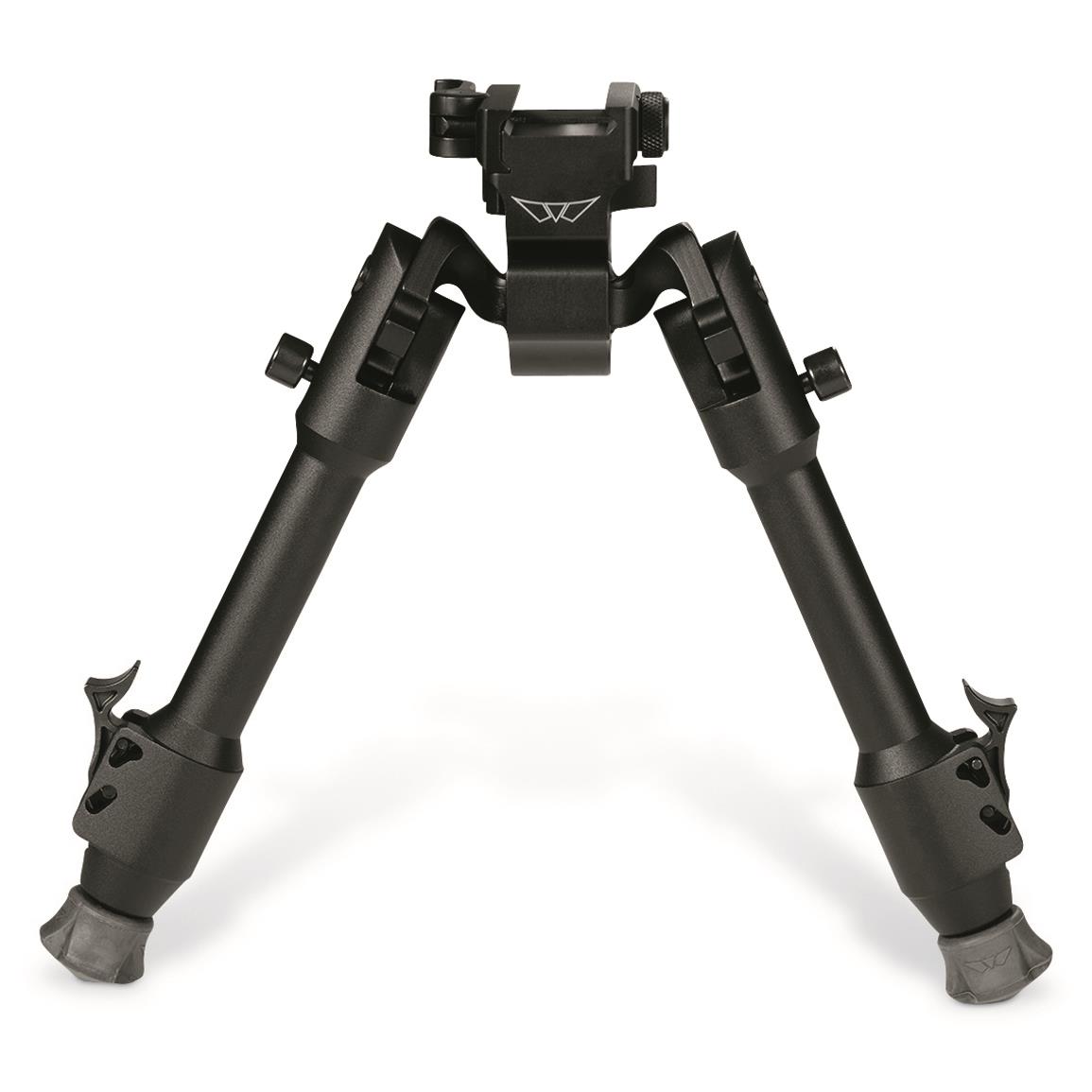
- Bipod or lightweight shooting sticks
- Frangible varmint bullets, 75 to 90 grains
- Suppressor-ready threaded muzzle (optional but helpful)
- Quality sling for hands-free carries between stands
Shot Placement Tips for Maximum Pelt Value
Where you put the bullet matters as much as which bullet you choose. The ideal aiming point on a broadside coyote is tight behind the front shoulder, centered vertically on the chest. A frangible varmint bullet entering here fragments inside the chest cavity, destroys the heart and lungs, and rarely exits. The entry hole is small – often quarter-sized – and there is no exit wound to sew up. The pelt stays in prime condition.
On a quartering-to shot, aim for the point of the near shoulder. This angles the bullet into the vitals and keeps fragmentation contained. Avoid head and neck shots unless you are extremely confident at the distance; a miss by two inches can destroy the cape or jaw, creating a wounded animal that escapes. For foxes and bobcats, the same behind-the-shoulder rule applies, but remember these animals are smaller – any bullet impact on the belly or hindquarter will cause disproportionate hide damage. Ethical, clean kills and quality pelts go hand in hand.
Quick Takeaways
- The 25 Creedmoor is a legitimate top-tier predator cartridge when paired with the right bullets.
- Use frangible varmint bullets in the 75 to 90 grain range to protect pelts.
- Keep your rifle and optics light – predator hunting is a mobile game.
- Aim tight behind the shoulder on broadside shots for minimal hide damage.
- Effective calling range of 100 to 400 yards plays perfectly to the cartridge’s strengths.
- Factory ammo from Hornady and Nosler covers most needs; handloading opens up lighter bullet options.
Common Mistakes With 25 Creedmoor on Coyotes
Even experienced predator hunters make avoidable errors when switching to the 25 Creedmoor. Here are the most common ones:
- Using deer-weight bullets on coyotes. A 115 or 110 grain bonded bullet will pass clean through a coyote, leaving massive entrance and exit wounds. Save those for big game.
- Over-scoping the rifle. A 6-24x scope on a predator rig is slow to acquire targets and heavy. Most called coyotes appear inside 300 yards.
- Neglecting to confirm zero with varmint loads. Switching from a 115-grain deer load to an 87-grain varmint load can shift point of impact by several inches. Always re-zero.
- Shooting at running coyotes at long range. The 25 Creedmoor is fast, but a coyote at a full run at 350 yards requires significant lead. Wait for the animal to stop – a lip squeak or bark usually freezes them.
- Forgetting hearing protection. The 25 Creedmoor is loud, especially from a lightweight rifle with a short barrel. Electronic ear muffs or a suppressor protect your hearing without hurting your awareness in the field.
- Not practicing from field positions. Bench accuracy means nothing if you cannot shoot well off sticks, a bipod, or sitting cross-legged. Train the way you hunt.
FAQ – 25 Creedmoor for Predator Hunting
Is the 25 Creedmoor overkill for coyotes?
Not with the right bullet. A frangible 85 to 87 grain varmint bullet at 3,400 fps fragments inside a coyote-sized animal and does less pelt damage than many slower cartridges firing tougher bullets. The cartridge is only “overkill” if you use heavy, controlled-expansion projectiles meant for deer.
How does the 25 Creedmoor compare to the 223 Rem for predators?
The 223 Rem is lighter, cheaper to shoot, and perfectly adequate inside 250 yards. The 25 Creedmoor pulls ahead in wind resistance and energy retention beyond 300 yards. If you hunt open country where 300 to 500 yard shots happen regularly, the 25 Creedmoor is the better tool.
Can I use the same rifle for deer and coyotes?
Absolutely. That is one of the best arguments for the 25 Creedmoor as a predator cartridge. Run 115-grain hunting bullets for deer season, then swap to 85 to 87 grain varmint loads for winter calling. Just confirm zero each time you switch loads.

What is the maximum effective range on coyotes?
With a solid rest and practice, 500 yards is realistic for an experienced shooter. For most calling situations, 100 to 400 yards covers the vast majority of shot opportunities. Focus on making clean kills rather than chasing maximum distance.
Is factory 25 Creedmoor varmint ammo hard to find?
It is less common on store shelves than 223 Rem or 22-250 Rem, but major manufacturers like Hornady produce varmint-weight loads. Online retailers typically have the best selection and pricing. Handloading gives you the widest bullet choices and the best per-round cost over time.
Do I need a suppressor for predator hunting?
You do not need one, but a suppressor reduces recoil, muzzle blast, and noise – all of which help you stay on target, protect your hearing, and avoid spooking other predators in the area. Check your local and state regulations before purchasing, as suppressor legality for hunting varies by jurisdiction.





Comments are closed.