
AR-15 vs Mini-14 for Hunting: Which Proves More Reliable in the Field?


The Ruger Mini-14 earned its “ranch rifle” reputation by doing one thing well – showing up ready to work without fuss. Built around a simplified M1 Garand action, it became a fixture on rural properties across North America for predator control, varmint management, and light deer hunting. Its traditional wood-and-steel profile also made it welcome in hunting camps where tactical-looking firearms drew sideways glances.
The AR-15 platform took a different path to the field. Born from military engineering and refined through decades of civilian innovation, it offers direct impingement efficiency, near-infinite customization, and modern ergonomics that appeal to a new generation of hunters. Today, purpose-built AR-15 hunting configurations chambered in 223 Rem, 6.5 Grendel, and 300 Blackout have earned serious credibility. But credibility at the range and credibility in freezing rain at dawn are two different things. This article breaks down which rifle actually proves more reliable when it matters most.

AR-15 vs Mini-14 Field Reliability Compared
The Mini-14’s operating system is its strongest argument. The Garand-style rotating bolt and long-stroke gas system are inherently tolerant of fouling, debris, and neglect. The action throws carbon and grime forward, away from the trigger group, which means the rifle keeps cycling even when maintenance has been deferred – a reality for many hunters midway through a week-long trip. Ranchers who leave a Mini-14 behind the truck seat for months and expect it to fire on demand are rarely disappointed.
The AR-15’s direct impingement system routes gas – and the carbon it carries – back into the bolt carrier group. This design is mechanically efficient and contributes to the platform’s accuracy, but it demands more regular cleaning to maintain peak reliability. That said, modern AR-15s with quality bolt carrier groups and proper lubrication run thousands of rounds between malfunctions. If you keep the rifle reasonably maintained, the reliability gap narrows considerably. In extreme cold, the AR-15’s tighter tolerances can occasionally cause sluggish cycling, while the Mini-14’s looser action shrugs off temperature swings.
| Factor | Mini-14 | AR-15 |
|---|---|---|
| Tolerance to dirt/debris | Excellent | Good (with maintenance) |
| Cold weather cycling | Very reliable | Occasionally sluggish |
| Carbon fouling resistance | High | Moderate |
| Ammo sensitivity | Feeds almost anything | Slightly pickier with steel case |
| Parts availability in the field | Limited | Widely available |
Accuracy Tests That Actually Matter Afield
For years, the Mini-14 carried a reputation for mediocre accuracy – and it was deserved. Early models with thin, pencil-profile barrels would walk shots as the barrel heated, producing groups of 3 to 4 MOA that frustrated anyone trying to reach past 150 yards. Ruger addressed this with the 580-series rifles, introducing a heavier, tapered barrel that tightened groups noticeably. A well-tuned modern Mini-14 with quality 223 Rem ammunition can deliver 1.5 to 2 MOA groups, which is perfectly adequate for coyotes inside 200 yards and whitetail within ethical range in states and provinces where 223 Rem is legal for deer.
The AR-15 still wins the accuracy contest, and it is not particularly close. A mid-tier AR-15 with a free-floated barrel routinely shoots sub-MOA with match-grade ammunition, and even budget hunting loads often group around 1.5 MOA. That precision matters when you are taking a 250-yard shot across a cut cornfield at a coyote or placing a round precisely behind a deer’s shoulder. If accuracy at distance is your priority – and for ethical hunting it should be – the AR-15 gives you a measurable advantage without requiring a custom build.
What “Accurate Enough” Really Means for Hunters
Most North American hunting shots on deer-sized game happen inside 200 yards. At that distance, a 2 MOA rifle places shots within a 4-inch circle – well inside the vital zone. The Mini-14 handles that job. But if your hunting involves open terrain, longer shots, or smaller targets like prairie dogs, the AR-15’s tighter groups translate directly into more humane kills and fewer lost animals. Accuracy is an ethical obligation, not just a bragging right.
Carrying Comfort on All-Day Hunting Treks
The Mini-14 in its classic wood-stock configuration weighs around 6.75 pounds unloaded. It balances between the hands naturally, and the traditional stock profile sits comfortably in the crook of your arm during long walks. There are no rails, sharp edges, or protruding accessories to snag on brush. For hunters who spend hours pushing through thick cover on deer drives or walking fence lines for coyotes, the Mini-14 feels like a proper field rifle. The smooth profile also slides in and out of a scabbard easily – a real advantage for hunters on horseback or ATVs.
A standard AR-15 with a 16-inch barrel, collapsible stock, and optic typically weighs between 6.5 and 8 pounds depending on configuration. The modular nature of the platform means you can build an ultralight hunting AR under 6 pounds with a carbon-fiber handguard and pencil barrel, or you can accidentally create a 9-pound range toy loaded with accessories. Discipline matters with the AR-15 – every ounce of rail-mounted gear you add comes out of your legs on mile five. If you are shopping for a hunting AR, look for lightweight handguards and resist the urge to mount anything you would not carry in your pack anyway.
Optics Mounting – Scout Scope vs Full Rail
The Mini-14 does not come with a Picatinny rail from the factory on most models. Mounting optics typically means using Ruger’s proprietary scope rings that attach to the receiver, or adding an aftermarket scout-style rail for a forward-mounted long-eye-relief scope. The scout scope setup works well for fast target acquisition at moderate ranges – ideal for brush hunting and quick shots on running predators. However, it limits your magnification options and rules out most modern low-power variable optics without modification.
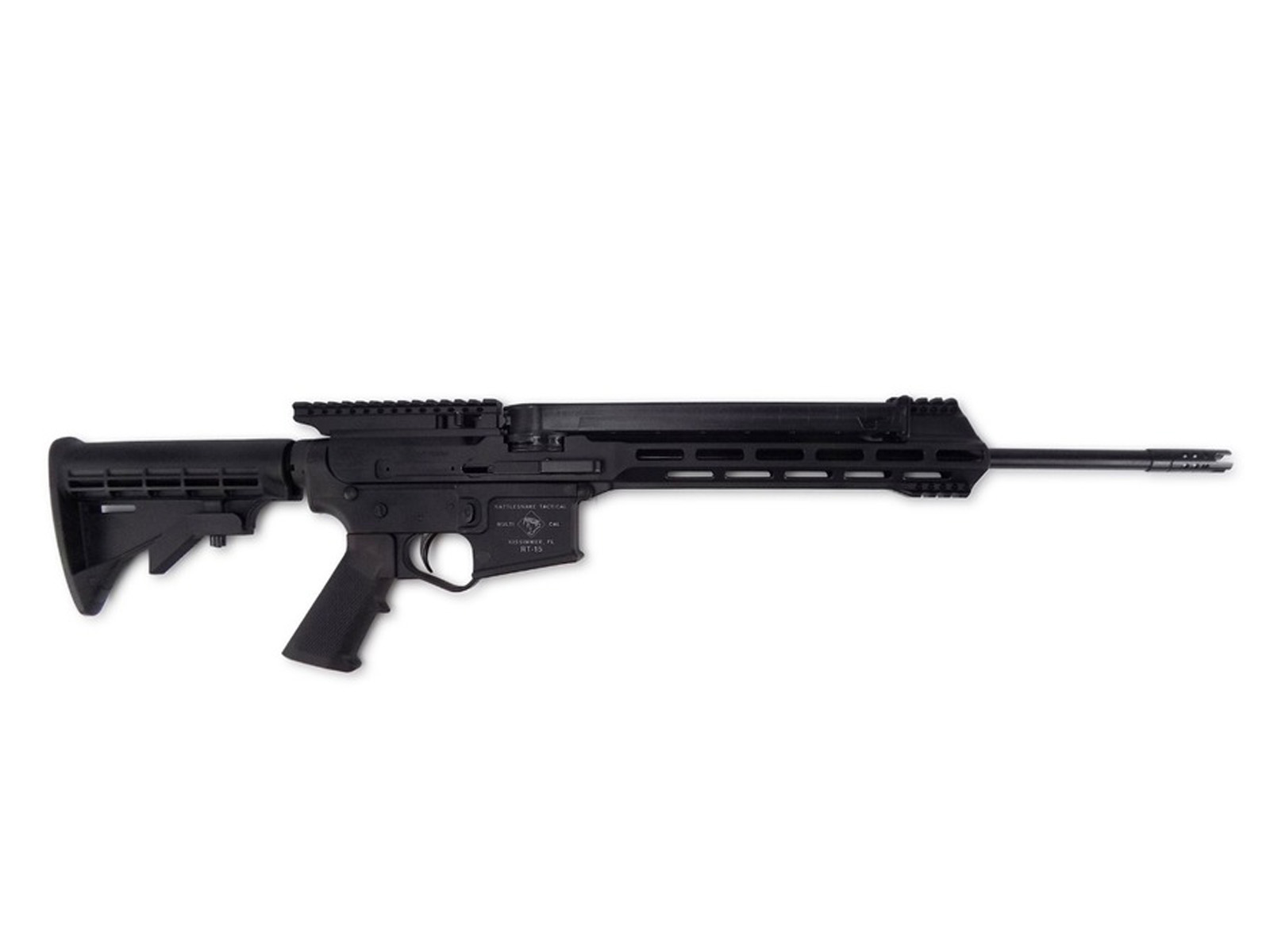
The AR-15’s flat-top upper receiver with a full-length Picatinny rail is one of its greatest practical advantages for hunters. You can mount virtually any optic – from a red dot for close-range hog hunting to a 1-6x or 2-10x LPVO for versatile field use – without adapters or compromises. Swapping optics between seasons or hunting styles takes minutes. If flexible optics mounting is important to you, the AR-15 makes the process painless. A simple upgrade like a quality quick-detach mount lets you run iron sights as a backup without tools.
Common Mistakes Hunters Make With Both Rifles
Even experienced shooters fall into avoidable traps with these platforms. Here are the most common errors that compromise reliability and effectiveness in the field:
- Under-lubricating the AR-15 bolt carrier group – The direct impingement system needs lubrication to run reliably, especially in cold weather. A dry AR-15 is an unreliable AR-15.
- Using old or worn Mini-14 magazines – Factory Ruger magazines are reliable. Aftermarket Mini-14 magazines have a long history of feeding problems. Stick with factory mags for hunting.
- Mounting cheap optics on either rifle – A $300 scope on a $900 rifle is a false economy. Budget glass fogs, loses zero, and fails at the worst moment.
- Ignoring ammunition testing before hunting season – Both rifles can be picky about specific loads. Zero and pattern-test your chosen hunting ammunition well before opening day.
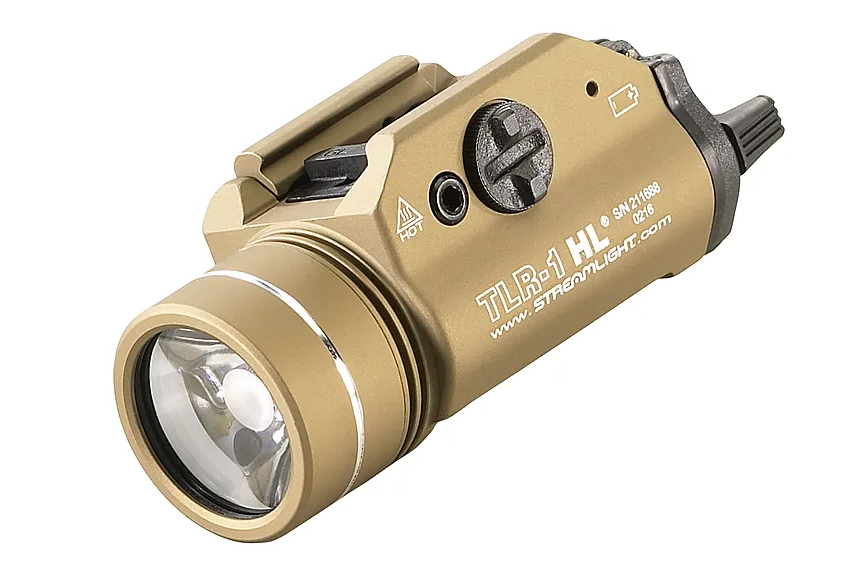
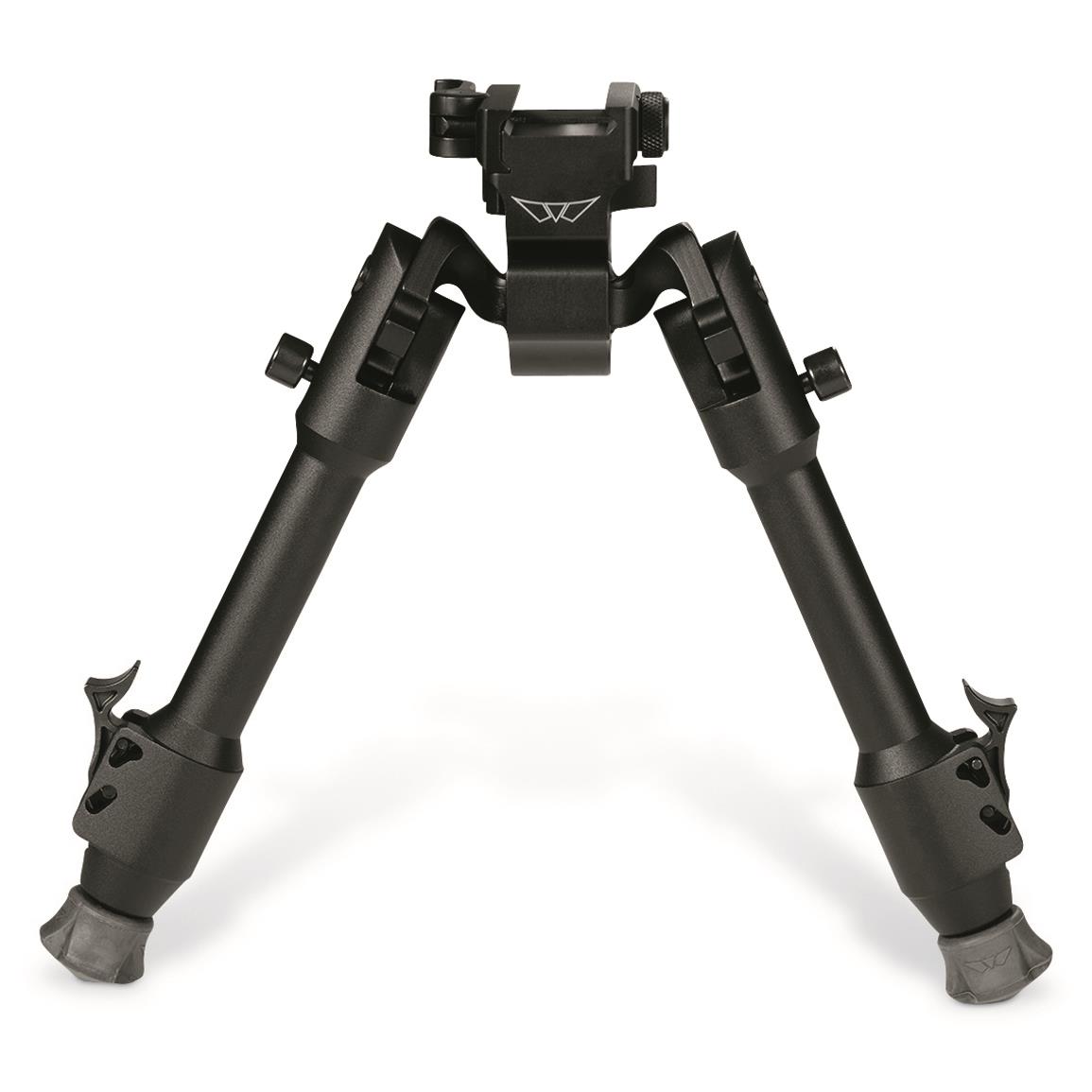
- Overloading the AR-15 with accessories – Bipods, lights, lasers, and backup sights belong on a duty rifle, not a hunting rifle. Strip it down to what you actually need in the field.
- Neglecting to check the Mini-14’s gas block screws – These can loosen over time and cause cycling issues. A quick check with a wrench before each season takes 30 seconds.
- Assuming 223 Rem is legal for deer in your state or province – Regulations vary widely. Several states and Canadian provinces have minimum caliber requirements that exclude 223 Rem for deer-sized game. Always verify local regulations before hunting.
Quick Checklist Before Your Hunt
- [ ] Rifle cleaned and properly lubricated
- [ ] Optic zeroed with your specific hunting load
- [ ] Magazines loaded and function-tested
- [ ] Gas system screws checked (Mini-14) or bolt carrier group inspected (AR-15)
- [ ] Sling attached and adjusted for your layers
- [ ] Spare ammunition accessible but secure
- [ ] Local caliber and magazine capacity regulations confirmed
- [ ] Safety mechanism tested and functioning
Quick Takeaways
- The Mini-14 wins on simplicity and adverse-condition tolerance – it runs dirty, cold, and neglected better than most AR-15s
- The AR-15 wins on accuracy, optics flexibility, and parts availability – it is the more precise and adaptable platform
- Both rifles are adequately reliable for hunting when properly maintained
- The AR-15 requires more cleaning discipline but rewards you with sub-MOA potential
- For traditional hunters who value aesthetics and simplicity, the Mini-14 still makes a compelling case
- For hunters who want one rifle that adapts across seasons and game, the AR-15 is harder to beat
- Neither rifle is a wrong choice – the best one is the one you shoot well and maintain consistently
FAQ – AR-15 vs Mini-14 Hunting Questions
Is the Mini-14 accurate enough for deer hunting?
Yes, modern 580-series Mini-14 rifles shooting quality 223 Rem soft-point or polymer-tip ammunition can hold 2 MOA or better, which is sufficient for ethical shots inside 150 to 175 yards. Just confirm that 223 Rem meets your jurisdiction’s minimum caliber requirement for deer.

What is the best AR-15 configuration for hunting?
A 16-inch free-floated barrel, a lightweight handguard, a quality 1-6x or 2-7x optic, and a simple two-point sling. Skip the accessories you would not carry on a bolt-action rifle. Chambering depends on your game – 223 Rem for varmints and predators, 6.5 Grendel or 6.8 SPC for deer-sized game where straight-wall cartridges are not required.

Which rifle handles steel-case ammunition better?
The Mini-14 generally feeds and extracts steel-case ammunition more reliably due to its looser chamber tolerances and robust extractor. Some AR-15s run steel case fine, but others experience extraction issues, especially with lacquer-coated cases. For hunting, quality brass-case ammunition is always the better choice regardless of platform.
Are AR-15s legal for hunting in Canada?
As of current regulations, AR-15 pattern rifles are prohibited in Canada following the May 2020 Order in Council. Canadian hunters considering a semi-automatic 223 Rem rifle should look at the Mini-14 or other non-restricted alternatives. Always check the most current RCMP Firearms Reference Table before purchasing.
How often should I clean my AR-15 during a multi-day hunt?
A quick wipe-down of the bolt carrier group and a few drops of lubricant every evening in camp is sufficient for most conditions. In rain, snow, or dusty environments, a brief field cleaning at midday is good insurance. The Mini-14 can typically go the full trip without intervention, but a basic cleaning never hurts.
Does magazine capacity matter for hunting?
Most states limit magazine capacity for hunting to 5 or 10 rounds, and several Canadian provinces require 5-round limits. Both platforms have compliant magazines available. Practically speaking, if you need more than a few rounds on a hunt, shot placement – not capacity – is the issue worth addressing.





Comments are closed.