
Scope Rings: Steel vs Aluminum vs Titanium

Why Scope Ring Material Affects Your Zero
The scope ring is the only thing standing between your optic and the rifle. If those rings flex, compress unevenly, or shift under recoil, your zero moves – and that matters whether you are shooting a 308 Win at 600 yards or a 300 Win Mag in the backcountry. Ring material directly affects how well that connection holds over time, under pressure, and across temperature changes.
Most shooters spend serious money on a quality scope and then treat the rings as an afterthought. That is a mistake. The material your rings are made from determines how much torque they can handle, how much weight they add to your build, and whether they stay put after hundreds of rounds through a heavy-recoiling rifle. Getting this choice right the first time saves you a re-zero session at the worst possible moment.
Steel Scope Rings – Strength and Durability
Steel rings are the gold standard for precision rifle builds and heavy-recoiling calibers. They offer the highest tensile strength of the three materials, meaning they resist deformation under the kind of sustained recoil you get from calibers like 338 Lapua Mag or 300 PRC. If you are running a bolt gun that sees regular anddemanding use – whether that is a long-range competition rifle or a hunting rig for elk country – steel rings are hard to beat for raw reliability.
The trade-off is weight. Steel rings typically run 20 to 40 percent heavier than comparable aluminum options. For a dedicated bench rifle or a hunting setup where you are not counting every ounce, that weight penalty is easy to accept. Brands like Nightforce have built their reputation partly on steel ring construction, and their rings are a common sight on precision rifles where consistent zero retention is non-negotiable.
What steel rings are best for
- Heavy magnum calibers (338 Lapua, 300 Win Mag, 375 H&H)
- Long-range precision competition rifles
- Rifles that see high round counts
- Any build where absolute zero retention outweighs weight concerns
- Situations where rings may take physical abuse in the field
Aluminum Scope Rings – Lightweight and Affordable
Aluminum rings dominate the market for one simple reason – they work well for most shooters at a price that does not hurt. The most common alloy used is 6061-T6 aluminum, which offers a solid strength-to-weight ratio and machines cleanly. For calibers up through 308 Win, 6.5 Creedmoor, or even lighter magnum loads, quality aluminum rings hold zero reliably and do not give up much to steel in practical shooting scenarios.
The word "aluminum" covers a wide range of quality, and that is where shooters get into trouble. A cheap set of aluminum rings from an unknown brand and a set of Seekins Precision aluminum rings are both aluminum – but they are not the same product. Higher-end aluminum rings use better alloys, tighter machining tolerances, and proper anodizing that resists corrosion and wear. If you are shopping for aluminum rings, look for hard-anodized 6061 or 7075-T6 aluminum and pay attention to the machining quality around the ring gaps and cap screws.
What aluminum rings are best for
- Standard centerfire calibers up to moderate magnum loads
- Hunting rifles where weight savings matter
- Competition builds with lighter calibers like 6mm Creedmoor or 223 Rem
- Budget-conscious builds where cost must be balanced with performance
- Rimfire and air gun applications
Titanium Scope Rings – Premium Performance and Cost
Titanium rings sit at the top of the material hierarchy in terms of the strength-to-weight ratio. Titanium is roughly 45 percent lighter than steel while maintaining excellent tensile strength – close enough to steel in most real-world applications that the difference rarely matters in the field. For a shooter building an ultralight mountain rifle or a backcountry hunting rig where every gram counts, titanium rings are a legitimate performance upgrade, not just a premium flex.
The cost is the honest downside. Titanium rings can run two to four times the price of comparable steel rings, and significantly more than aluminum. Spuhr is one of the most recognized names in premium titanium and mixed-material mounts, and their products reflect the engineering required to work with titanium at tight tolerances. If you are already investing in a high-end custom rifle and a top-tier optic, titanium rings fit the build. If you are equipping a mid-range hunting rifle, the cost premium is harder to justify.
Strength and Torque Tolerance by Material
Torque tolerance is one of the most practical differences between these three materials. Steel is the most forgiving – you can apply manufacturer-specified torque values confidently and the material will not strip or deform under normal installation. Steel also handles repeated mount and dismount cycles better than the other two options, which matters if you are pulling your optic for transport or swapping it between rifles.
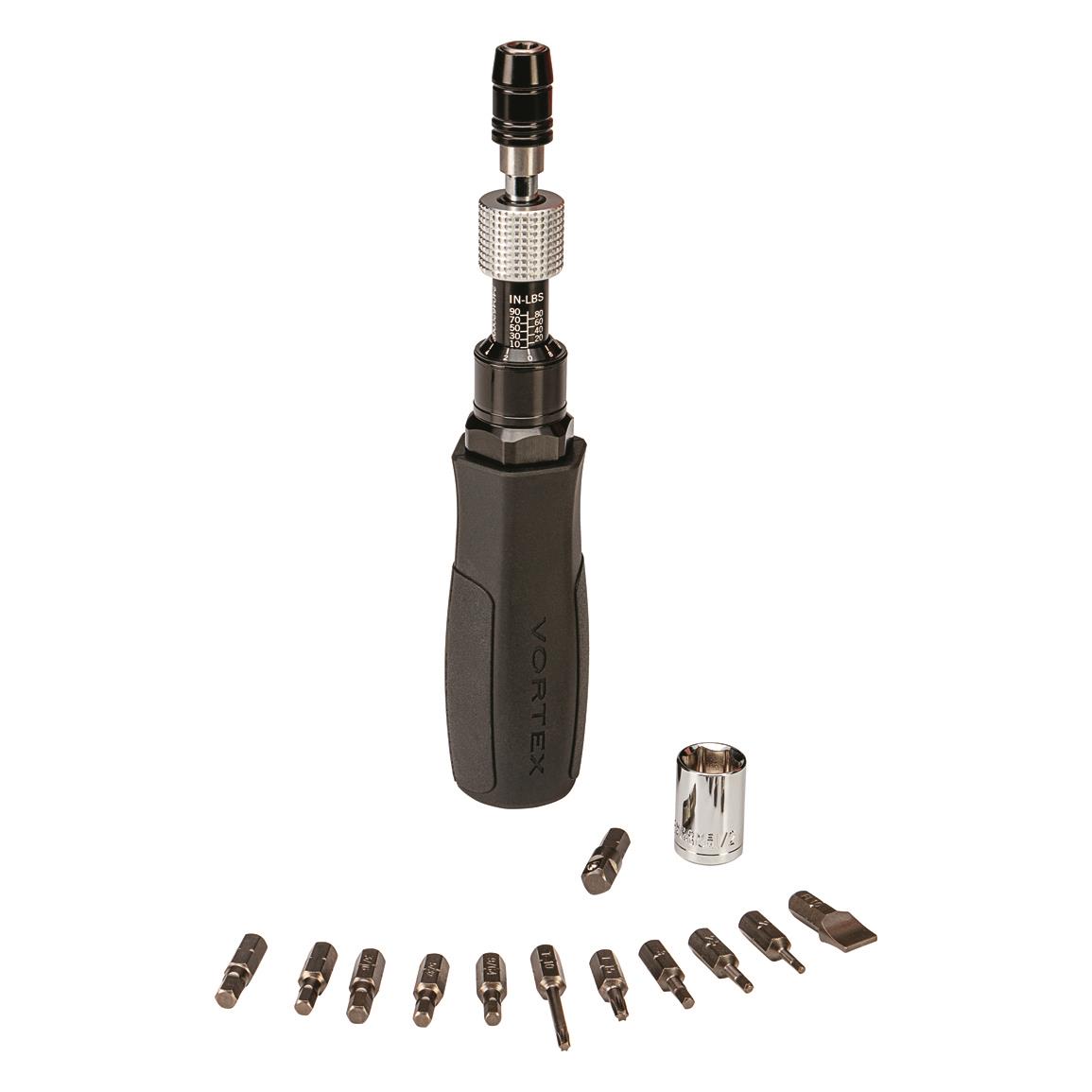
Titanium handles torque well but requires attention to galling, which is a surface damage issue that can occur when titanium contacts titanium under pressure. Using anti-seize compound on titanium fasteners is a standard practice. Aluminum requires the most care – overtorquing aluminum ring caps is one of the most common installation mistakes, and it can damage the ring, the scope tube, or both. Always use a torque wrench with aluminum rings and follow the manufacturer specifications closely.
Quick checklist – scope ring installation by material
- Use a torque wrench on all three materials, no exceptions
- Apply blue threadlocker (Loctite 243) to steel ring screws
- Apply anti-seize to titanium fasteners before assembly
- Never exceed manufacturer torque specs on aluminum caps
- Lap rings if needed to improve contact surface, especially on aluminum
- Check torque after the first 20 rounds on a new setup
- Re-check zero after any ring removal and reinstallation
Weight and Cost Breakdown Across All Three
Here is a practical comparison of what you can expect across the three materials for a standard 30mm ring set in a medium height:
| Material | Typical Weight (pair) | Relative Cost | Best Use Case |
|---|---|---|---|
| Steel | 5.5 – 7 oz | Mid-range | Heavy recoil, precision rifles |
| Aluminum | 2.5 – 4 oz | Budget to mid | Most hunting and competition |
| Titanium | 2 – 3 oz | Premium | Ultralight and high-end builds |
Weight savings between aluminum and titanium are real but modest in absolute terms – often under one ounce for a ring set. The jump from steel to aluminum is more significant, typically two to three ounces. For a mountain hunter packing miles into a backcountry unit, that difference adds up across the whole rifle system.
Common Mistakes When Choosing Scope Ring Material
Choosing the wrong ring material for the application is one of the most common avoidable errors in rifle setup. Here are the mistakes that show up most often:
- Buying aluminum rings for a heavy magnum caliber because they are cheaper – aluminum can hold under moderate recoil but consistent heavy recoil from calibers like 300 Win Mag will test lower-quality aluminum rings over time
- Overtorquing aluminum ring caps during installation, which can crush the scope tube or strip the threads
- Ignoring ring quality within a material category – not all 6061 aluminum rings are equal, and cheap steel rings can be worse than quality aluminum
- Skipping anti-seize on titanium fasteners, leading to galling and stuck screws
- Choosing titanium rings for a budget build where the cost does not match the rest of the rifle’s value
- Not lapping rings before mounting, which leaves uneven contact and increases the chance of scope tube damage
- Assuming heavier means stronger – titanium proves that the relationship between weight and strength is not linear
Weight and Cost Breakdown Across All Three
Quick takeaways
- Steel is the right call for heavy-recoiling calibers and precision rifles where zero retention is the top priority
- Aluminum covers the majority of hunting and competition use cases when quality alloys and proper installation are used
- Titanium makes sense for ultralight builds and high-end setups where budget is not the limiting factor
- Torque discipline matters with all three materials – use a torque wrench every time
- Ring quality within each material category varies widely – look for machining quality and alloy spec, not just price
- Weight savings from titanium over aluminum are real but modest – factor in cost before upgrading
- Any of the three materials can hold zero reliably when matched to the right caliber and installed correctly
FAQ – Steel vs Aluminum vs Titanium Scope Rings
Are steel scope rings better than aluminum for precision rifles?
For heavy-recoiling calibers and high round-count precision builds, steel rings offer better long-term zero retention and more forgiving torque tolerance. For standard calibers like 6.5 Creedmoor or 308 Win, quality aluminum rings perform comparably in most practical applications.
Will aluminum scope rings hold zero on a 300 Win Mag?
Quality aluminum rings in 6061-T6 or 7075-T6 can hold zero on 300 Win Mag, but they require careful installation and proper torque. For sustained heavy use with magnum calibers, steel rings are the safer long-term choice.
Are titanium scope rings worth the cost?
For an ultralight mountain rifle or a premium custom build, yes. For a mid-range hunting or target rifle, the cost premium over quality aluminum is hard to justify unless weight savings are a primary concern.
What torque should I use for aluminum scope ring caps?
Most manufacturers specify 15 to 25 inch-pounds for aluminum ring caps, but always follow the specific manufacturer recommendation. Never guess – use a torque wrench and go to the lower end of the range if you are unsure.
Can I use titanium rings with a steel scope tube?
Yes, titanium rings work with standard 30mm and 34mm steel scope tubes without compatibility issues. The anti-galling concern with titanium applies to titanium-on-titanium contact, particularly at the fasteners.
What scope ring material do most competition shooters use?
Long-range precision competition shooters often use steel rings for the reliability and torque tolerance. Lighter-caliber competition shooters and those focused on total system weight sometimes prefer quality aluminum. Titanium appears more often in ultralight and high-end custom builds than in mainstream competition rigs.



Comments are closed.