
BOG Tripod vs. Competitors: Is It Worth the Price?


Why We’re Comparing the BOG Tripod
Let’s get straight to it. When you’re spending long days in the field with wind, heavy rifles, and unpredictable conditions, your tripod needs to actually work. It needs to lock steady under recoil, hold your glass steady for hours of glassing, and survive mud, branches, and everything else nature throws at it.
We’re not here to repeat marketing claims or admire product photos. We want gear that makes follow-up shots possible and reduces fatigue during those brutal all-day glassing sessions. That’s what matters in the real world.
Our criteria are straightforward: stability, durability, speed of setup, and packability. In this article, we’re testing the BOG against its competition using these practical measures. We’ll tell you exactly when it’s worth the premium price and when a cheaper option makes more sense for your specific hunting conditions.
Expect clear verdicts and field-tested advice based on actual use, not spec sheets and vague marketing language.
1. What We Actually Expect from a Hunting Tripod
Understanding Stability: Absolute vs. Practical
There are two kinds of stability that matter in the field, and they’re not the same thing:

Absolute stability: Zero movement under heavy recoil. This is what you need when you’re shooting magnum calibers directly off the tripod. Any flex or wobble and your follow-up shot is delayed while you reacquire the target.
Practical stability: Steady enough for glassing and follow-up shots in real field conditions. This is what matters when you’re keeping a spotting scope locked on a distant deer while wind gusts and branches shift around you.
We don’t care about impressive lab numbers on a concrete floor with no wind. We favor gear that delivers both types of stability when it actually counts – in the conditions we hunt.
Head Options and Why They Matter for Follow-Up Shots
The head is where your rifle or optic actually connects to the tripod, and it determines how fast and accurately you can get back on target after your first shot. This isn’t a minor detail – it’s critical.

Ball heads: Lightning-fast for tracking moving game. You can swing smoothly in any direction. Great for dynamic situations.
Geared or pan-tilt heads: Finer control for long-range precision holds. Slower to adjust but more predictable for careful shots.
What we demand from any hunting head:
- Locks rock-solid under recoil (no creep, no slip)
- Smooth, predictable movement when glassing
- Quick, repeatable return-to-zero for follow-ups
- No fiddly adjustments that require bare hands in freezing weather
Here’s the truth: a cheap, sloppy head will completely ruin an otherwise solid tripod. Don’t skimp here.
Weight vs. Stability: The Fundamental Trade-Off
This is the eternal balancing act. A light tripod is easy to carry but often wobbles when your rifle breaks the shot. A heavier tripod stays steady but becomes a burden over miles of rough terrain.
Match your tripod weight to your mission:
Spot-and-stalk hunts: Prioritize packability. You’re covering serious miles, often at elevation. Every ounce matters.
Long glassing sessions: Favor stability and comfort. You’re not moving much, but you need rock-steady glass for hours.
Elevated stands or blinds: Mid-weight for quick setup and security. You’re not hiking far, but you need fast deployment.
Practical tip we use: If we’re bringing a lighter tripod for a mountain stalk, we compensate by adding a rear sandbag or shooting bag for extra stability when we actually shoot.
Packability and Transport Reality
We need legs that fold compact, durable carry straps that don’t break after a season, and a low-profile footprint that doesn’t snag on every branch.
Collapsible tripods that trap mud or catch branches constantly are more than annoying – they’re a legitimate problem in the field. Quick-release clamps that actually survive abuse (not just the first few uses) make a huge difference on multi-day treks.
Setup Speed and Noise: The Stealth Factor
A tripod that’s loud or requires fiddling with multiple adjustments can blow an opportunity. Think about it: you spot game at first light. How long does it take to get your tripod deployed and stable?
What we need:
- Leg locks that work with thick gloves
- Deployment that’s one or two simple motions
- Quiet operation that doesn’t spook game
We practice silent setups in actual hunting scenarios. The ability to deploy quietly under pressure is worth more than saving half a pound of weight.
Leg Adjustability for Real Terrain
Flat ground exists in parking lots and shooting ranges. In the field, you’re dealing with rocks, slopes, roots, and uneven terrain constantly.

What makes legs actually useful:
- Independent leg angles and lengths for leveling on any terrain
- Short center columns for getting low when needed
- Spiked feet for soft ground, rubber for rock
- Wide stance capability for stability on slopes
These aren’t luxury features. They’re what separates a tripod that works everywhere from one that only works in ideal conditions.
Weather Resistance and Field Serviceability
Salt spray, mud, freezing temperatures, and baking sun – these conditions destroy cheap hardware fast. Rust appears. Bearings seize. Plastic cracks.
What protects your investment:
- Corrosion-resistant finishes (anodizing, not paint)
- Sealed bearings that keep mud and water out
- Parts you can actually repair or replace in the field
- Designs you can service with basic tools and common spare parts
We strongly prefer tripods you can maintain yourself. When something breaks 50 miles from the nearest town, mail-in service doesn’t help.
2. Design and Build Quality: How the BOG Actually Compares
We’ve covered what we expect. Now let’s dig into how the hardware actually stacks up. These design and build choices aren’t abstract specs – they’re the difference between a tripod that fails when it’s wet, muddy, or 20 degrees below zero and one that keeps working week after week.
Materials: Aluminum, Carbon Fiber, and Composites
The BOG models we tested use anodized aircraft-grade aluminum for the legs with reinforced polymer components at the joints. What does this mean practically?
The trade-off: This combination adds a little extra weight compared to carbon fiber, but you get toughness and serious impact resistance. It’s built for stomping through brush, bumping against tree bark, and general field abuse without babying it.
Carbon fiber comparison: Premium carbon tripods save pounds and dampen vibration better. That’s real. But carbon means you’ll be more careful with the legs, and you’ll pay significantly more to replace them if they crack or break. And they can break.
Our take: Choose aluminum if you expect abuse and rough handling. Choose carbon if pack weight and vibration damping are absolutely mission-critical and you’re willing to be more careful.
Joints and Hinge Design: What Actually Matters
We don’t care how joints look. We care how tight the pivots stay after a full season of hard use.

BOG’s approach: The leg hinges lock positively with decent tolerances. There’s minimal play when locked – you can feel it. We appreciate that BOG avoided cheap set screws that back out over time. Instead, they use captive pins in key stress points.
Where BOG cuts cost: Some polymer bushings that can feel slightly sloppy in extreme cold. It’s not a deal-breaker, but it’s noticeable if you’re hunting in sub-zero temperatures.
Our advice: Check pivot movement in cold and wet conditions before you fully commit to any tripod. What feels solid in a warm store may behave differently at dawn in the mountains.
Feet and Traction Options
BOG ships with interchangeable rubber feet and spiked options on many models. This matters more than you might think.
The quick-swap system is genuinely practical: Change to spikes for ice or rocky terrain, swap to rubber for solid rock or wooden stands – all without tools. You can do this in the field with cold hands.
Red flag warning: A lot of cheaper tripods glue their feet on permanently. When those feet wear out or you need different traction, you’re stuck. That’s poor design for field gear.
Corrosion Resistance and Finish Quality
Anodizing and stainless steel fasteners are the baseline for serious hunting gear. BOG does a competent job here – we haven’t found exposed plated steel on the parts we’ve handled and tested.
Reality check: Saltwater and certain harsh chemicals will always be enemies of metal hardware. Rinse your tripod after exposure to salt or chemicals, and apply a light coat of dry lubricant to pivot pins periodically. This isn’t optional if you hunt coastal areas.
Fit, Finish, and Serviceability
The BOG shows solid fit and finish: no rough edges or flashing, consistent coating quality, and user-replaceable parts including feet, pins, and some bushings.
This is the kind of practical engineering we want. When something eventually wears out or breaks (and everything does eventually), you can fix it yourself with basic tools. That’s valuable.
3. Stability and Shooting Performance in Real Field Conditions
Static Stability: How It Actually Feels When You Set Up
When we mount a rifle on the BOG and hold our breath, the platform is predictably solid. The leg tolerances and hinge design we described translate to minimal sag or drift at rest.
Real comparison: Compared to cheap folding shooting sticks that flex under moderate load, the BOG usually matches or beats similar aluminum tripod systems for a rock-steady sight picture. Carbon-fiber photo tripods still win the vibration-damping prize, but they cost significantly more and sacrifice ruggedness.
On firm ground, the BOG gives you confidence. The rifle stays where you put it.
Dynamic Stability and Recoil Handling: The Real Test
Static stability is nice. Recoil handling is where the truth comes out.
The BOG’s mass and leg geometry absorb and disperse recoil energy well for most medium calibers. This means faster follow-up shots and less time reacquiring your target after the shot breaks.
For big magnums (think .300 Win Mag and up): You’ll see more rebound. Follow-ups are smoother when the rifle is seated in a low-friction, well-padded head. If you’re regularly shooting heavy magnums, pair the BOG with a head designed to float (gimbal or pendulum style), or add a rear shooting bag to control kick and help you return to point of aim quickly.
Head Types and Follow-Up Shot Reality
Different head styles change how you shoot:
Ball head:
- Lightning-fast aiming in any direction
- Some drift during recoil if not high quality
- Good for general use and tracking
Gimbal/pivot head:
- Absolute best for tracking and fast follow-ups on moving game
- More expensive but worth it for serious hunters
- Natural balance point makes rifle handling effortless
Pan/tilt heads:
- Predictable, controlled movement
- Slower to swing for fast target acquisition
- Better for precision, not speed
Our field experience: The BOG paired with a quality gimbal-style shooting head beats a budget ball head every time for quick tracking when game is moving.
Shooting Positions: Real-World Performance Notes
Standing from a platform or tree stand:
- Shorten the legs and keep your stance compact
- The BOG stays steady, but expect more sway than lower positions
- Use a rear bag or stabilizing sling for best results
Kneeling or sitting:
- Mid-height setup works best
- The tripod becomes almost as stable as shooting from a bench
- This is the sweet spot for most hunting situations
Prone:
- Lower the center column or splay the legs wide
- This is where the BOG really shines for long-range precision
- Minimal wobble, maximum stability
Glassing at first light:
- With a spotting scope mounted, the BOG’s stability lets you pick up distant game and hold steady for extended glassing sessions
- Your neck and back will thank you after hours of this
Wind, Vibration, and Weight Distribution
Wind is brutally unforgiving and will expose any weakness in your setup.
Practical tactics we use:
- Lower overall height whenever possible (less wobble)
- Face the smallest profile into the wind
- Hang weight from the center if your tripod allows it
- Keep the rifle contact points soft (use slings or bags) to dampen micro-vibrations
Aluminum vs. carbon consideration: The BOG’s aluminum legs transmit vibration slightly more than carbon fiber. It’s not a deal-breaker, but it’s noticeable if you’re sensitive to this. Soft contact points help compensate.
Quick Field Tips That Actually Work
- Lower is better: Drop your tripod height whenever possible. Less leverage means less wobble.
- Match head to task: Gimbal for tracking game, ball head for fast general setup.
- Add stability aids: Rear bag or small hanging weight for recoil control and steadier follow-ups.
- Check after movement: Verify leg locks after moving through brush. A slightly loose leg shows up immediately in your shot.
4. Setup, Portability, and Field Usability
Weight, Carrying, and How It Actually Packs
We carry gear all day. A tripod either helps you succeed or becomes dead weight stealing energy you need for the hunt.
Where the BOG lands: Middle ground. It’s heavier than a Primos Trigger-Stick style tripod but lighter and sturdier than full-size photo tripods.

Real-world carrying:
- Clips fine to a daypack exterior
- Lashes well under the lid of an alpine pack
- On long glassing days, we cinch it to a side pocket for quick access
- On rifle hunts, we strap it outside so the gun fits inside the pack
The carbon comparison: If you want absolute minimum weight, a carbon photo tripod beats the BOG. But you’re trading away durability and impact resistance. Only you know if that trade makes sense for your hunting style.
Speed and Stealth: Deployment Reality
Speed matters at first light when game appears unexpectedly. We expect a hunting tripod to come out, unfold, and be ready to shoot in under 20-30 seconds. The BOG hits this mark once you’ve practiced the motion a few times.
Noise is the bigger challenge: Metal-on-metal contact and loose straps scream at elk and deer. They hear everything.
Two fixes that actually work:
- Wrap the legs with neoprene gaiters or short sections of camo tape to deaden sound
- Secure or remove straps so they don’t slap when you move
These simple modifications make a dramatic difference in the field.
Leg Locks: Flip vs. Twist in Real Weather
Leg lock type genuinely changes your workflow and capability:
Flip/lever locks:
- Fast deployment and adjustment
- Easy to operate with thick gloves
- Can make noise if not snug (needs attention)
- Our preference for cold-weather hunting
Twist locks:
- Quieter operation and lower profile
- Require hand strength and fine motor control
- Painful to operate with cold, stiff fingers
- Better for mild conditions
BOG models come in both styles. For winter hunting, we strongly prefer flip levers for speed and positive tactile feedback when you can’t feel much through gloves.
Footprint on Different Terrain Types
A tripod is only as useful as it is stable where you actually set it up.

BOG’s feet work fine on:
- Packed dirt and brush (native performance)
- Forest floor with leaf litter
For other terrain, you need to adapt:
- Rock: Add rubber boots or use wide-foot adapters
- Snow: Swap to baskets or rest legs in snow socks to prevent sinking
- Soft ground: Splay legs wide and hang weight from center if possible to lower center of gravity
This is normal for any tripod. The key is that BOG’s interchangeable feet make these adaptations practical in the field.
How We Actually Carry It (Real Configurations)
Mountain daypack hunting:
- Clip vertically to the pack side with quick-release
- Positioned for rapid deployment without removing pack
- Weight distributed along pack frame
Tree stand or blind hunting:
- Strap horizontally under the seat for low profile
- Easy to reach without excessive movement
- Stays out of the way during setup
Vehicle storage and transport:
- Store upright in corner or gun case for long trips
- Keeps legs from bending or joints from stressing
- Quick grab-and-go when you reach your spot
Our deployment routine (takes 15-20 seconds with practice):
- Cinch one leg tight against center column
- Flip open the other two legs
- Set coarse height quickly
- Fine-tune the head position
- Done
These small habits keep the tripod useful instead of a burden you resent carrying.
5. Compatibility, Modularity, and Accessories That Actually Matter
No tripod is useful by itself. Let’s cover the real items that matter to hunters and shooters – and how to make the BOG work with the gear you already own.
Heads, Plates, and Mounting Standards (This Matters More Than You Think)
First critical question: Does it use Arca-Swiss, 3/8-16 thread, 1/4-20 thread, or some proprietary mounting plate?
Arca-Swiss compatibility is the gold standard: It lets you swap spotting scope heads, photo gimbals, and shooting-specific clamp heads without carrying a pile of adapters. This is the universal standard that actually works.
If the BOG uses a non-standard plate: Plan on carrying at least one Arca adapter or backup quick-release plate. Otherwise you’re stuck in the field unable to mount critical equipment.
Essential adapter we carry: A small Arca to 3/8-16 adapter and a 1/4-20 screw in our tool kit. These two simple items fix 90% of head-to-tripod compatibility problems in the field. They’re cheap insurance.
Integrating Shooting Rests, AR Supports, and Bipods
We commonly need to mount several different systems:
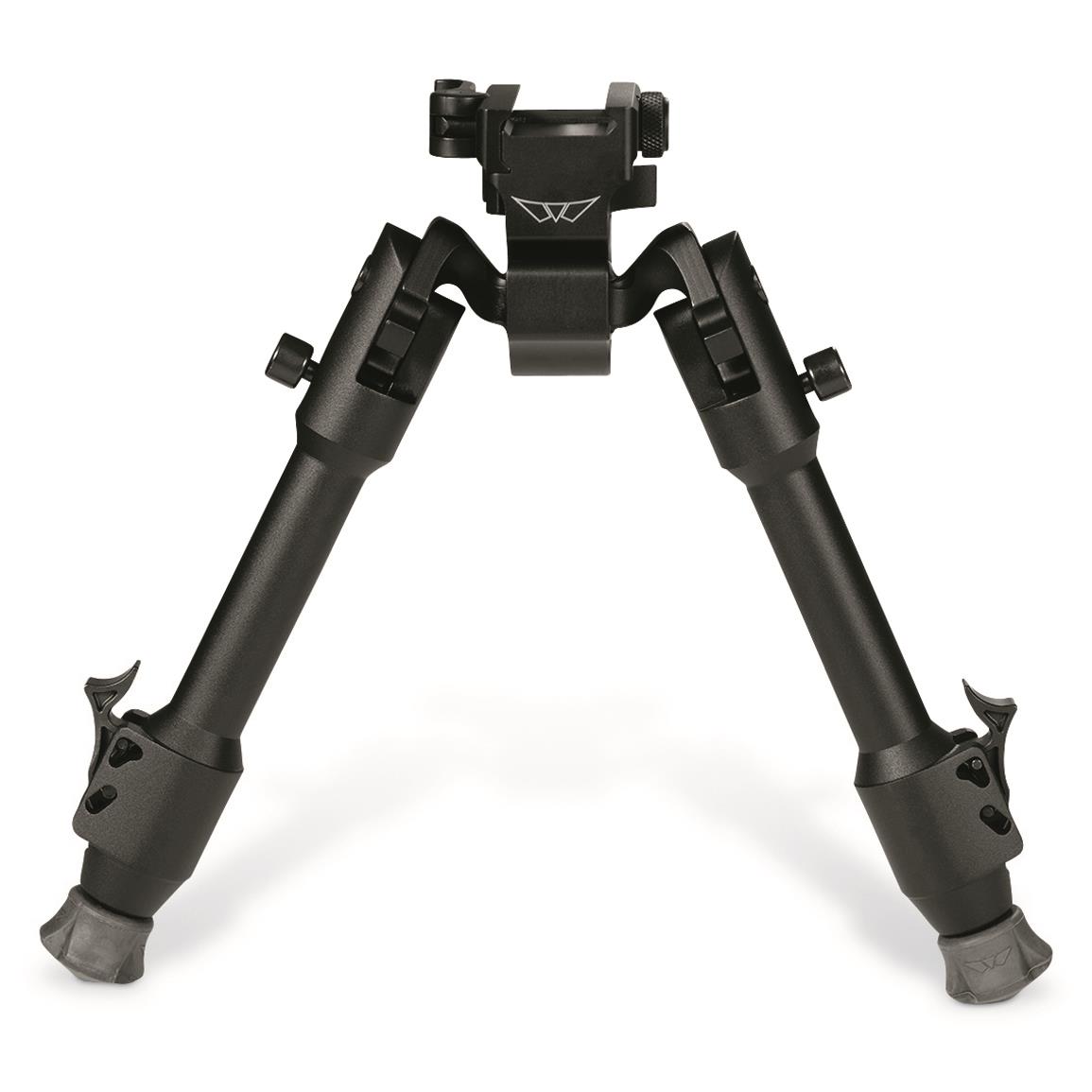
- Harris-style bipods (via stud or Picatinny rail adapter)
- AR-15 front supports (small rail blocks or cantilever adapters)
- Dedicated shooting heads (Acratech, Really Right Stuff shooting clamps)
How this works: Most shooting rests bolt to either a 3/8-16 stud or an Arca plate. If the BOG’s center column or head plate accepts a 3/8-16 threaded stud, you’re set.
If not: A simple 3/8-16 to Arca adapter or Arca-to-Picatinny rail block will get an AR front rest mounted quickly. These adapters are inexpensive and worth carrying.
Spotting Scopes and Monopod Conversions
Spotting scopes demand rock-steady pan heads or Arca-style clamps. We’ve mounted Vortex and Leupold scopes to BOG tripods using either a small photo ball head or a dedicated spotting scope adapter. Both work fine.
Monopod conversion capability: For rifle-only trips, being able to convert the center column to a monopod is incredibly useful. Look for a detachable leg or included monopod thread.
If the BOG lacks this feature: A screw-in monopod adapter is cheap and beats carrying a completely separate monopod. One less thing to pack.
The Aftermarket Ecosystem and Spare Parts Reality
Good news: Standard mounts (Arca, 3/8-16) mean aftermarket heads bolt right on without special adapters. This opens your choices to:
- Acratech ball heads
- Really Right Stuff precision clamps
- Inexpensive photo heads when you want to save weight
- Specialized hunting heads from various manufacturers
Spare parts matter: Check that spare leg pins, rubber feet, and center-column components are sold separately. We keep a spare set in the truck. When something wears out 100 miles from town, having spares means staying in the field instead of ending the trip early.
Warranty, Support, and Field Repairs
Warranty and support matter more than sticker price when something goes wrong.
What we look for: Companies that publish clear warranty terms and actually sell spare parts through normal channels. This saves hunting seasons when problems arise.
Our minimal repair kit (fits in a small bag):
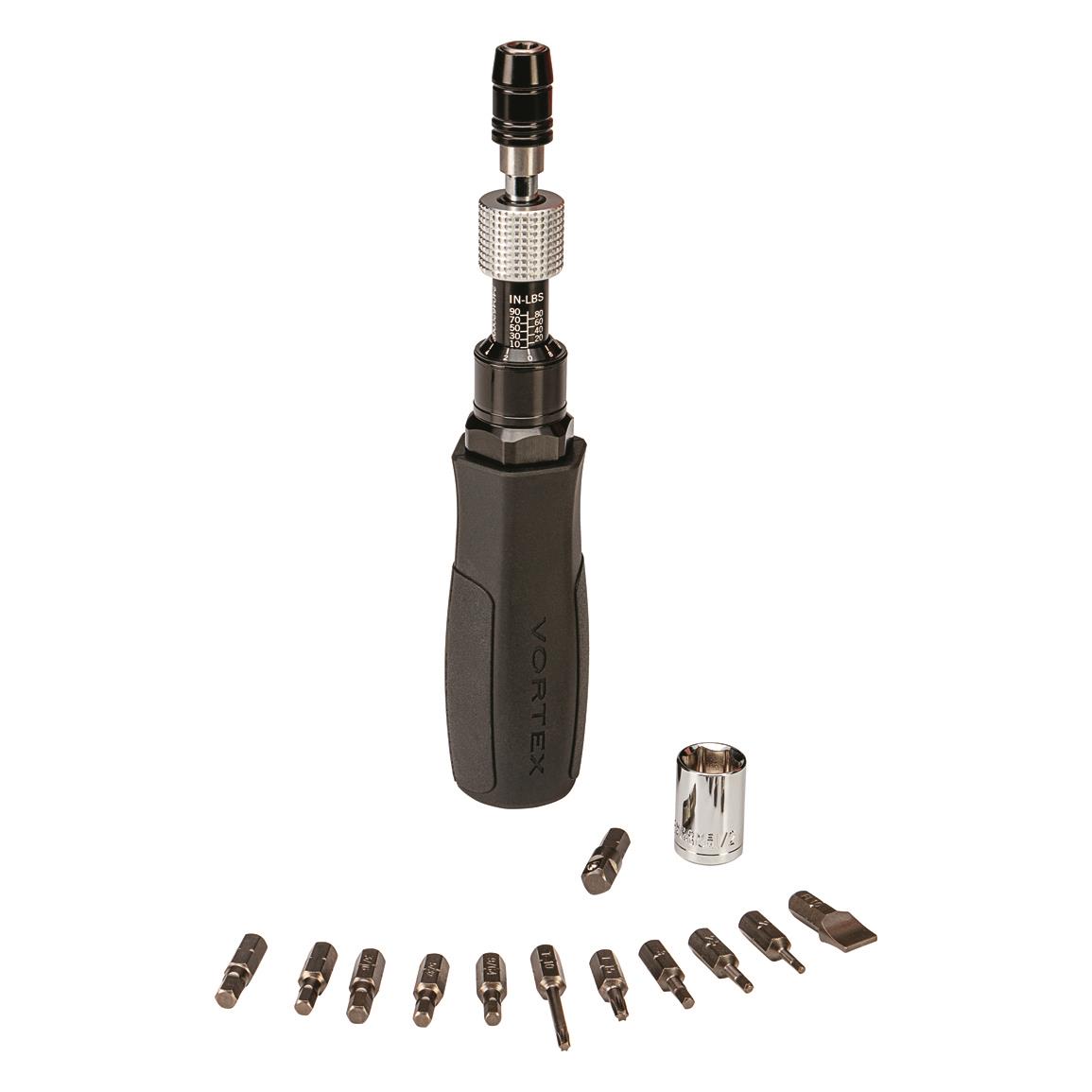
- Multi-bit driver with common sizes
- Spare hex screws and washers
- Zip ties (surprisingly useful)
- Small tube of thread locker
These simple items let you make field repairs that get you back on target faster than waiting for overnight shipping to a trailhead.
6. Price and Value: When the BOG Is Worth the Premium (and When It’s Not)
Understanding Total Cost of Ownership
Buying a tripod isn’t just about the initial sticker price. Here’s what actually costs money over time:
Initial costs:
- The tripod itself
- Heads, adapters, and mounting plates (Arca, 3/8-16, etc.)
- Any accessories needed to make it functional for your use
Ongoing costs:
- Replacement parts (feet, quick-release plates, fasteners)
- Repairs and service
- Upgrades as your needs change
The budget trap: A cheap $50-150 tripod seems attractive. But add a $75-200 quality shooting head and necessary adapters, and you’re quickly approaching mid-tier pricing.
The premium calculation: A $250-500 BOG often includes hunting-specific features out of the box that reduce your aftermarket spending. Over 3-7 seasons of regular use, the difference in replacement parts and zero downtime is where premium gear pays you back.
Who Gets the Best Return on Investment
Spot-and-stalk hunters covering serious miles: If you’re packing light every day, often at elevation, the BOG’s combination of lightweight strength and quick setup saves energy and creates opportunities. Worth the premium for this use case.
Long-range shooters (500+ yards regularly): For sustained absolute steadiness beyond 800 yards, that incremental reduction in wobble from a more robust tripod directly affects hit probability. The integrated head and tripod combo in a premium package beats stacking budget gear. Worth it here.
Guides and outfitters: Gear that survives heavy, repeated use by multiple people, gets faster repairs, and holds resale value is a business decision. Buy once, depend on it for years. Definitely worth it for commercial use.
When You Should Save Money Instead
If you hunt only a handful of times per season: Mostly from blinds or static stands where setup time doesn’t matter much. A budget tripod plus a decent shooting head (preferably Arca-compatible for future upgrades) gives most of the practical benefit for far less money.

If your budget forces a choice: Between a good head and a good tripod, prioritize the head every single time. A mediocre tripod with an excellent head outperforms an excellent tripod with a mediocre head.
If you’re still learning: What you need from a tripod. Start cheaper, understand your actual requirements through use, then upgrade when you know exactly what matters for your hunting style.
Our Practical Buying Decision Framework
Here’s exactly how we decide what to recommend:
Pack more than 5 miles per hunt or hunt steep terrain: → Prioritize lightweight premium options → Every ounce matters over distance and elevation
Regular shots beyond 1,000 yards: → Spend money on both tripod and precision head → Wobble reduction directly affects success rate
Guiding, outfitting, or commercial use: → Buy premium for lifespan and reliability → Downtime costs more than the initial investment
Casual or local hunting (under 10 hunts per year): → Buy budget tripod → Upgrade to quality head immediately → Add Arca adapter for future flexibility
Our Bottom Line: Is the BOG Worth It?
Here’s our straight recommendation after extensive field testing:
We Recommend the BOG When:
Stability, durability, and modularity matter more than saving money. If you’re hunting with heavy optics, shooting from consistently uneven terrain, or need a tripod that doubles as a mounting platform for multiple uses, the BOG delivers predictable lock-up stability and field-ready hardware that simply works.
You need reliable performance in harsh conditions. The build quality and weather resistance mean this tripod keeps functioning when cheaper options start failing.
You value field serviceability. Being able to repair and maintain your gear yourself matters in remote areas or during extended trips.
Pass on the BOG When:
You’re strictly weight-focused for alpine hunting. Carbon fiber photo tripods will save you meaningful weight if you’re counting every ounce.
You’re on a genuinely tight budget. A budget tripod with a quality head will serve you better than a premium tripod with a cheap head or no budget left for essential accessories.
You only need a lightweight rest for occasional use. Casual predator or varmint hunting a few times per year doesn’t demand premium gear. Save your money for optics or ammunition.
What to Do at Purchase
- Prioritize the right model: Get the one with the head style and features you’ll actually use, not the cheapest available.
- Inspect leg locks carefully: Function test everything before leaving the store or accepting delivery.
- Factor in accessories: Budget for the adapters, spare parts, and mounting plates you’ll need.
- Match to your mission: Buy with confidence if our practical criteria align with how you actually hunt. If not, save money for a different solution that fits better.
The BOG isn’t perfect for everyone, but it’s excellent for hunters who need dependable, field-serviceable gear that handles abuse and delivers when it counts.
Remember: Always follow safe hunting practices and local regulations. This guide is for informational purposes to help you make informed gear decisions.





Comments are closed.