
22 ARC Varmint Hunting Setup


The 22 ARC has quickly become a favorite among varmint hunters who want serious range and explosive terminal performance without the recoil and barrel wear of larger cartridges. This cartridge bridges the gap between the 223 Rem and the 6mm options, delivering impressive ballistics in a compact, efficient package. Whether you’re calling coyotes, popping prairie dogs, or thinning groundhog populations, the 22 ARC offers the accuracy and energy to make long-range shots with confidence.
Building an effective 22 ARC varmint setup requires more than just buying a rifle and loading magazines. The right combination of barrel specs, ammunition selection, and field gear can make the difference between a frustrating day and a successful hunt. This guide walks you through the essential components of a complete 22 ARC varmint rig, from barrel specifications to the rangefinders and shooting bags that help you make ethical, accurate shots in the field.

Ideal Barrel Length and Twist Rate for 22 ARC
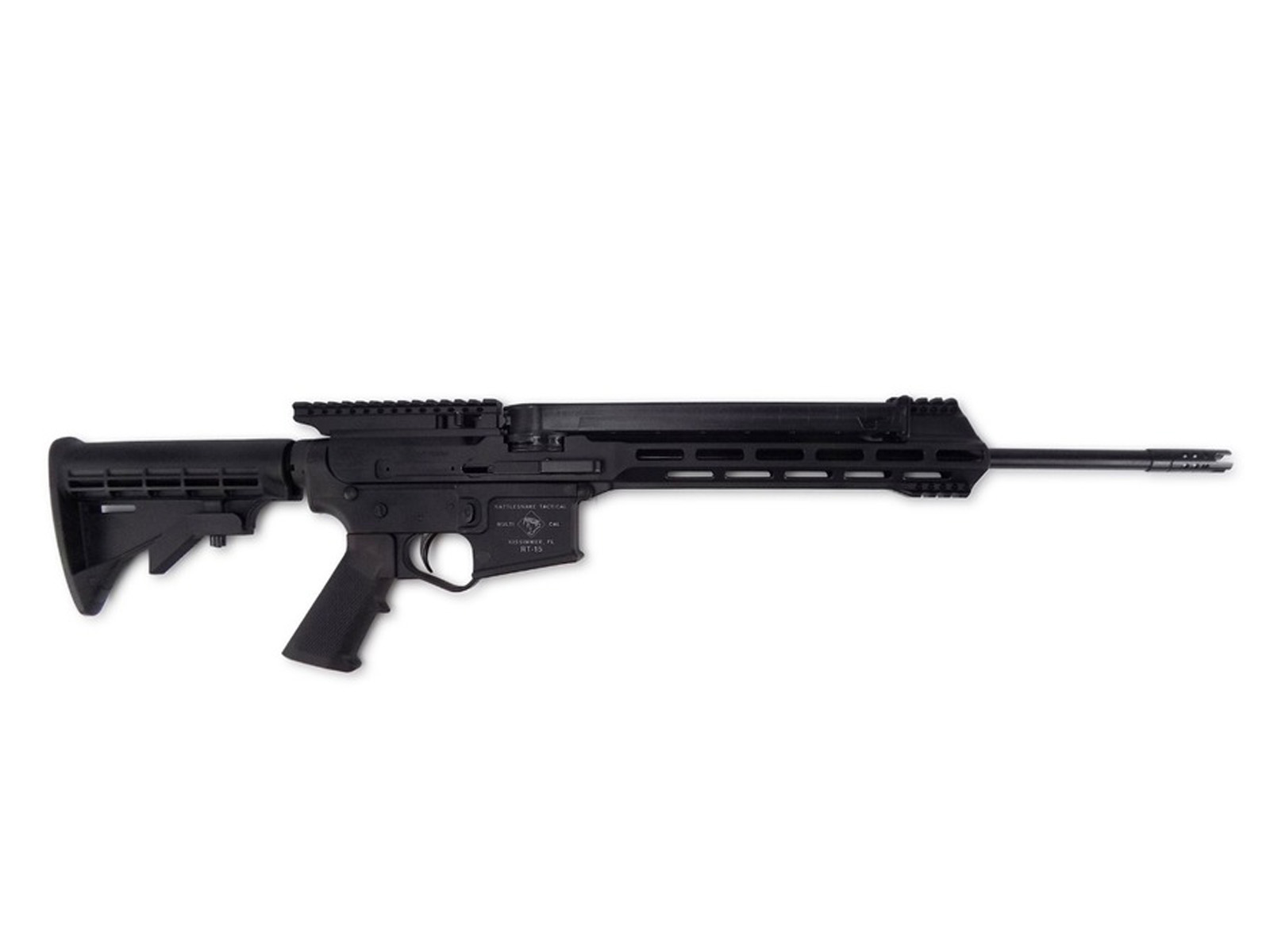
Barrel length directly impacts your velocity, handling, and practical field performance with the 22 ARC. For dedicated varmint work, an 18 to 20-inch barrel hits the sweet spot between velocity retention and maneuverability. You’ll get nearly full powder burn and excellent ballistics without the added weight and awkwardness of a 24-inch tube. If you’re shooting from a vehicle or blind where compactness matters, an 18-inch barrel loses only about 50-75 fps compared to longer options while being noticeably easier to position.
The twist rate is equally critical for stabilizing the heavy-for-caliber bullets that make the 22 ARC shine. A 1:7 or 1:7.5 twist is ideal for varmint hunting, as it stabilizes bullets from 62 grains up to the 88-grain ELD Match projectiles. Some shooters opt for 1:8 twist barrels, which work fine for lighter varmint bullets in the 55-70 grain range, but you’ll lose flexibility if you want to experiment with heavier match bullets for windy conditions. The faster twist rates also improve terminal performance by ensuring bullets arrive with optimal stability for consistent expansion.


Best Factory Ammo for Explosive Varmint Results
Factory ammunition for the 22 ARC has expanded significantly since the cartridge’s introduction, giving varmint hunters several excellent options. Hornady’s 62-grain V-MAX load is purpose-built for explosive expansion on varmints, offering a flat trajectory and devastating terminal effects on prairie dogs, ground squirrels, and similar-sized pests. The thin jacket and polymer tip ensure rapid fragmentation even at extended ranges. For coyotes and larger varmints, the 75-grain ELD Match provides deeper penetration while still delivering quick, humane kills with proper shot placement.
Federal and other manufacturers have also entered the market with varmint-specific loads worth considering. Look for bullets designed with thin jackets and exposed lead tips or polymer points that initiate expansion quickly. Velocities in the 2,750-2,850 fps range from an 18-inch barrel give you a usable point-blank range of 250-300 yards on coyote-sized targets. If you’re shooting smaller critters like prairie dogs where wind drift matters more, consider trying the heavier 80-88 grain match loads, which buck wind better and still provide the accuracy needed for small targets at distance.

Quick checklist: Choosing varmint ammo
- Prioritize thin-jacketed bullets with polymer tips for explosive expansion
- 62-75 grain weights work best for general varmint hunting
- Heavier 80+ grain bullets excel in windy prairie conditions
- Verify your twist rate stabilizes your chosen bullet weight
- Buy several brands to test accuracy in your specific rifle
- Stock up on what shoots best – consistency matters more than brand loyalty
Top Bipods and Front Rests for Steady Shots
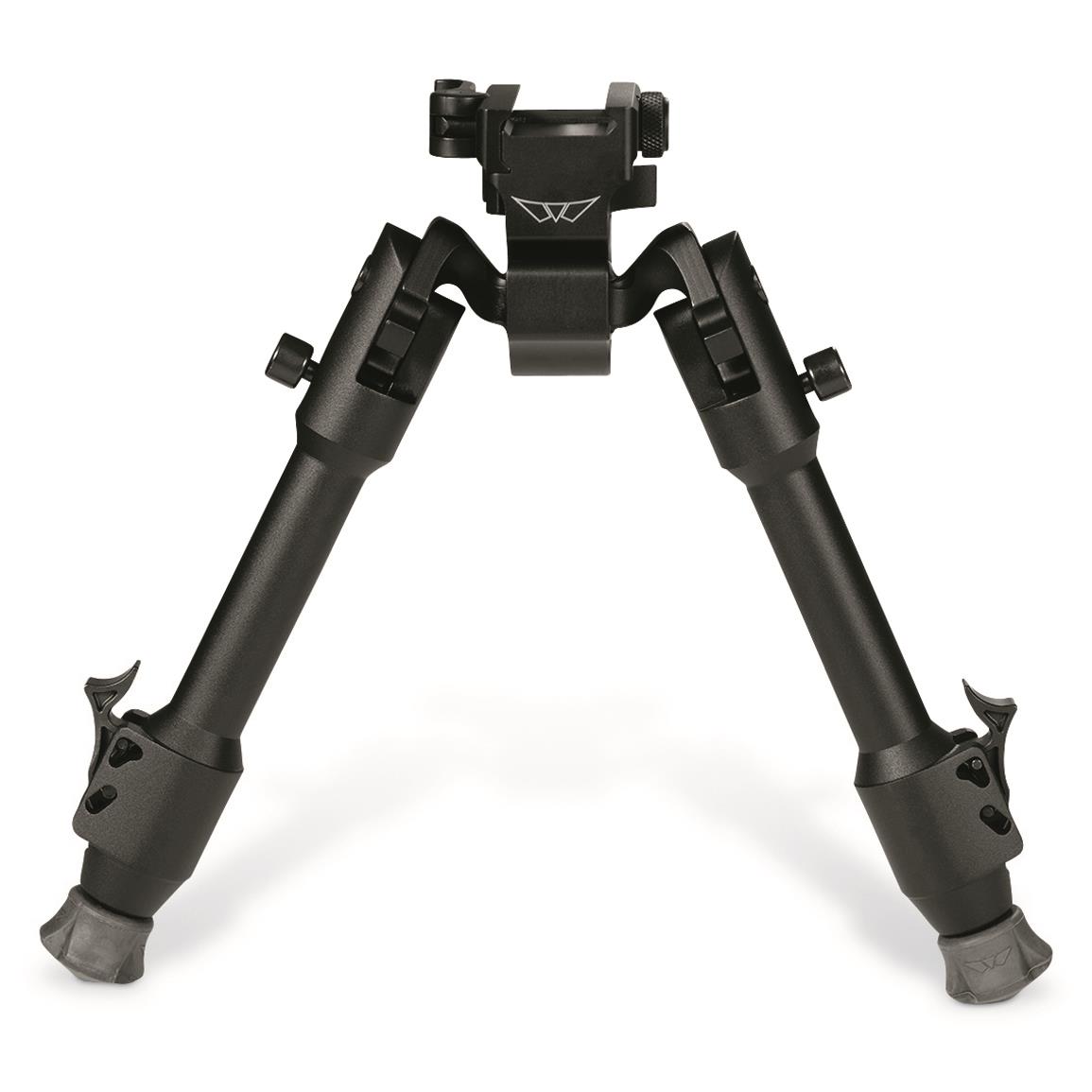
A quality bipod transforms your 22 ARC from a good varmint rifle into a precision tool capable of making ethical shots at extended ranges. For varmint hunting where you’ll often shoot from prone or seated positions, look for a bipod with 6-9 inches of height adjustment and legs that deploy quickly. Harris-style bipods remain popular because they’re proven, reliable, and allow enough cant adjustment to level your rifle on uneven terrain. Models with notched leg positions lock securely and won’t collapse when you load them with forward pressure during recoil.

If you’re willing to invest more, modern Arca-compatible bipods offer superior adjustability and smoother panning for tracking moving coyotes. The key features to prioritize include panning capability, cant adjustment, and stable leg lockup under load. Avoid ultra-lightweight bipods designed for mountain hunting – they tend to bounce during recoil and don’t provide the stable platform varmint shooting demands. A bipod weighing 12-16 ounces provides the right balance of portability and stability for day-long prairie dog sessions or spot-and-stalk coyote hunts.
Front bags or small shooting rests complement bipods perfectly when shooting from a vehicle hood, fence post, or portable bench. A squeeze bag filled with sand or heavy media conforms to irregular surfaces and provides fine elevation adjustments through gentle pressure. These bags weigh only a few ounces and pack flat in your gear bag. For truck-based hunting, a simple sandbag rest or foam-filled wedge gives you a rock-solid platform for those longer shots where every bit of stability counts.
Essential Gear: Rangefinders, Bags, and Packs
Accurate range estimation separates successful varmint hunters from those who wound animals or miss entirely at distance. A quality laser rangefinder reading out to 600-800 yards covers the practical hunting range of the 22 ARC and helps you make ethical decisions about shot difficulty. Modern budget rangefinders perform well in good conditions, but if you hunt in early morning or late evening when light is low, spending more for better optics and faster processors pays dividends. Look for units that display angle compensation, as shooting uphill or downhill significantly affects bullet drop beyond 300 yards.
Your field bag should balance carrying capacity with comfort during long walks between shooting positions. A small daypack with 15-20 liters of capacity holds everything you need without weighing you down. Key items include extra magazines, a rear shooting bag, water, basic tools, and a small first-aid kit. If you’re calling coyotes, add your electronic caller and extra batteries. For prairie dog towns where you’ll set up for extended sessions, consider a shooting mat to protect your elbows and a small cooler for drinks – comfort matters when you’re glassing and shooting for hours.

| Gear Category | Essential Item | Why It Matters |
|---|---|---|
| Optics | Laser rangefinder | Accurate range = ethical shots |
| Stability | Bipod + rear bag | Maximizes accuracy at distance |
| Carry | 15-20L daypack | Holds gear without fatigue |
| Comfort | Shooting mat | Protects elbows during long sessions |
Common Mistakes with 22 ARC Varmint Setups
Many shooters build their 22 ARC varmint rigs around components designed for tactical or competition use rather than field hunting. Using heavy match barrels is a common error – while they shoot incredibly well from a bench, carrying a 12-pound rifle across prairie dog towns or through coyote country gets old fast. A quality lightweight or medium contour barrel delivers 95% of the accuracy for half the weight. Save the bull barrels for dedicated bench guns.
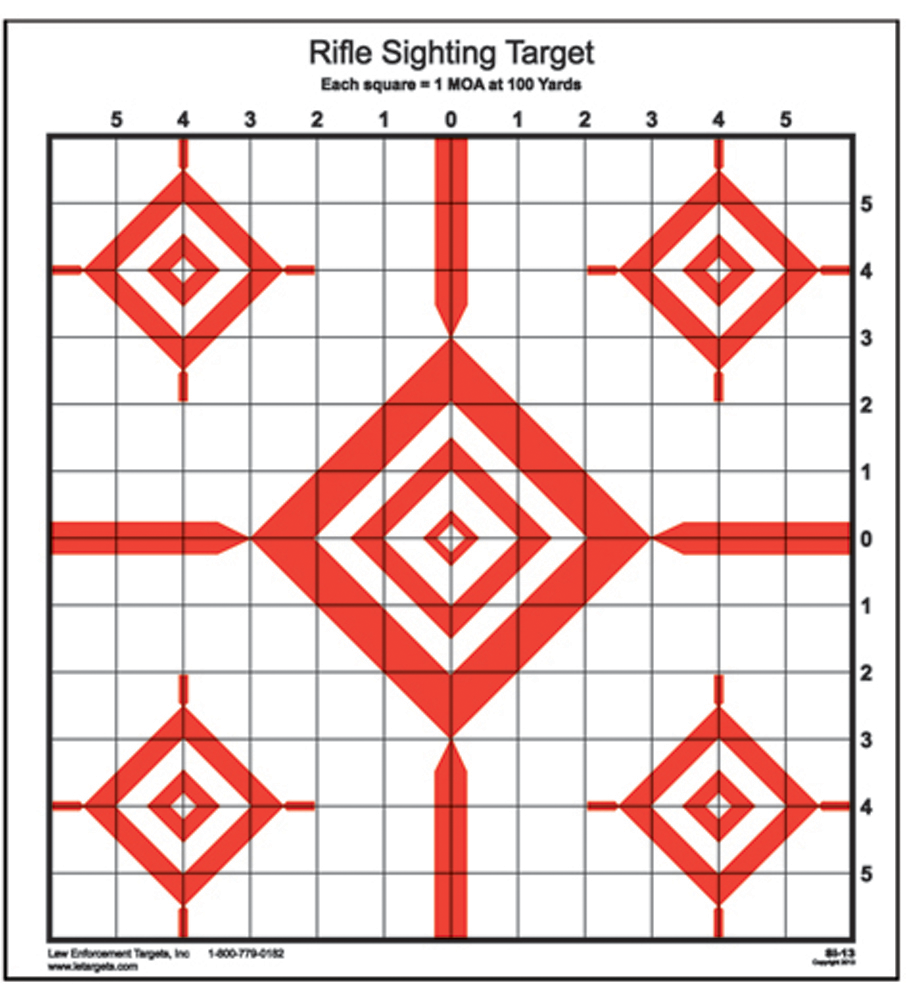
Another frequent mistake is neglecting to verify zero and trajectory at multiple distances before heading afield. The 22 ARC’s flatter trajectory compared to 223 Rem means your holdovers differ from what you might be used to. Spend time at the range confirming drops at 100-yard intervals out to your maximum ethical shooting distance. Write these numbers down and keep them with your rifle or in a ballistic app on your phone.
Common setup mistakes to avoid:
- Installing heavy match barrels that kill field portability
- Skipping multi-distance zero verification before hunting
- Using bipods without cant or panning adjustment
- Choosing ultra-lightweight components that sacrifice stability
- Overlooking wind drift data in favor of drop charts alone
- Mounting scopes with insufficient elevation adjustment for long range
- Forgetting spare batteries for electronic optics and rangefinders

FAQ: 22 ARC Varmint Hunting Questions
What’s the maximum ethical range for the 22 ARC on coyotes?
Most experienced shooters limit coyote shots to 400-450 yards with the 22 ARC, assuming good conditions and a solid shooting position. Beyond this distance, wind drift and energy loss increase the risk of wounding rather than clean kills. For smaller varmints like prairie dogs, accurate shooters regularly connect at 500+ yards.
Do I need a suppressor for varmint hunting with 22 ARC?
A suppressor isn’t required but offers significant advantages for varmint work. It reduces noise signature, which matters when calling coyotes or shooting multiple prairie dogs from one location. Suppressors also cut recoil slightly and eliminate muzzle blast that can disturb your view through the scope. If you hunt where legal and can navigate the paperwork, a suppressor enhances the overall experience.
How does barrel heating affect accuracy during prairie dog hunts?
The 22 ARC generates less heat than larger cartridges, but barrel temperature still impacts accuracy during high-volume shooting. After 15-20 rounds in quick succession, most barrels will show some point-of-impact shift. Let your barrel cool between strings, or bring two uppers if you’re serious about all-day prairie dog sessions. A medium or heavy contour barrel manages heat better than pencil-thin profiles.
What scope magnification range works best for 22 ARC varminting?
A variable scope in the 4-16x or 5-25x range covers most varmint hunting scenarios. Lower magnification helps when calling coyotes that might appear close, while higher power aids precise shot placement on distant prairie dogs. Avoid going beyond 25x unless you exclusively shoot from solid benches – mirage and field conditions make ultra-high magnification impractical for most hunting situations.
Can I use 223 Rem magazines with 22 ARC?
Yes, the 22 ARC uses standard AR-15 magazines designed for 223 Rem and 5.56 NATO. This parts commonality is one of the cartridge’s major advantages. However, some shooters report improved reliability with magazines specifically designed for the 22 ARC’s slightly different case dimensions. Test your magazines thoroughly before hunting season.
Is handloading necessary for varmint hunting with 22 ARC?
Handloading isn’t necessary but gives you more options for bullet selection and the ability to tune loads for your specific barrel. Factory ammunition performs excellently for most hunters. If you already reload and want to experiment with different varmint bullets or maximize accuracy, the 22 ARC is straightforward to load. Otherwise, stick with factory ammo and spend your time practicing field positions and wind reading.


Quick takeaways
- An 18-20 inch barrel with 1:7 or 1:7.5 twist optimizes the 22 ARC for varmint work
- Factory 62-75 grain varmint loads deliver explosive terminal performance
- Quality bipods with cant adjustment and panning capability improve field accuracy significantly
- A laser rangefinder reading to 600+ yards is essential for ethical long-range shooting
- Verify your zero and trajectory data at multiple distances before hunting
- Keep coyote shots under 450 yards and prairie dog shots under 500 yards for ethical kills
- Standard 223 Rem magazines work fine, making the platform affordable and accessible
Building an effective 22 ARC varmint setup doesn’t require exotic components or a massive budget. Focus on the fundamentals – a properly configured barrel, ammunition that performs in your rifle, and field gear that enhances stability and accuracy. The 22 ARC’s efficiency and flat trajectory make it an outstanding choice for varmint hunters who want precision without the downsides of larger cartridges.
Take time to test your complete system before heading afield, and always prioritize ethical shot selection over pushing maximum range. With the right setup and realistic expectations about your capabilities and conditions, the 22 ARC will handle any varmint hunting situation you’re likely to encounter. Get your gear dialed in, practice your field positions, and enjoy what this excellent cartridge brings to varmint hunting.







Comments are closed.