
How to Start Reloading: Step-by-Step Guide for 2026


Start reloading confidently in 2026 to save money, improve accuracy, and tailor ammo for U.S. hunting and range needs. This practical, safety-first guide helps beginners choose gear, understand rules and range policies, set up a bench, and build reliable loads without guessing.


Requirements – What You Need to Begin
- Press (single-stage for precision, progressive for volume)
- Die set for your caliber (carbide is common for many pistol calibers)
- Scale (verify accuracy) and a reliable powder measure or dispenser
- Calipers and at least one case gauge (or chamber-check method)
- Case prep basics: lube (rifle), trimmer (mostly rifle), chamfer/deburr, cleaning method
- Primers, powder, bullets, and brass from reputable sources
- Eye protection, common sense, and a current reloading manual
- Patience, basic mechanical skills, and ideally a mentor you trust
Step 1 – Clarify Goals, Rules, and Space
Decide why you want to reload before buying anything. Name the goal – save money, improve accuracy, keep a hunting caliber running during shortages, or simply enjoy the mechanical craft. Your goal decides your gear.
Pick the calibers and firearm types you will focus on first. A bolt-action rifle setup usually needs more case prep and stricter consistency. High-volume pistol reloading rewards efficiency and a process you can repeat without distraction.

Check range policies and local rules before you buy components. Some ranges restrict ammo types, bullet materials, or allow reloads only under specific conditions. Also factor reality – component availability and hazmat shipping can still be uneven.
Plan your workspace. You need a stable bench, good lighting, clean organization, and a routine that prevents mistakes. If you only have a small area, start with a compact single-stage setup and grow later.
Budget for education. Buy a current reloading manual and actually follow it. Online tips are useful, but published data and safe procedures are what keep fingers and rifles intact.

Step 2 – Choose the Right Starter Gear
Buy gear that prioritizes safety, durability, and repeatability. Single-stage presses are slower but forgiving and ideal for learning. Progressive presses are efficient but demand strict attention and a consistent process.

Start with essentials that reduce errors:
- Scale you trust and verify regularly
- Powder measure or dispenser that throws consistent charges
- Calipers for OAL, case length, and basic checks
- Die set matched to your caliber and your press
- Priming method that gives consistent seating depth
- Loading blocks and a simple inspection routine
Starter kits can save money and reduce decision fatigue, but avoid the trap of cheap tools that fight you. Also, used gear can be a good deal if it is not worn out or abused – inspect carefully and avoid mystery equipment when you are new.
Plan to expand later. It is normal to start basic and add better case prep tools, gauges, and process upgrades as your skills grow.
Step 3 – Pick Components: Bullets, Powder, Primers, Brass
Select components with your purpose in mind – accuracy, terminal performance, availability, and long-term cost.
Brass is the foundation. Buy new or known once-fired brass, sort it, and inspect every case. Reject anything with cracks, deep dents, loose primer pockets, or obvious damage.
Choose bullets based on the job. For hunting, controlled-expansion or monolithic options make sense, especially where lead-free rules apply. For precision, match bullets are consistent but cost more.
Powder selection should come from published data. Do not improvise or chase internet velocity. Buy the exact powder listed in your manual for your chosen recipe, and store it in its original container in a cool, dry place.
Primers should also be stored cool and dry, in original packaging, and separated from powder. Avoid tightly sealed metal containers that can build pressure in a fire.
Use a simple pre-loading checklist:
- Brass – correct headstamp, no cracks, correct length, primer pockets feel consistent
- Bullets – correct type and weight, same lot if possible
- Powder – correct product, correct lot recorded, no contamination
- Primers – correct type, seated consistently, no crushed primers
Work in small batches when learning. Consistency comes from repeatable steps, not from rushing.

Step 4 – Set Up a Safe, Efficient Reloading Bench
Create a dedicated workspace away from distractions. Mount your press to a sturdy bench so it does not flex or wobble. Good lighting is not optional – it prevents mistakes.
Organize your workflow in one direction: dirty brass – case prep – priming – charging – seating – final inspection – storage. The fewer back-and-forth moves, the fewer errors.

Keep storage simple and labeled:
- Powder – original containers, cool and dry cabinet, one powder on the bench at a time
- Primers – original packaging, cool and dry, separate from powder
- Bullets and brass – sealed bins by caliber and bullet weight
- Finished rounds – labeled boxes stored away from components
Keep an ABC-rated fire extinguisher accessible and maintained. Establish simple rules: no smoking, no open flames, no alcohol, and no multitasking. Turn off notifications and do one operation at a time.
Do not vacuum loose powder or primer debris. Use a brush and dustpan, or follow manufacturer guidance for safe cleanup. Never mix powders, never use unknown powder, and never load from memory when a manual is within arm’s reach.
Set up a quick QC station – calipers, a case gauge or chamber-check method, and a notebook or app for recording batches. A checklist beats “I think I remember.”

Step 5 – Develop, Test, and Document Your First Loads
Start with published data from a current manual. Begin at the listed starting charge and work up only as the manual allows, in small increments, while keeping everything else consistent.
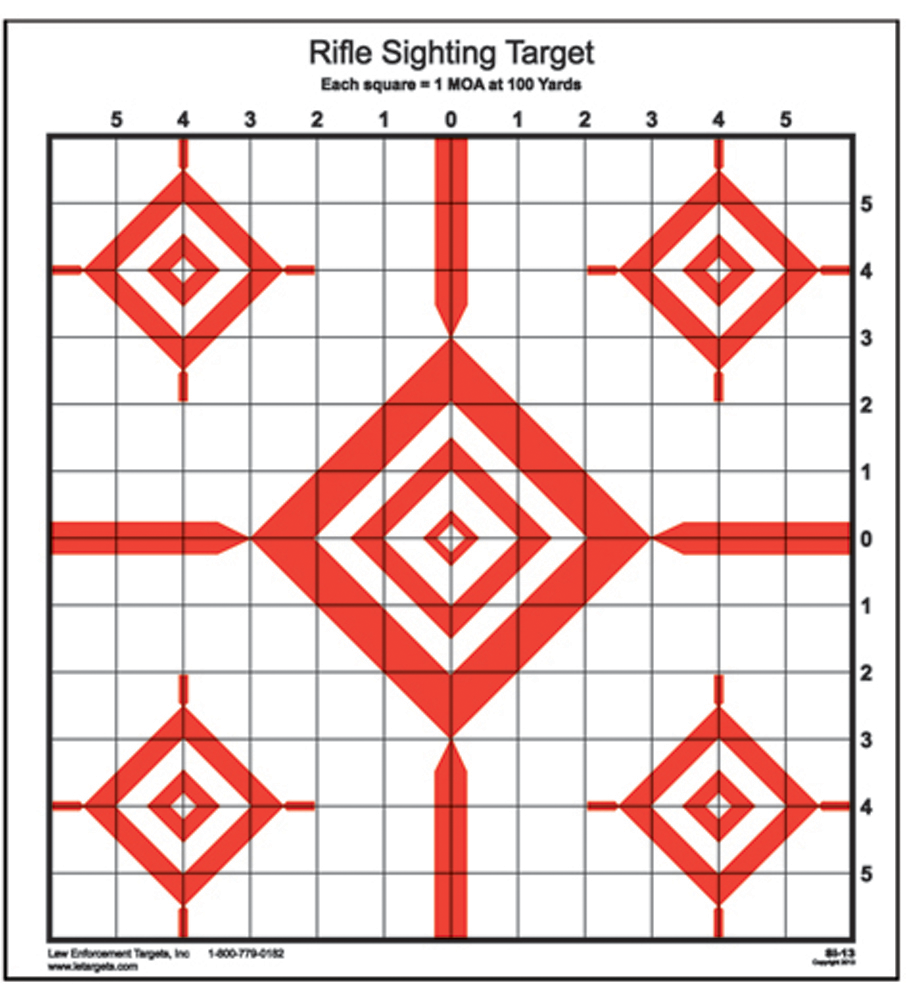
Test with a clear method. Shoot groups at realistic distances for your use, and record velocity with a chronograph if you have one. Change one variable at a time – powder charge, seating depth, or primer type – not all at once.

Watch for warning signs and stop if something looks wrong:
- Hard bolt lift or sticky extraction
- Unusual recoil, sound, or velocity spikes
- Primer issues (piercing, severe cratering, blown primers)
- Ejector marks or obvious case damage
Record every load in a log: component lot numbers, primer type, powder and charge, case brand and number of firings, OAL, crimp (if any), ambient conditions, and results. This is how you build safe confidence and repeatable performance.
When you find a load that is safe and accurate, confirm it with a larger batch before you depend on it for hunting. If results shift between lots, suspect brass variation, seating inconsistency, or a component change and troubleshoot one step at a time.
Conclusion – Your Reloading Journey Begins
Start small, stay disciplined, and prioritize safety over speed. With a solid basic setup, reputable components, a clean bench routine, and careful testing, you can produce safe, accurate ammo and enjoy the craft for years.







Comments are closed.