Thermal Monocular vs Digital Night Vision: Technology and State Law Restrictions
Choosing between thermal and digital night vision? Know your state’s hunting laws before you buy.
April 15, 2026

Choosing between thermal and digital night vision? Know your state’s hunting laws before you buy.
When the lights go out and your heart rate spikes, only one thing matters: can you actually hit your target?
We tested 5 rimfire scopes from $170–$400. Most centerfire scopes have parallax fixed at 100 yards – that’s a 2″ point-of-impact shift at 25 yards on your .22.
We tested 5 red dots from $120–$500. That “50,000-hour battery life”? It’s at medium brightness – at max, you get 600. The Aimpoint Duty RDS wins, but the Holosun AEMS is smarter money.
We tested 5 hunting binoculars from $150–$500. Spoiler: “HD” is a marketing term anyone can use. ED glass is the real spec worth chasing.
We compared 5 pistol lights from $140–$400. Most guides obsess over lumens – candela is what actually matters for target ID at distance.
We compared 5 hunting rangefinders from $150–$600. That “1,000-yard” rangefinder? It maxes out around 500 yards on a deer – and without angle compensation, your mountain shot is already off.
MOA or MRAD? Picking the right system to hunt.
Choosing the right reticle plane for your hunt
We compared 5 LPVOs from $300–$1,300 – and most budget picks aren’t true 1x, which kills CQB speed. The Strike Eagle wins overall.

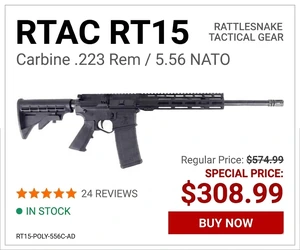
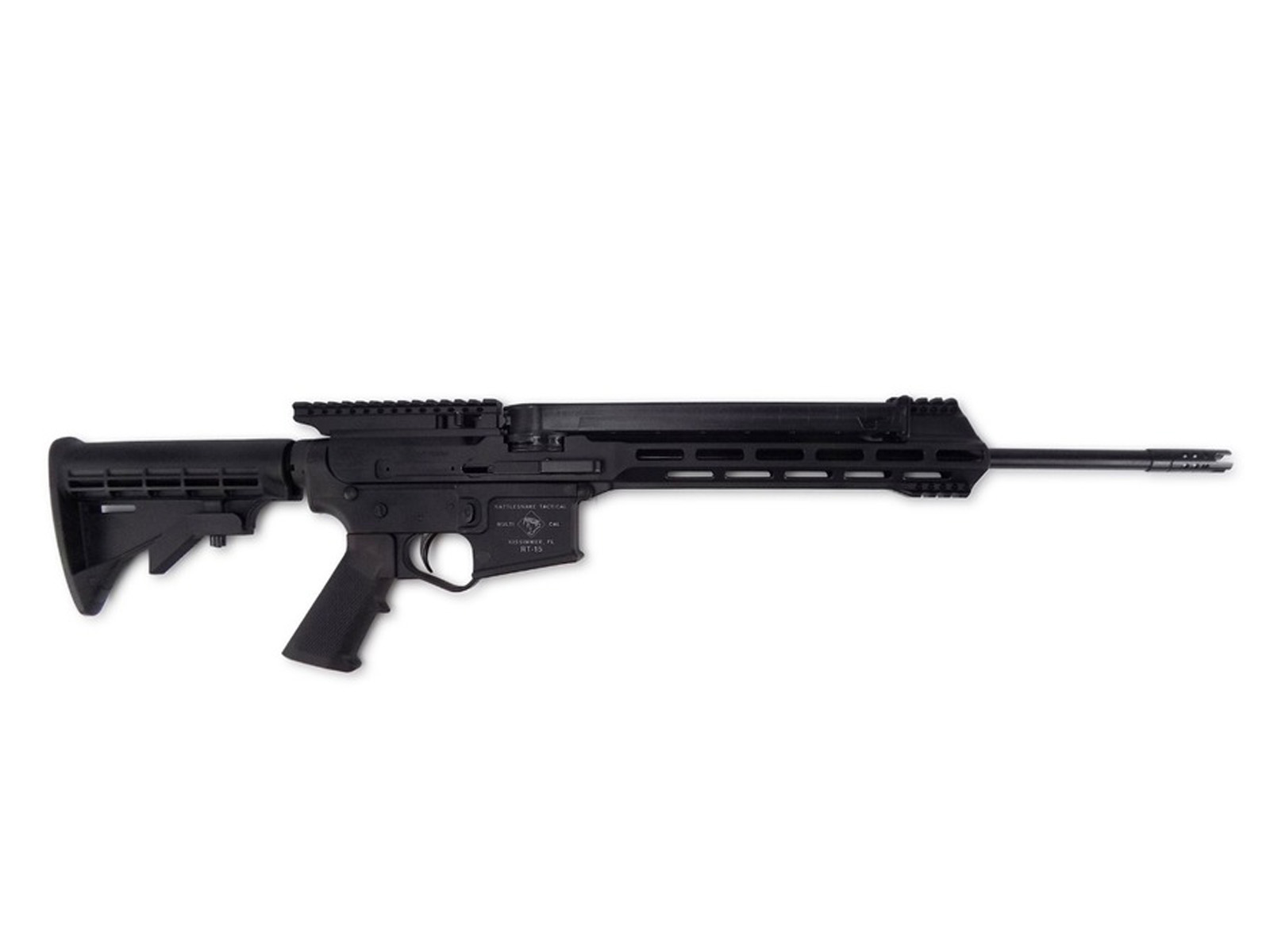 RTAC RT15 5.7x28mm Pistol – 16" Barrel, 51 Rounds
Original price was: $1,034.99.$799.99Current price is: $799.99.
RTAC RT15 5.7x28mm Pistol – 16" Barrel, 51 Rounds
Original price was: $1,034.99.$799.99Current price is: $799.99.
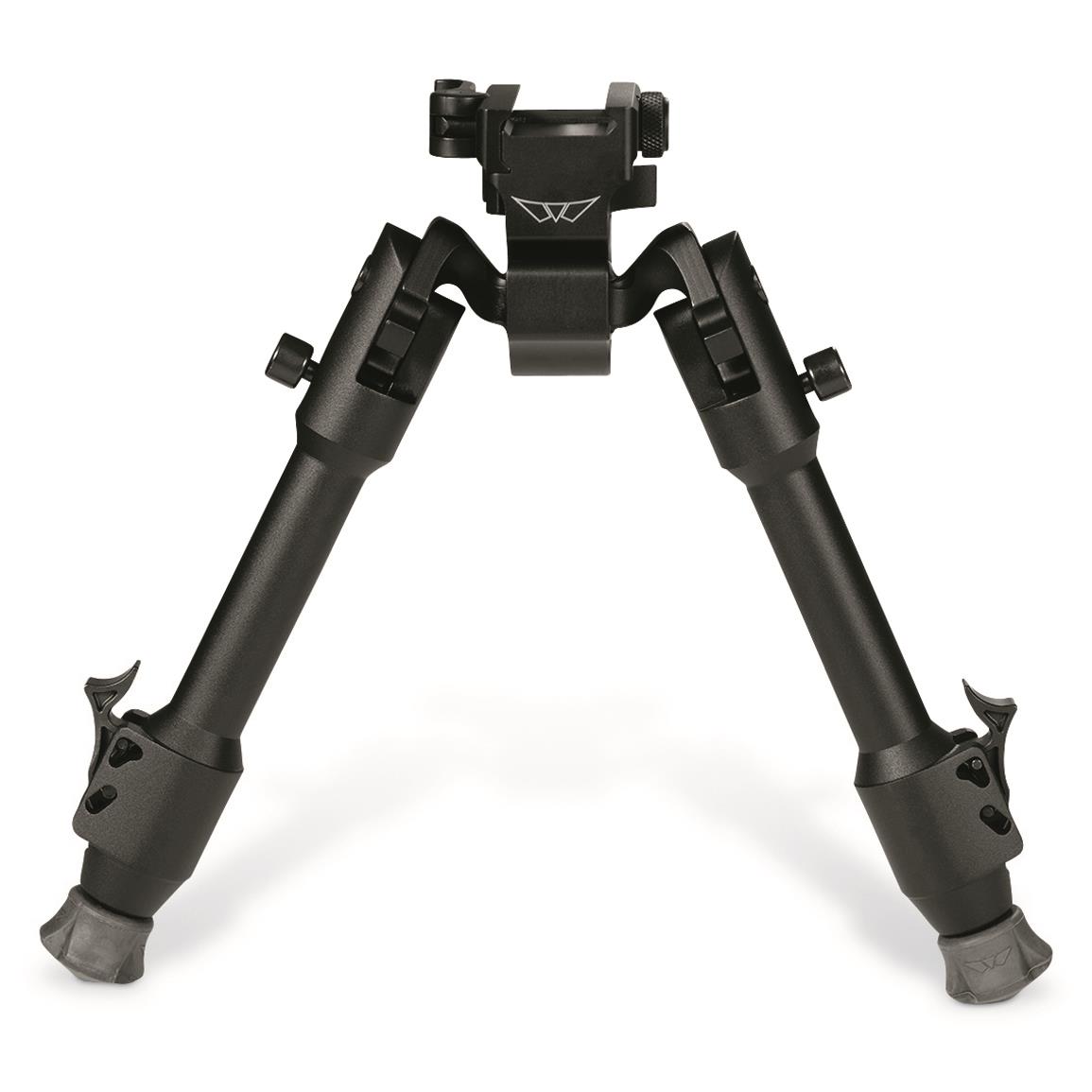 Warne Skyline Precision Bipod for Accurate Shooting
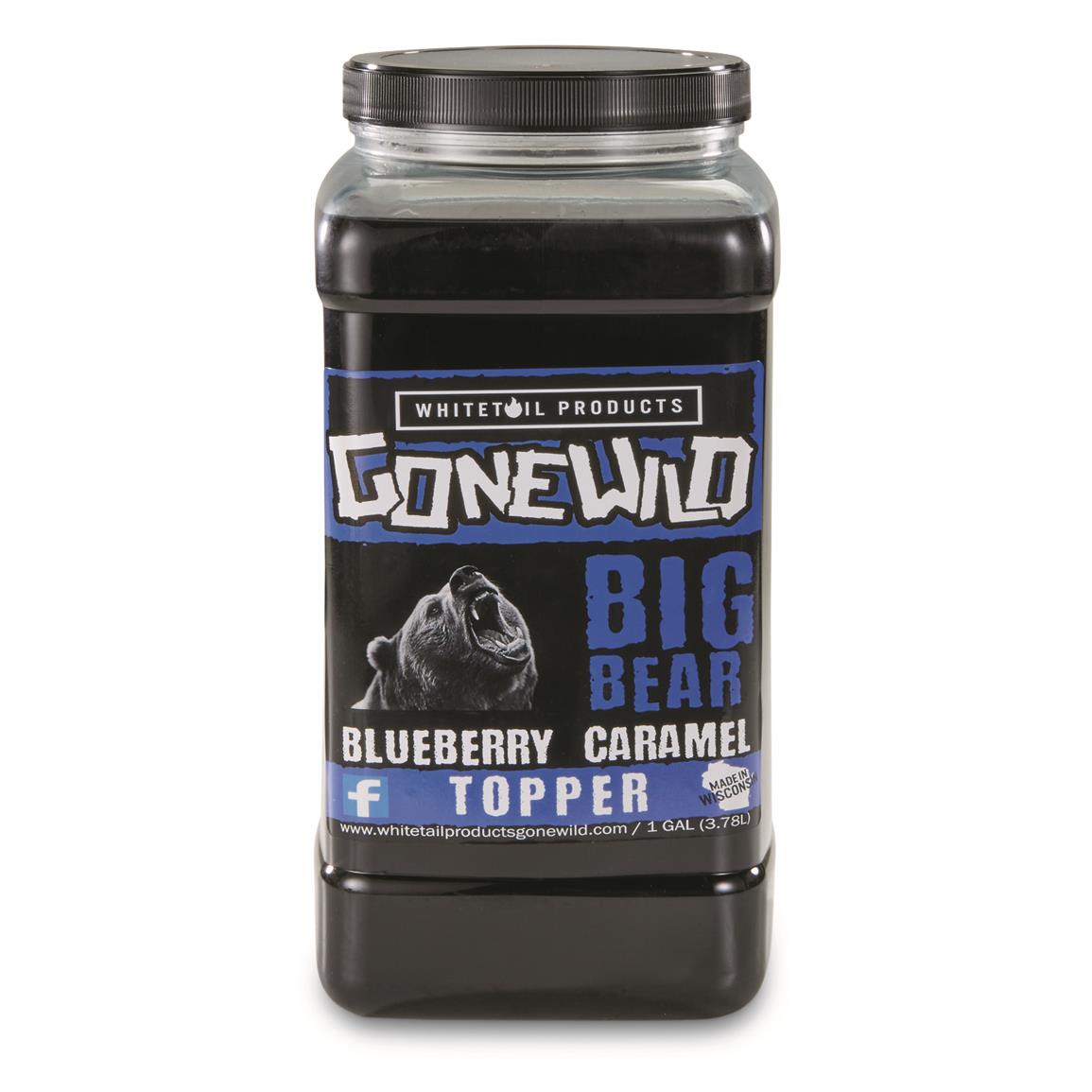 Gone Wild Big Bear Plant Topper - 1 Gallon
Original price was: $14.99.$13.49Current price is: $13.49.
Gone Wild Big Bear Plant Topper - 1 Gallon
Original price was: $14.99.$13.49Current price is: $13.49.
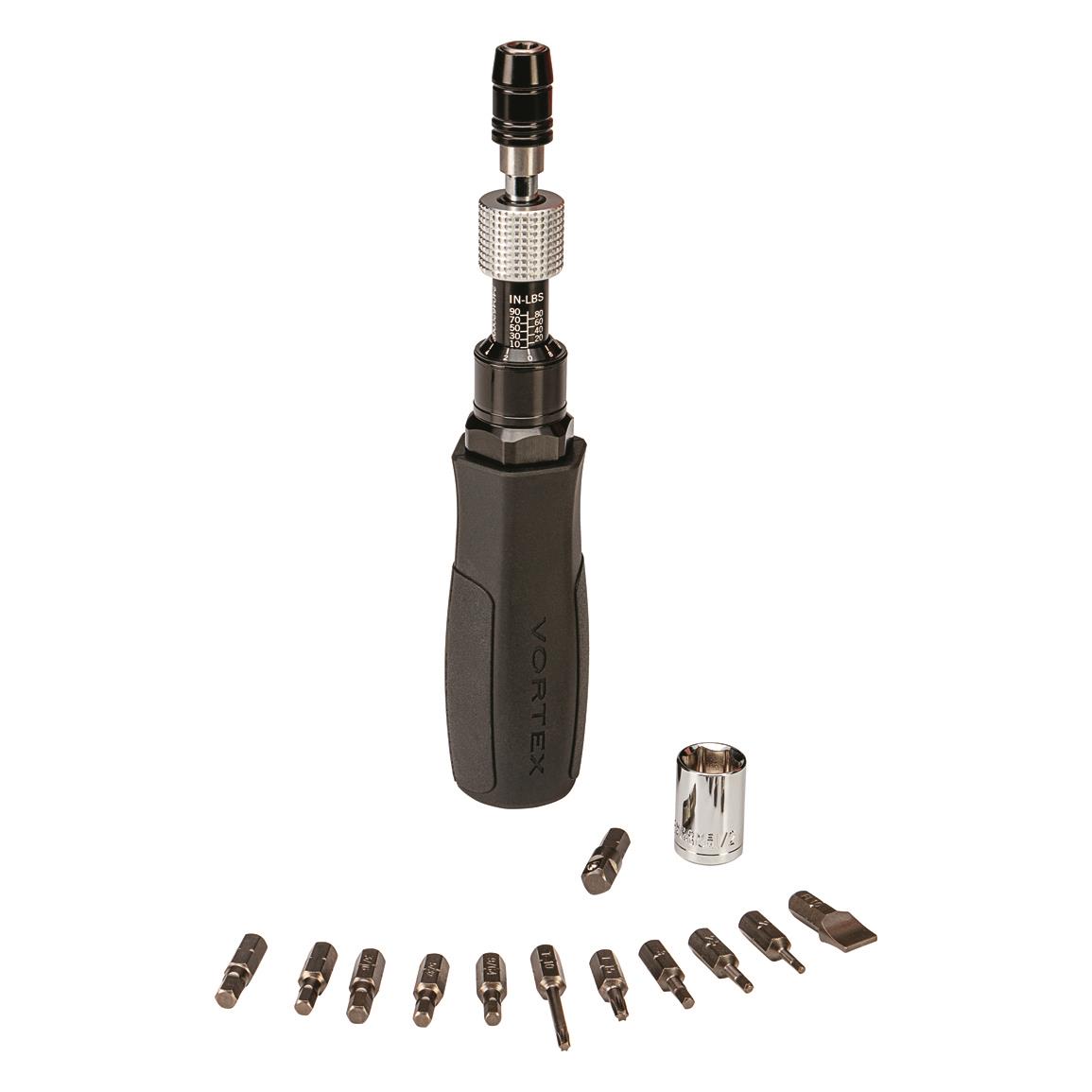 Vortex Pro Precision Torque Wrench for Accurate Fastening
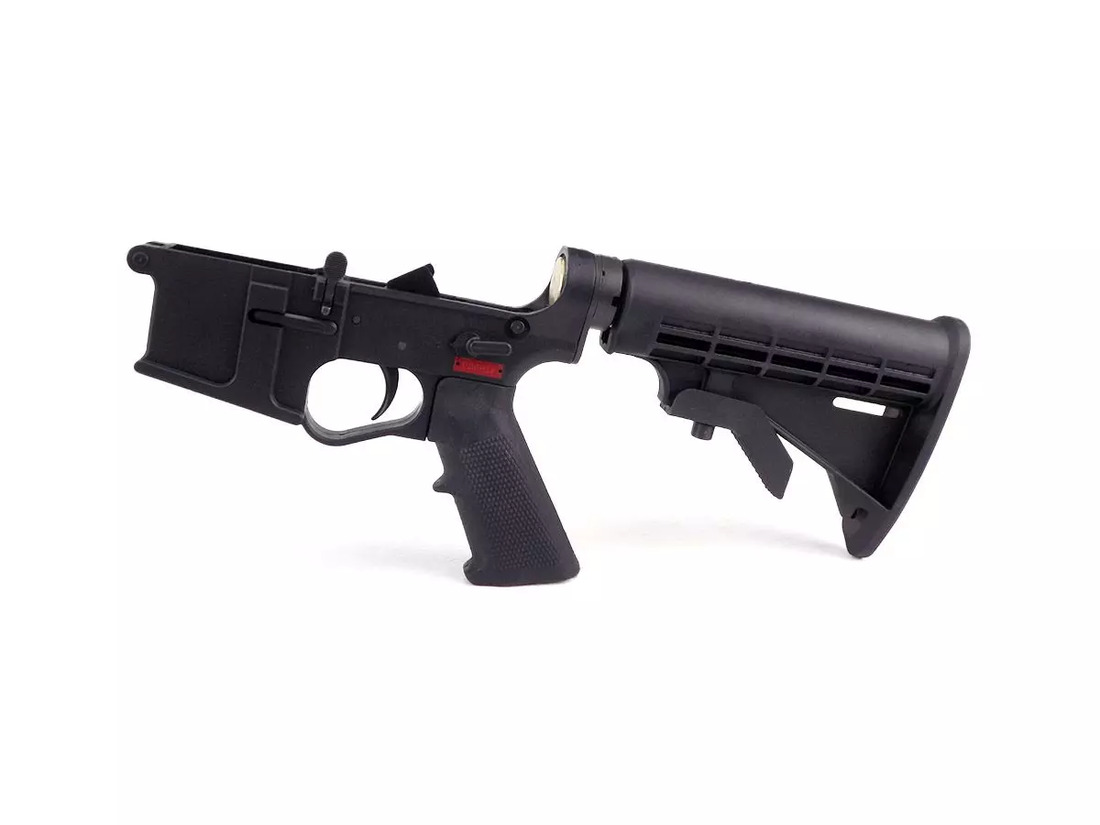 RT15 Poly Complete Lower Receiver - Lightweight & Durable
Original price was: $119.99.$89.99Current price is: $89.99.
RT15 Poly Complete Lower Receiver - Lightweight & Durable
Original price was: $119.99.$89.99Current price is: $89.99.




