
Vortex Diamondback HD 16-48x65mm Angled Spotting Scope


A spotting scope is the piece of gear most shooters resist buying until they realize they’ve been wasting time walking to the target every few shots. The Vortex Diamondback HD 16-48x65mm is one of the most recommended entry-level options in the shooting community – and for good reason. Here’s an honest look at what it does well, where it falls short, and how it stacks up against the competition.
What You’re Actually Getting
The Diamondback HD 16-48×65 is Vortex’s mid-entry spotting scope – below the Viper HD and Razor HD in the lineup, but meaningfully better than no-name budget alternatives that flood the market at similar prices. The “HD” designation refers to the extra-low dispersion (ED) glass elements in the objective, which reduce chromatic aberration and give you a sharper, truer-color image than standard glass at the same magnification.
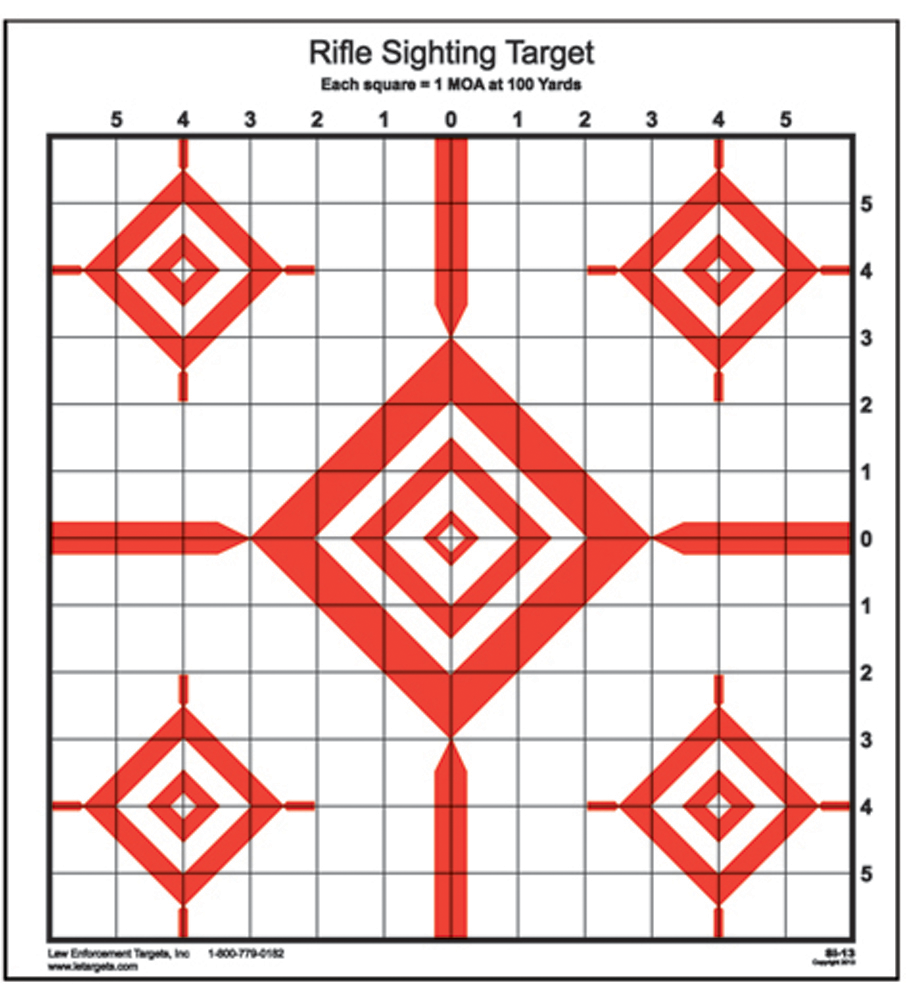
At 65mm objective and a 16-48x zoom range, this scope covers the two most common use cases for shooting: calling shots at 100-200 yards at an indoor or outdoor range, and spotting trace and impacts at 400-600 yards from field positions. It’s not a dedicated long-range precision scope for reading 1,000-yard splash – at 48x maximum the limits of the glass start to show at extreme distance – but for the vast majority of recreational shooters, hunters, and club competitors, it’s more than adequate.

The angled eyepiece body is the right choice for most users. It lets you observe from a more natural, less strained position when the scope is on a tripod at bench height, and it’s significantly more comfortable during long glassing sessions in the field. If you’re specifically planning to observe from a vehicle window mount or a very low position, a straight body would make more sense – but for general use, angled is the practical default.
The Glass – Where the Money Goes
The ED glass in the Diamondback HD is the feature that separates it from cheaper competitors and justifies paying more than a basic zoom spotting scope. Chromatic aberration – the color fringing you see on high-contrast edges at high magnification – is significantly reduced compared to standard glass. At 16-20x the image is sharp and color-accurate. At 30-35x you’re still getting a usable, clear picture in good light. At 48x in full daylight the image is workable but you’ll notice some softness at the edges and increased sensitivity to heat mirage.

For calling bullet holes at 100 yards on a paper target, even 20x is more than enough. For watching trace at 400+ yards, staying in the 25-35x range in good conditions gives you the best balance of magnification and image quality. Pushing to 48x is useful in ideal conditions but not always necessary.
The fully multi-coated lenses and XR anti-reflective coatings help with light transmission – the image is bright and usable in overcast conditions and in the late afternoon light that hunters know well. It’s not a premium twilight performer like a Swarovski or Leica, but it’s notably better than cheaper alternatives in low-light situations.
Build Quality and Weather Resistance
The Diamondback HD is O-ring sealed and argon-purged, which means it’s waterproof to a practical outdoor standard and won’t fog internally when you move between cold and warm environments. The rubber armor on the exterior protects against knocks and makes it easier to grip in wet conditions.
A few practical notes on the weather resistance: waterproof means rain, sleet, and splash – not submersion. The scope can handle a hard day of field use in rough weather without issue. If it goes underwater, that’s a different situation. And after use in rain or salt air, wipe it down and store it dry – basic maintenance that extends the life of any optical instrument significantly.

The focus wheel is smooth and well-weighted. The zoom collar turns through the magnification range without slop. At this price point the mechanical feel is genuinely good – better than you might expect from an entry-level scope.
One honest limitation: the included tripod adapter and the packaged tripod (if bundled) are typically adequate for stationary bench use but show their limits in field conditions with wind. A quality fluid head tripod is worth pairing with this scope if you’re doing serious spotting work.
How It Compares to the Competition
The $300-$450 spotting scope market has several legitimate options. Here’s how the Diamondback HD honestly fits.
Budget tier ($100-$250) – Celestron Regal M2 65ED / Gosky 20-60×80
Plenty of spotting scopes exist below $250 and some of them are serviceable for casual use. The Celestron Regal M2 65ED at around $200-230 is probably the most credible budget alternative – it uses ED glass and has a reasonable reputation in birding communities. For a shooter who just wants to confirm hits at 100 yards a few times a year, a budget scope gets the job done.
Where the Diamondback HD earns its premium: optical clarity at mid-to-high magnification, build quality that holds up to regular field use, and the Vortex VIP warranty. Budget scopes in this category often show their limitations quickly when you push magnification past 30x or use them regularly in varied weather conditions. If you’re buying once and using it seriously, the Diamondback HD is a more honest long-term investment.
Choose a budget scope if: you’ll use it a handful of times a year at 100-yard ranges and optical performance at high magnification isn’t a priority.
Same tier ($300-$450) – Athlon Ares G2 UHD 20-60×65 / Maven C.2 20-60×65
This is where the comparison gets more interesting. The Athlon Ares G2 UHD 20-60×65 at $350-400 is a direct competitor that deserves serious consideration. Athlon uses UHD glass with fluorite elements that genuinely challenge the Diamondback HD on optical performance – some side-by-side comparisons put the Aries G2 ahead on raw clarity and color accuracy at high magnification. Athlon’s lifetime warranty is also solid. The tradeoff is that Athlon has less brand recognition and fewer dealers than Vortex, which matters for warranty service access depending on where you live.
The Maven C.2 20-60×65 at around $375-425 is a direct-to-consumer option that punches well above its price in optical quality. Maven’s business model cuts out retail markup, meaning you get more glass per dollar than most competitors at this price. If you’re comfortable buying direct and the lack of a brick-and-mortar dealer doesn’t bother you, Maven is worth a serious look before you decide.
Choose the Diamondback HD if: you want the best combination of optical quality, build reliability, VIP warranty, and wide dealer availability in the $350-400 range.
Step-up ($500-$800) – Vortex Viper HD 20-60×65 / Nikon Prostaff 5 82mm
Spending $150-300 more brings you to the Vortex Viper HD – the natural step up within the Vortex lineup. The Viper HD uses premium HD glass and delivers a meaningfully better image at high magnification, particularly in lower light and at extended distances. The optical difference between the Diamondback HD and Viper HD is one of the most consistently praised step-ups in the Vortex lineup. If you’re serious about long-range spotting past 600 yards or you glasse for extended periods in hunting situations, the Viper HD is the scope to buy and use for the next decade.
The Nikon Prostaff 5 82mm at around $500-600 offers a larger 82mm objective for significantly better light gathering – a real advantage in low-light situations at dawn and dusk for hunters. The optical quality is competitive with the Viper HD class in good light. The larger objective adds weight and bulk, so it’s less practical for backpacking, but on a vehicle or fixed observation point the extra light is valuable.
Choose the step-up tier if: you’re regularly spotting past 600 yards, you spend significant time glassing in low-light hunting conditions, or optical performance has become the limiting factor in your current setup.
Premium ($1,000+) – Swarovski ATX 65 / Leica APO-Televid 65
Above $1,000, spotting scope glass enters a different universe. The Swarovski ATX and Leica APO-Televid deliver optical performance that experienced users describe as qualitatively different – not just incrementally better – than mid-tier glass. Colors are more true, edges are sharper to the extreme, and the image in marginal light conditions is notably clearer. For serious birders, wildlife researchers, and hunters who glass for hours every day in the field, the premium is justifiable and frequently justified.
For most shooters calling shots at a range or spotting game at hunting distances, the Swarovski premium buys more performance than the use case demands. It’s useful context for understanding where the Diamondback HD honestly sits – solidly mid-tier, capable for most practical applications, not trying to be something it isn’t.
Practical Setup and Use
The Diamondback HD weighs around 61 oz with eyepiece – substantial but manageable on a quality tripod. For range use, any decent camera tripod with a fluid head works well. For field hunting and glassing, a lighter carbon fiber tripod and a ball head with friction control makes packing and quick positioning easier.

Eye relief is generous enough for eyeglass wearers at most magnification settings – the adjustable eyecup twists out to accommodate glasses without vignetting at lower power settings. At 48x eyeglass wearers may lose some field of view at the edges, which is a common tradeoff at high magnification with any scope.
Focusing is fast and precise – one of the Diamondback HD’s better mechanical qualities. From a cold focus to a sharp image takes a couple of seconds once you know the general range of the focus wheel for your typical shooting distance.
The Bottom Line
The Vortex Diamondback HD 16-48x65mm is exactly what it appears to be: a well-built, optically capable entry-level HD spotting scope with the Vortex VIP warranty backing it up. It’s not going to show you things a Swarovski would, and the Athlon Ares G2 or Maven C.2 are genuine optical competitors worth pricing out before you decide. But for a shooter building their first serious setup, a hunter who needs a reliable field spotter, or anyone who wants to stop walking to the target – this scope delivers where it counts.
Street price runs $360-400 at most reputable retailers. Watch for bundles that include a tripod – they’re occasionally good value, though a dedicated quality tripod is worth the separate investment if you plan to use the scope seriously.
Quick Specs
| Spec | Detail |
|---|---|
| Magnification | 16-48x |
| Objective lens | 65 mm |
| Glass | ED (extra-low dispersion) elements, fully multi-coated |
| Body style | Angled eyepiece |
| Weatherproofing | O-ring sealed, argon-purged |
| Weight | ~61 oz (with eyepiece) |
| Warranty | Vortex VIP – lifetime, unconditional, transferable |
| Typical street price | $360-$400 |
How It Stacks Up Against Competitors
| Scope | Magnification | Price range | Best for |
|---|---|---|---|
| Celestron Regal M2 65ED | 16-48x | $200-$250 | Occasional use, tight budget |
| Athlon Ares G2 UHD 20-60×65 | 20-60x | $350-$400 | Strong optical alternative, UHD glass |
| Maven C.2 20-60×65 | 20-60x | $375-$425 | Direct-to-consumer value, premium glass per dollar |
| Vortex Diamondback HD 16-48×65 | 16-48x | $360-$400 | Best all-around value, ED glass, VIP warranty |
| Vortex Viper HD 20-60×65 | 20-60x | $550-$700 | Step-up glass, serious long-range spotting |
| Nikon Prostaff 5 82mm | 20-60x | $500-$600 | Low-light hunting, larger objective |
| Swarovski ATX 65 | 25-60x | $2,000+ | Premium field glass, best-in-class optics |
Frequently Asked Questions
Is the Vortex Diamondback HD 16-48×65 waterproof and fogproof?
Yes. The Diamondback HD is O-ring sealed to prevent water and dust ingress, and argon-purged internally to prevent fogging when you move between temperature extremes. In practical terms this means it handles rain, sleet, snow, and high humidity without internal fogging or water damage. It is not rated for submersion – waterproof here means weather-resistant to a high outdoor standard, not dive-proof. After use in rain or salt air, wipe the exterior down and store it somewhere dry to maintain the seals over time.
Angled vs. straight body – which should I choose?
For most shooters and hunters, angled is the right default. An angled eyepiece lets you observe from a more natural, relaxed position when the scope is on a tripod at bench or standing height – less neck strain over long sessions and easier to share with other observers at different heights. A straight body makes more sense if you’re primarily spotting from a vehicle window mount, a very low prone position, or if you’re new to spotting scopes and find straight-through viewing more intuitive. The Diamondback HD comes in both configurations; the angled version is the more commonly recommended choice.
What magnification should I use for calling shots at 100 yards vs. 500+ yards?
At 100 yards on a paper target, 16-20x is more than enough to see bullet holes clearly – you don’t need to push magnification at that distance. At 300-500 yards, 25-35x gives you a good balance of magnification and image stability. At 600-800 yards, 35-48x is useful in good light, though heat mirage can make very high magnification counterproductive on warm days – sometimes backing off to 30x gives you a clearer, steadier image than maxing out the zoom. The zoom range on the Diamondback HD covers all these scenarios comfortably.
What tripod should I pair with the Vortex Diamondback HD?
The scope is too heavy for a lightweight travel tripod to be stable, especially at high magnification where any movement is amplified. For range use, a mid-weight camera tripod with a fluid pan head – something like a Manfrotto 290 series or similar – works well and costs $100-150. For field hunting and backpacking where weight matters, a carbon fiber travel tripod paired with a quality ball head is worth the investment. The head matters as much as the legs – a cheap ball head with poor friction control will drive you crazy at 40x. Brands like Really Right Stuff, Jobu Design, and Sirui make heads that work well with spotting scopes at different price points.
How does the Diamondback HD compare to the Vortex Viper HD – is it worth paying more?

The Viper HD is a meaningful optical step up, and most users who go side-by-side notice it clearly at magnifications above 30x – sharper edges, better color rendering, and a cleaner image in lower light. If you’re spotting game regularly in low-light conditions at dawn and dusk, or calling shots past 600 yards on a regular basis, the Viper HD is worth the extra $150-300 and you’ll use it for a very long time without wanting to upgrade further. If you’re primarily using the scope at a range at 100-300 yards or on occasional hunting trips where long glassing sessions aren’t the norm, the Diamondback HD delivers everything you actually need and the optical difference won’t be your limiting factor.
Can I use the Diamondback HD for digiscoping or phone photography through the eyepiece?
Yes – the Diamondback HD is compatible with Vortex’s phone skirt adapter and similar universal digiscoping adapters. Results vary by phone camera quality and lighting conditions, but at moderate magnification (16-25x) in good light you can get usable photos and video of targets and wildlife. At higher magnification, heat mirage and image shake become more challenging. If digiscoping is a primary use case for you, a dedicated digiscoping adapter designed for the Diamondback HD eyepiece diameter gives better alignment and more consistent results than a generic phone clamp.




Comments are closed.