
Lead-Free Ammo: Real Talk 2026


In 2026, the conversation about cartridges and bullets isn’t about “what’s more accurate.” It’s about what you’re legally allowed to hunt with, what’s actually available in stores, and how many headaches you’ll endure trying to make a specific rifle work consistently with a specific bullet.
I live in California, and I’ve been through this – not from reading articles online, but from real experience in the field. Our requirement is simple and strict: since July 1, 2019, nonlead ammunition is mandatory when taking any wildlife with a firearm anywhere in the state. (California Wildlife) And this doesn’t just apply to “glamorous” big game hunting – it covers depredation, and much of what people typically consider varmint hunting, including ground squirrels on agricultural land – exactly where people used to shoot cheap lead most often. (UC Agriculture and Natural Resources)
California set the trend, and in 2026 it’s felt more broadly – more and more hunters even outside the state are voluntarily switching to copper because they like how the bullet performs on game, and because it simplifies logistics: one ammunition system for everything, including out-of-state trips.

But honestly – there are areas where this is genuinely frustrating. Especially varmint and coyote hunting. And that’s what I want to talk about without rose-colored glasses.
What’s Actually Prohibited – Brief, Without Legal Jargon
In California, “nonlead” doesn’t just mean “well, there’s less lead in it.” The regulations specify that a nonlead projectile must not contain more than 1% lead by weight (and must be certified/meet requirements). (Legal Information Institute)
Key practical takeaway:
- Any classic lead soft point, HP, V-Max, MatchKing, and similar bullets – not legal for hunting in California
- Many “premium” modern bonded bullets with excellent terminal performance (like Federal Terminal Ascent) – also don’t qualify for California because they still have a bonded lead core, even if it’s highly engineered (Federal Premium)
- For California hunting, you’re typically left with copper/brass monolithics and some other lead-free alternatives
My Personal Experience – Big Game and Varmint Are Two Different Worlds
Big Game – I’m Pro-Copper, Even Out of State
Here I can say directly: for big game, I support the switch to copper. Even when I hunt out of state, I often still bring copper. Why:
- I like the result on meat – fewer surprises, fewer “extra” fragments, easier processing
- I know my bullet’s behavior, no need to change my thinking for different ammunition
- It enforces discipline – you don’t shoot just to “bang away,” you choose angle, distance, and shot placement carefully
Yes, copper is usually more expensive. Yes, sometimes it’s finicky about feeding/velocities/tuning. But big game isn’t “plinking.” The cost of error is higher, and I’d rather spend time on setup and zeroing than regret it later.
Varmint + Coyote – Here I’m Frustrated
This is where the reality that irritates me begins. In varminting and coyote hunting, historically everything was built on a different foundation:
- Many shots per day
- Precise distances from 100-400 yards, sometimes more
- Cheap lead bullets, huge selection, consistent accuracy, predictable ballistics
- Barrels and twist rates optimized for specific bullets
And when you’re told “now copper only,” you don’t get philosophy – you get practical problems:
- Price – varmint hunting transforms from “skill training” into an expensive proposition
- Selection – for many calibers and bullet weights, the copper bullet selection is noticeably smaller
- Tuning – point of impact often changes, a rifle might “love” one copper bullet and hate another
- Logistics – sometimes it’s genuinely easier to sell one barrel and buy another than struggle for a year (I did exactly that with some of my rifles)
And here’s my internal conclusion:
- For big game, the arguments about “ecology/ethics/meat quality” sound convincing
- For varmint and coyote, it feels like you’re being restricted in your tool “for wildlife management,” where you specifically need volume, speed, and affordability
Why This Is Even Being Implemented – The Environmental Motive (Briefly)
The rationale for bans is usually explained as protecting wildlife from lead poisoning. California explicitly states: nonlead is mandatory when taking any wildlife with a firearm statewide. (California Wildlife) Environmental organizations support this, citing arguments about poisoning predators and scavengers. (Audubon)
You can debate the details, but the fact is: the rules already exist, and the hunter who wins in 2026 isn’t the one who “complains,” but the one who built their ammunition system around reality.
A Practical “Ammunition Map for 2026” – What’s Actually in Use
I’d divide everything into three major categories, because it’s easier to think this way.
1) Lead-Core Premium for Out of State (Where Legal)
These are cartridges and bullets that deliver excellent terminal performance at various distances but don’t meet California’s nonlead requirements.
Example – Federal Terminal Ascent:
- Bonded construction for deep penetration
- Slipstream polymer tip helps initiate expansion at lower velocities (Federal claims – up to 200 fps lower than comparable designs) (Federal Premium)
This is genuinely a strong concept for long distances and large animals – but, again, for California as a “universal hunting standard” it doesn’t work because of the lead.
2) Copper / Nonlead for California and “Universal Systems”
This is what California hunters live with, and what many out-of-state hunters are gradually switching to for practical reasons.
Example – Barnes LRX (Long-Range X):
- This is an all-copper bullet positioned as an option for long-range distances and hunting effectiveness at various ranges (Barnes Bullets)
- In “lead-free areas,” these bullets are directly marketed as a legal choice (Federal Premium)
This class of bullets most often becomes the “workhorse” for big game in California.
3) Specialized Solutions for Varmint and Predator Control in the Nonlead World
This is where the real pain is, because you want:
- High accuracy
- Fast, predictable fragmenting bullets
- Low cost per shot
And in the nonlead world, combining all of this is much harder.
Honest conclusion: in 2026, varmint hunting in California is either “expensive training,” or you shift to a different approach (less shooting, more position selection, more discipline), or you genuinely change caliber/barrel to something that works better with copper.
Why Copper Is “Finicky” – And Where It’s Actually Strong
Copper’s Strengths (And Why I Choose It for Big Game)
- High weight retention – the bullet typically doesn’t fragment like lead, giving predictable penetration
- Clean “one bullet – one shot” logic – fewer surprises during processing
- Legality in restricted areas – this eliminates half the headache of travel and planning
Downsides That Frustrate Me on Varmint and Coyote
- More expensive – and this hits exactly the “high-volume shooting” disciplines
- Often harder to find the “perfect” bullet for a specific barrel
- You don’t always get the same effect on small targets that you were used to with lead varmint bullets (especially if you were previously set up for very “explosive” bullets)
And here it’s important to be honest: not because “copper is bad,” but because varmint hunting was historically built around a different bullet type and different economics.
The Big Game Ammunition Landscape in 2026 – What Actually Works
Let’s break down what serious Western hunters are actually shooting for big game in 2026, organized by bullet type and application.
All-Copper Monolithics – The California Standard (And Beyond)
These are the bullets that California hunters must use, and that many out-of-state hunters choose voluntarily.
Barnes LRX (Long-Range X):
- All-copper construction with boat-tail design
- Designed specifically for long-range hunting effectiveness
- High weight retention (typically 95%+ of original bullet weight)
- Works well in lead-free areas and is widely available (Barnes Bullets)
Hornady CX (Copper alloy eXpanding):
- Hornady’s answer to the all-copper market
- Heat Shield tip for consistent BC and performance
- Optimized for modern cartridges like 6.5 PRC, 7mm PRC, etc.
- Generally feeds well and shoots accurately in most rifles
Nosler E-Tip:
- Energy Expansion Cavity for controlled expansion
- Boat-tail design for better long-range ballistics
- Solid reputation for deep penetration on elk and larger game
What these bullets do well:
- Predictable penetration – you know what you’re getting
- Clean wound channels – less meat damage from fragmentation
- Legal everywhere – no worrying about state-by-state rules
- Excellent performance on tough, heavy-boned animals
Where they struggle:
- Price – typically $2-4 per round for factory ammo vs. $1-2 for lead-core
- Velocity sensitivity – many copper bullets need higher impact velocities (typically 1,800+ fps) to expand reliably
- Barrel fouling – copper can foul barrels faster, requiring more frequent cleaning
- Tuning – some rifles are picky about which copper bullet they’ll shoot accurately
Lead-Core Premium – Still King Out of State (Where Legal)
For hunters outside California or hunting in states without lead restrictions, modern bonded lead-core bullets remain extremely effective.
Federal Terminal Ascent:

- Bonded lead core with Slipstream polymer tip
- Designed to expand reliably at lower impact velocities (down to 1,400 fps per Federal’s claims)
- Excellent long-range terminal performance
- High BC for wind-bucking ability (Federal Premium)
Nosler AccuBond and AccuBond LR:
- Bonded core prevents separation
- Proven track record on everything from deer to elk
- Wide selection of weights and calibers
- AccuBond LR version optimized for long-range with higher BC
Hornady ELD-X:
- Heat Shield tip maintains BC consistency
- InterLock ring for controlled expansion
- Excellent accuracy in most rifles
- Wide availability and reasonable price
Why these still matter in 2026:
- Lower cost than copper (typically 30-50% less)
- Proven terminal performance across a wide velocity range
- Easier to find accurate loads in most rifles
- Broader selection of bullet weights and styles
The honest trade-off:
- Not legal in California and some other jurisdictions
- More meat damage from fragmentation (though modern bonded bullets minimize this)
- Environmental concerns about lead in the ecosystem
Predator and Varmint Ammunition in 2026 – The Frustrating Reality
This is where the nonlead mandate creates the most friction, because varmint and predator hunting were historically built on cheap, accurate, explosive lead bullets.
The Old World (Lead) – What We’re Losing
Before nonlead requirements, varmint hunters had:
- Hornady V-Max – explosive expansion, extreme accuracy, affordable
- Sierra BlitzKing – similar performance, excellent BC
- Nosler Ballistic Tip Varmint – proven accuracy and terminal effect
- Berger Varmint – match-grade accuracy with hunting performance
These bullets cost $0.50-1.00 per round in factory ammo, shot accurately in almost any rifle, and delivered dramatic terminal effects on small targets.
The New World (Nonlead) – What We’re Working With
In California and other nonlead-required areas, varmint hunters now face:

Barnes Varmint Grenade:
- Frangible copper-tin composite
- Designed to fragment on impact
- Legal in lead-free areas
- Problem: Expensive ($2-3+ per round), limited availability, some rifles won’t shoot it accurately
Hornady NTX (Non-Toxic eXpanding):
- Polymer-tipped copper alloy bullet
- Designed for varmint and predator hunting
- Problem: Not as explosive as traditional varmint bullets, harder to find
Federal Premium Varmint & Predator (with Barnes bullets):
- Factory-loaded Barnes copper bullets optimized for varmint
- Problem: Price and availability
The honest reality for California varmint hunters in 2026:
- You’re paying 2-3x more per shot
- Selection is dramatically narrower
- Many rifles that shot lead varmint bullets beautifully won’t shoot copper accurately without rebarreling or extensive load development
- The “explosive” terminal effect that made varmint hunting efficient is harder to replicate
What I actually do:
- For ground squirrels and prairie dogs – I’ve switched to .17 HMR and .22 WMR rimfire where legal and practical (shorter range, but much cheaper and still effective)
- For coyotes – I use Barnes LRX or Hornady CX in .223 or 6.5 Creedmoor, accepting the higher cost as part of predator management
- For high-volume varmint work – I’ve honestly reduced my participation because the economics don’t make sense anymore
Coyote Hunting in 2026 – Finding the Middle Ground
Coyote hunting sits between big game and varmint – you want effectiveness, but you’re also shooting more volume than elk hunting.
What Works for Coyotes in Nonlead States
Barnes Varmint Grenade (if your rifle likes it):
- Designed to fragment dramatically
- Effective on coyotes at typical calling distances (50-200 yards)
- Legal in California
Hornady CX or Barnes TTSX in lighter weights:
- 55-62 grain in .223
- 85-95 grain in .243
- 120-130 grain in 6.5 Creedmoor
- These aren’t “explosive” varmint bullets, but they’re effective and legal
Federal Premium with Barnes bullets:
- Factory-loaded option that’s reliable
- More expensive but saves load development time
What I’d Recommend for Coyote Hunters in 2026
If you’re in California or another nonlead-required state:

- Build your system around one proven copper bullet in a caliber you shoot well
- Accept the higher cost as part of predator management
- Focus on shot placement and calling skills to reduce wasted shots
If you’re out of state with no restrictions:
- Traditional lead varmint bullets (Hornady V-Max, Sierra BlitzKing) still offer the best combination of price, accuracy, and terminal effect
- Consider switching to copper anyway if you hunt in multiple states – simplifies logistics
Where Faith Fits In – Briefly and Practically
I’m a person of faith, and I don’t view hunting as “killing for thrills.” In the Bible, there’s a concept that humans are given responsibility for the earth and the living world – essentially, management and stewardship. Hunting, especially pest control, is part of that management when done correctly: with respect, with discipline, without cruelty, and without waste.
And that’s exactly why it sometimes frustrates me when, under the banner of “ecology,” decisions are made that make population management more expensive and difficult – especially where we’re talking about varmint and predator control, which is direct protection of agriculture and balance.
This isn’t a call to “cancel everything.” It’s a call to make rules in a way that doesn’t break the hunter’s tool where he’s genuinely performing useful work.
Practical Ammunition Checklist for 2026 – How to Navigate the Nonlead World
Here’s how I’d frame it:
If you’re in California:
- Build your system around one or two proven nonlead solutions for big game, and a separate solution for predator/varmint (even if it’s a different caliber or rifle)
- The statewide nonlead law isn’t going anywhere (California Wildlife)
- Test multiple copper bullets in your rifle – what shoots well in one barrel might not in another
If you’re out of state:
- Still consider switching to copper for big game if meat quality and unified ammunition logistics matter to you
- Keep lead-core options for varmint and high-volume shooting where legal
- If you hunt in multiple states, check regulations before each trip
If your main passion is varmint hunting:
- Be prepared: either pay more, change your approach, or change your equipment
- Consider rimfire options (.17 HMR, .22 WMR) for high-volume small game where practical
- Focus on shot discipline and calling skills to reduce wasted ammunition
Big Game in 2026 – Best Bullet Types by Situation
Let me break this down by hunting scenario, not by brand loyalty.
Mountain Hunting (Sheep, Goat, High-Country Elk)
Priority: Light rifle weight, long-range capability, wind performance
Best bullet choice:
- High-BC copper monolithics (Barnes LRX, Hornady CX)
- Lighter bullet weights for flatter trajectory
- Cartridges: 6.5 PRC, 7mm PRC, .280 Ackley Improved
Why: You’re carrying the rifle all day, shots are often long and windy, and you need confidence in terminal performance at distance.
Timber Hunting (Elk, Moose in Heavy Cover)
Priority: Deep penetration, reliable expansion at close range, heavy bullets
Best bullet choice:
- Heavy-for-caliber copper monolithics (Barnes TSX/TTSX, Nosler E-Tip)
- Bonded lead-core if out of state (Federal Terminal Ascent, Nosler AccuBond)
- Cartridges: .300 Win Mag, .30-06, 7mm Rem Mag
Why: Shots are close (50-200 yards), angles are often poor, and you need a bullet that will punch through heavy bone and muscle.
General Western Hunting (Mule Deer, Antelope, Mixed Terrain)
Priority: Versatility, accuracy, manageable recoil
Best bullet choice:
- Mid-weight copper or bonded lead (140-160 grain in 6.5mm, 150-168 grain in 7mm)
- Hornady CX, Barnes TTSX, or Hornady ELD-X (if out of state)
- Cartridges: 6.5 Creedmoor, 6.5 PRC, .270 Winchester, 7mm-08
Why: You’re covering varied terrain, shots range from 100-400 yards, and you want one load that handles everything.
Whitetail in Agricultural Areas
Priority: Accuracy, minimal meat damage, legal compliance
Best bullet choice:
- Lighter copper bullets (120-140 grain in 6.5mm, 140-150 grain in 7mm)
- Controlled-expansion designs to minimize meat damage
- Cartridges: 6.5 Creedmoor, .308 Winchester, 7mm-08
Why: Shots are typically under 300 yards, you’re often shooting does for meat, and you want to maximize usable meat.
Common Mistakes When Switching to Copper
I’ve made these mistakes, and I’ve watched other hunters make them. Here’s what to avoid:
Mistake #1: Expecting Copper to Shoot Like Lead
The problem: You zero your rifle with lead bullets, switch to copper, and wonder why point of impact changed by 3-4 inches.
The fix: Copper bullets have different bearing surfaces and densities. Always re-zero when switching bullet types, and don’t assume your lead-core data transfers.
Mistake #2: Not Checking Minimum Impact Velocity
The problem: You shoot a copper bullet designed for 1,800+ fps impact velocity at a deer at 400 yards, and it pencils through without expanding.
The fix: Know your bullet’s minimum expansion velocity, run the ballistics, and limit your shots accordingly. This is especially critical with monolithics.
Mistake #3: Ignoring Barrel Fouling
The problem: Accuracy degrades after 20-30 rounds, and you can’t figure out why.
The fix: Copper fouls barrels faster than lead. Clean more frequently, and use a good copper solvent. Some shooters clean every 20 rounds with copper bullets vs. every 50-100 with lead.
Mistake #4: Buying the Cheapest Copper Bullet
The problem: You buy budget copper bullets to save money, and your rifle won’t shoot them accurately.
The fix: With copper, quality matters more than with lead. Stick with proven brands (Barnes, Hornady, Nosler) even if they cost more. A $3 bullet that shoots 1 MOA is cheaper than a $2 bullet that shoots 3 MOA.
Mistake #5: Not Adjusting Seating Depth
The problem: You seat copper bullets to the same COAL as lead bullets, and accuracy suffers.
The fix: Copper bullets are often longer for the same weight. You may need to seat them deeper or use a faster twist barrel. Check your magazine length and throat dimensions.
What to Buy First – If Budget Is Limited
If you’re building a nonlead ammunition system from scratch and money is tight, here’s the priority order:
Step 1: One Proven Big Game Load
- Pick one copper bullet in one weight for your primary big game rifle
- Barnes TTSX or Hornady CX are safe bets
- Buy 2-3 boxes, zero your rifle, and practice
Step 2: Verify Performance
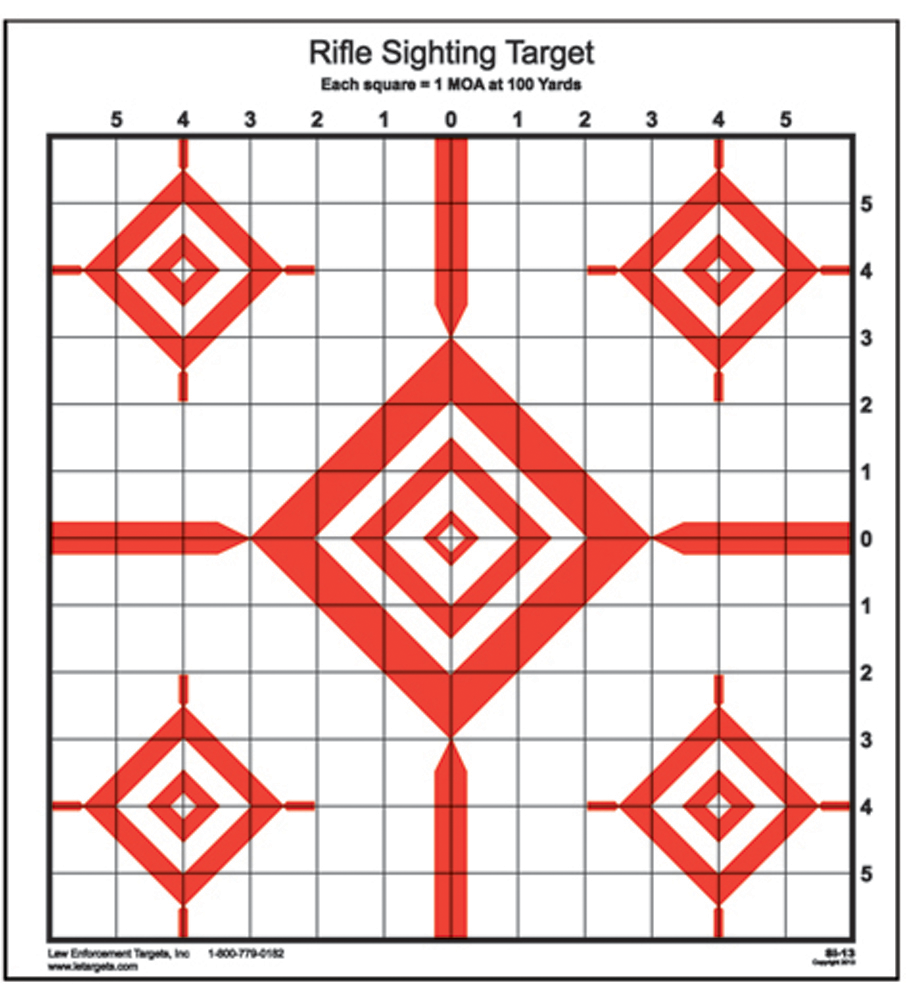
- Shoot groups at 100, 200, and 300 yards
- Confirm your zero holds across temperature changes
- Make sure the bullet feeds reliably from your magazine
Step 3: Build Inventory Slowly
- Once you’ve proven the load, buy ammunition in bulk when you find deals
- Copper ammo availability fluctuates – stock up when you can
Step 4: Add Predator/Varmint Options Later
- Only after your big game system is solid
- Consider rimfire options for high-volume varmint work to save money
The Bottom Line – Living with Nonlead in 2026
Here’s my honest assessment after years of hunting under California’s nonlead requirements:
For big game: The switch to copper has been positive. Better meat quality, predictable performance, and legal everywhere. I’d choose copper even if I didn’t have to.
For varmint and predator hunting: The switch has been frustrating. Higher costs, narrower selection, and more tuning headaches. I’ve adapted, but I’m not happy about it.
For the future: More states will likely adopt nonlead requirements. The hunters who win are the ones who build their systems now, learn what works in their rifles, and stop fighting the trend.
The practical reality: Nonlead ammunition works. It’s more expensive, sometimes finicky, and requires more attention to detail. But it’s not a dealbreaker for serious hunters who are willing to adapt.
My recommendation for 2026:
- If you’re in California or another nonlead state – embrace it, build your system, and move on
- If you’re out of state – consider switching to copper for big game anyway for the meat quality and logistics benefits
- If you’re primarily a varmint hunter – prepare for higher costs or consider shifting to rimfire for high-volume shooting
And remember: the “best” ammunition is the ammunition that’s legal where you hunt, shoots accurately in your rifle, and performs reliably on game. Everything else is just details.
Ammunition selection should always comply with local and state regulations. Always verify legality before purchasing. Practice extensively with your chosen ammunition before hunting. Know your effective range and hunt ethically within it.




Comments are closed.